



Chai Style Home: Layered, Lived In, and a Little Moody
Brookhaven designer mixes it up with antiques, nature, and a sense of history.
After 37 years with the Atlanta Journal-Constitution and now with the AJT, , Jaffe’s focus is lifestyle, art, dining, fashion, and community events with emphasis on Jewish movers and shakers.
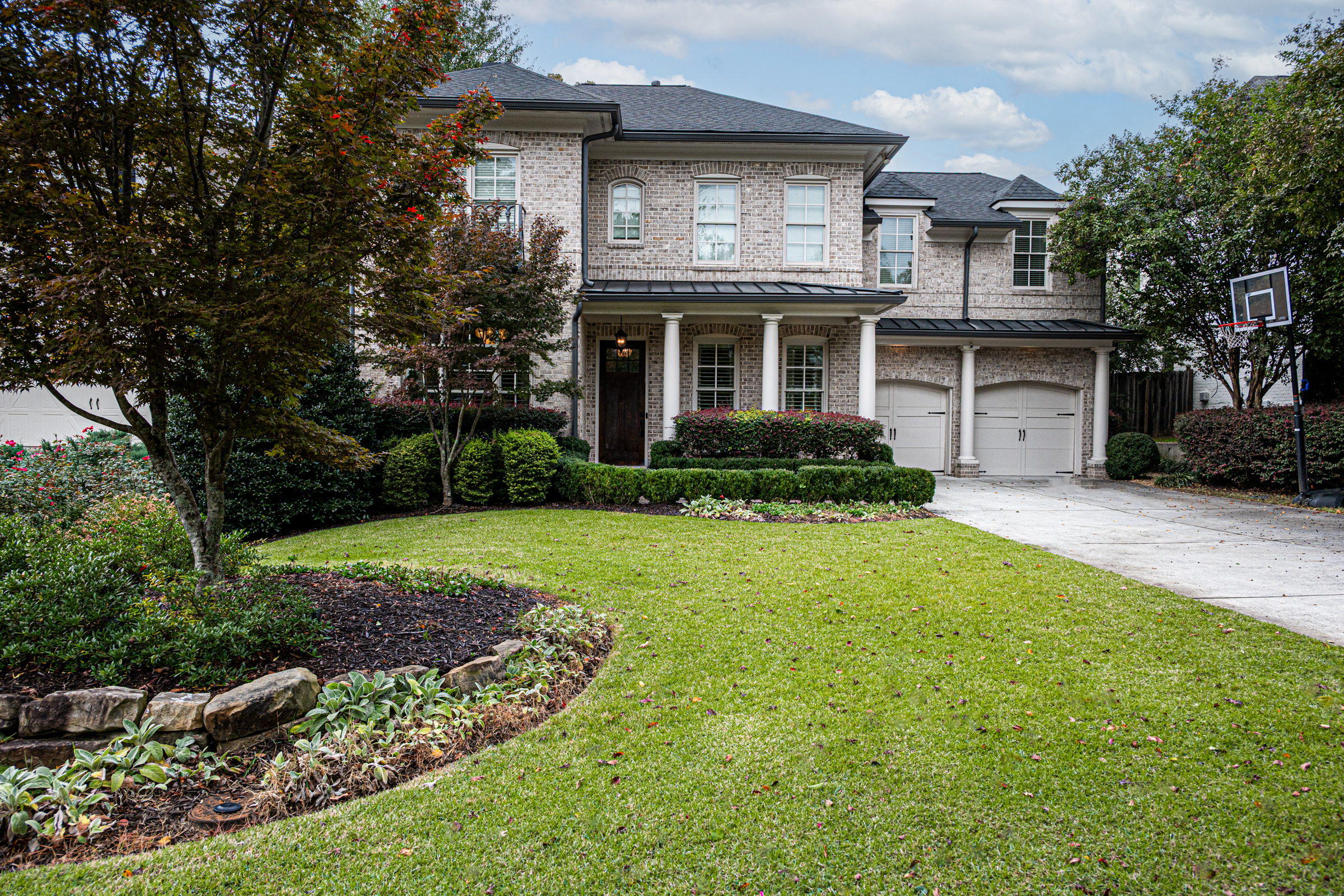
As owner and principal designer of Grant Drive Design, Liz Rosenzweig’s sweet spot is working with families who want their homes to feel beautiful, but also completely usable.

Here, she opens her Brookhaven family home in a style that transcends time periods. She explained, “I like mixing antiques and patina with more modern pieces, so rooms feel like they’ve evolved naturally over time.”
From her residential design studio, Rosenzweig creates homes for others that feel layered, lived-in, and deeply personal with spaces that balance comfort with character. In terms of her own home, she described, “Our home feels warm, layered, and a little moody. I wanted it to have that sense of history found in older homes — lots of texture, books, and art that feels collected. The palette is neutral with areas that lean earthy: olive greens, rust colors, ochres, and deep blues, with warm woods and brass. It feels cozy and inviting, but not too precious.”
Jaffe: How did you decide to go into designing?
Rozenzweig: After college, I wanted a more creative path. At the New England School of Art and Design (Suffolk University), I earned a master’s in interior architecture. My husband and I met in Chicago and settled here where our kids attend The Epstein School. Between family life, design projects, and dog, Bodhi, our days are full, but happy.
Jaffe: Describe your furnishings.
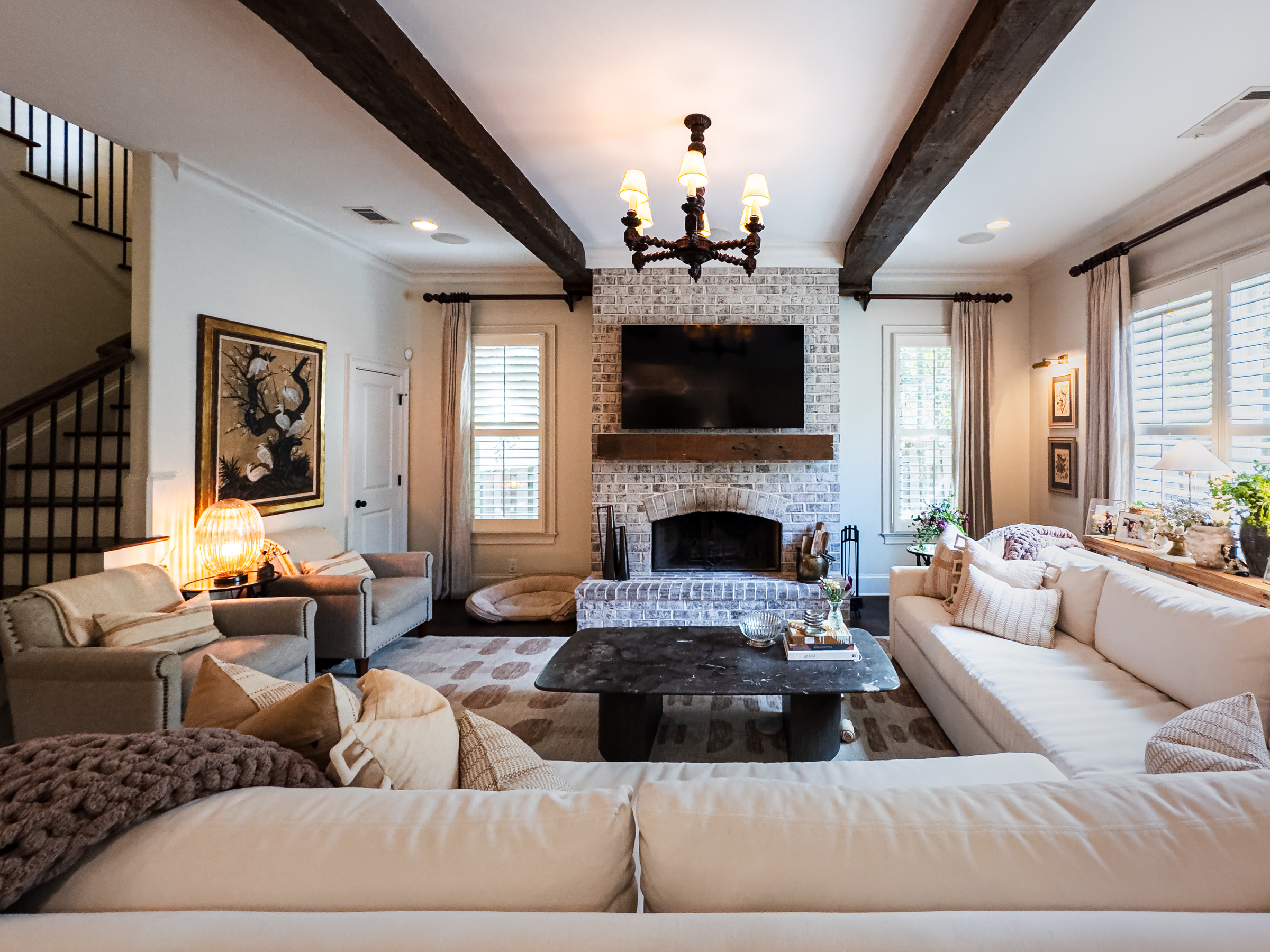
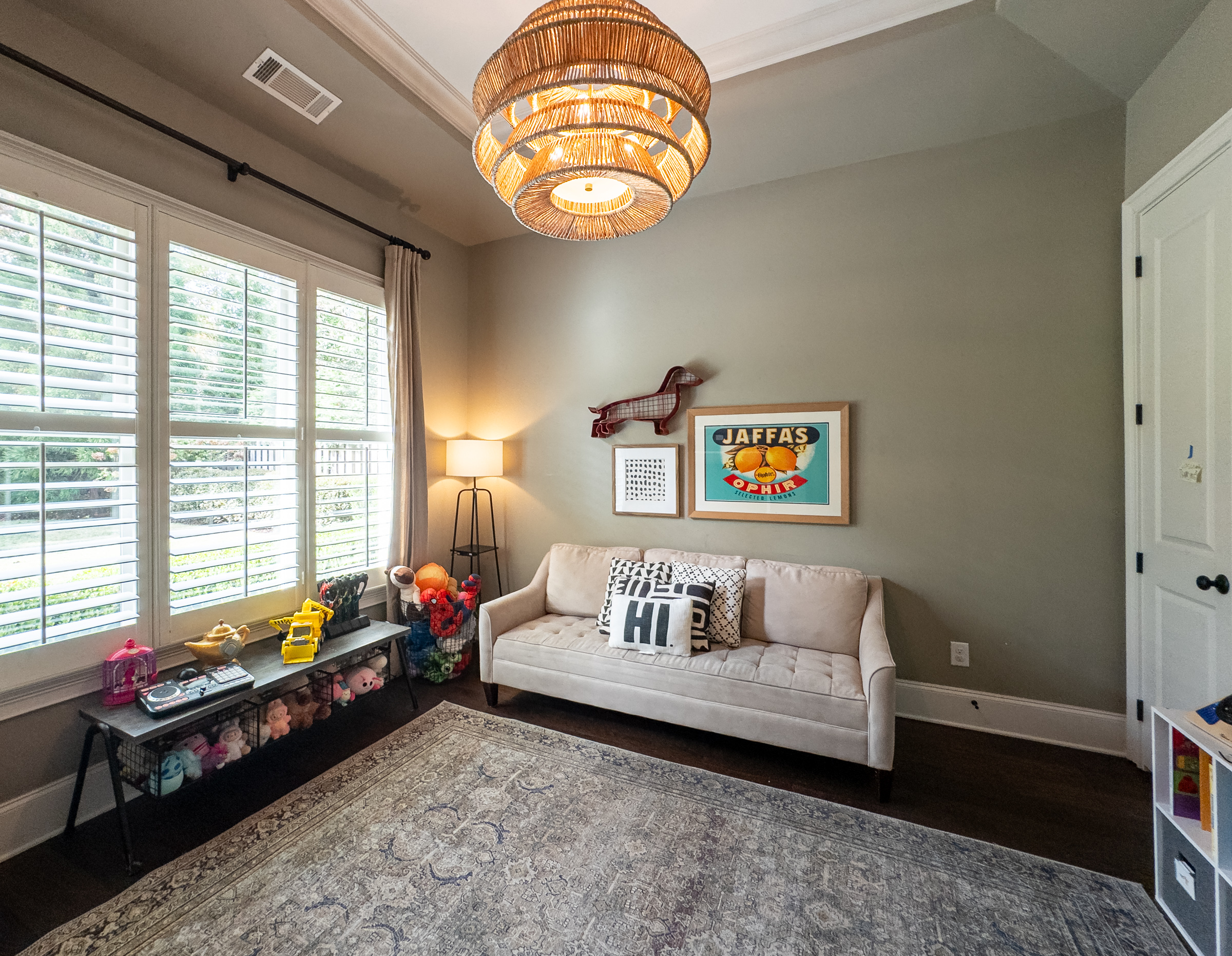
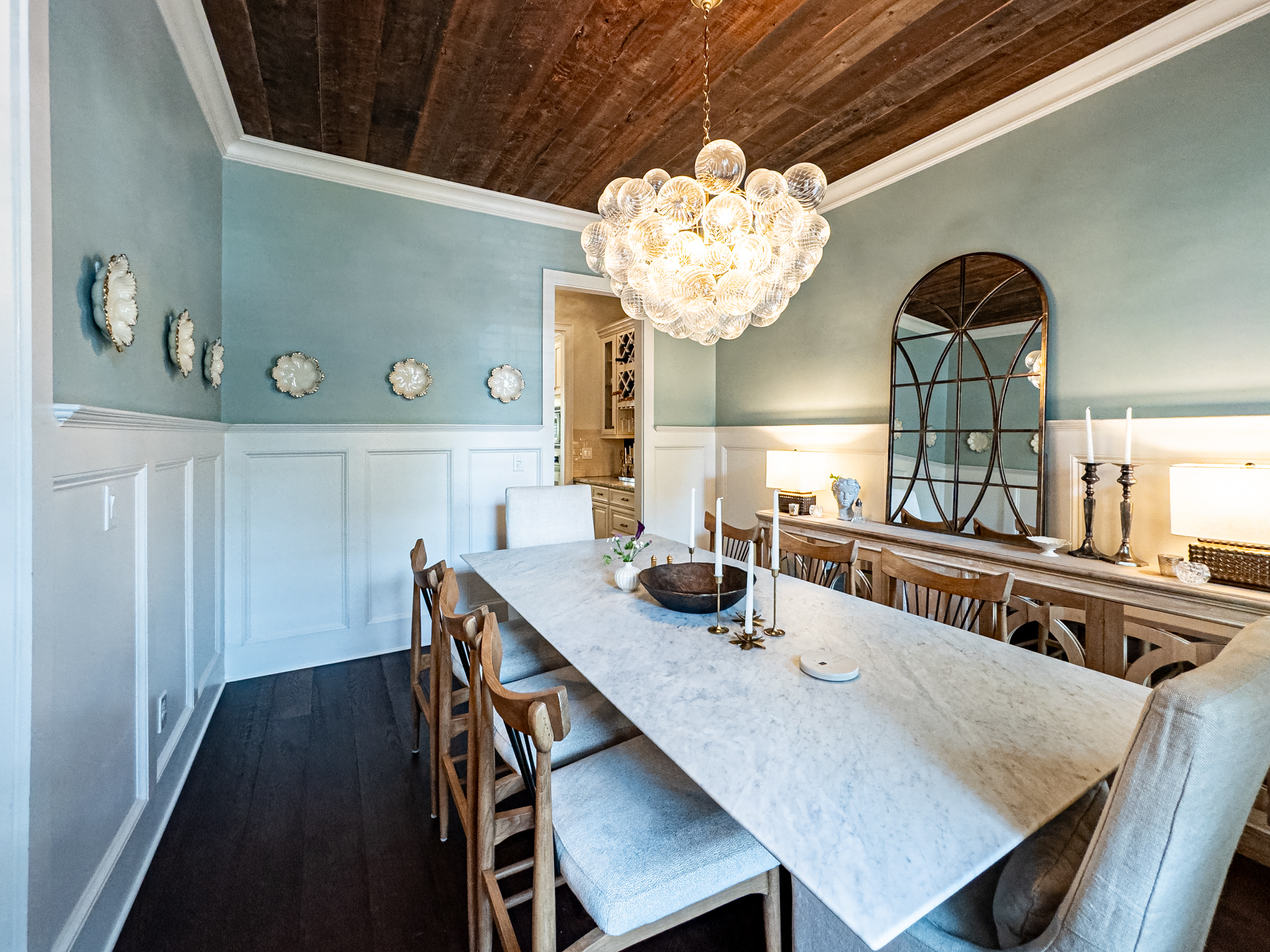
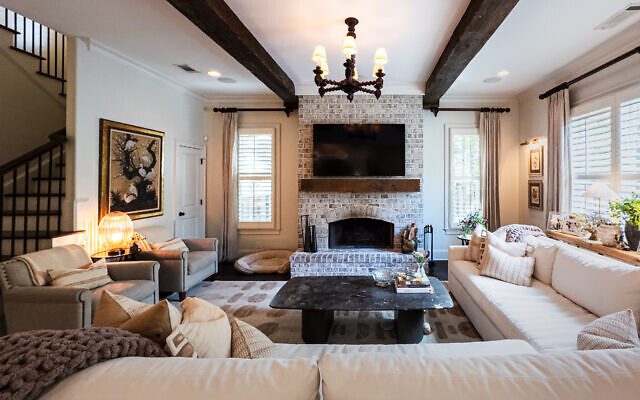
Rosenzweig: A mix — a light gray Chesterfield sofa, a large sectional for the family to pile onto together, and a few vintage pieces from markets, like an antique drop-leaf table in the kitchen and my daughter’s wrought iron bed refinished by my mom. We also have a marble dining table and a mix of modern and traditional silhouettes. I love anything with interesting lines or craftsmanship, like our canopy bed and a stone-topped coffee table that feels sculptural.
Jaffe: How did you select lighting?
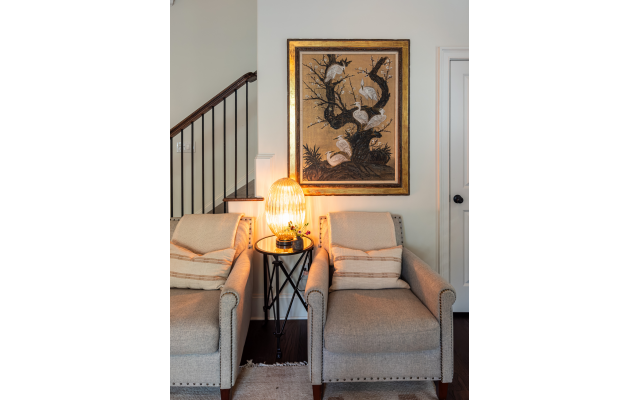
Rosenzweig: I’m drawn to warm brass and antique-inspired lighting, paired with linen shades with classic shapes mixed with antique pieces, like the barley twist chandelier in our living room. Lighting has a big impact on how a space feels. It’s also a great way to show personality.

Jaffe: How do flooring and cabinetry come together?
Rosenzweig: We recently redid all floors with a wide oak plank in a dark stain that feels timeless. It grounds the house and keeps everything cohesive. Most of our cabinetry is painted with classic door profiles, nothing too fussy, with aged brass or unlacquered hardware that gains character over time.
Jaffe: How do you approach collecting art?
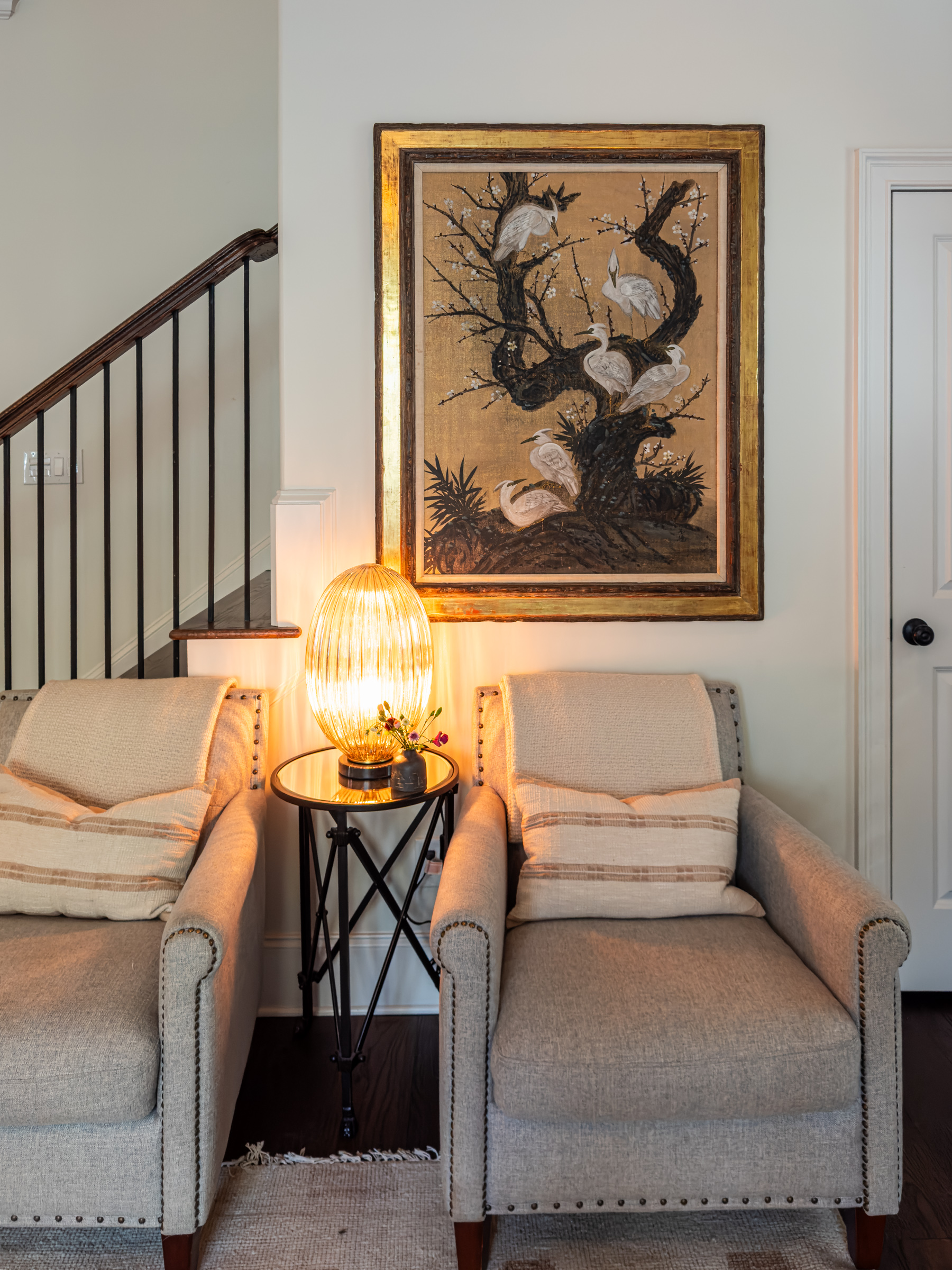
Rosenzweig: Slowly. Some special pieces from my grandmother combined with other vintage finds collected over time, pieces from local artists, and some from travels. I love when art tells a story. Even displaying kids’ pieces on the corkboard in the mudroom makes me smile.
Jaffe: You describe your palette as “moody.”
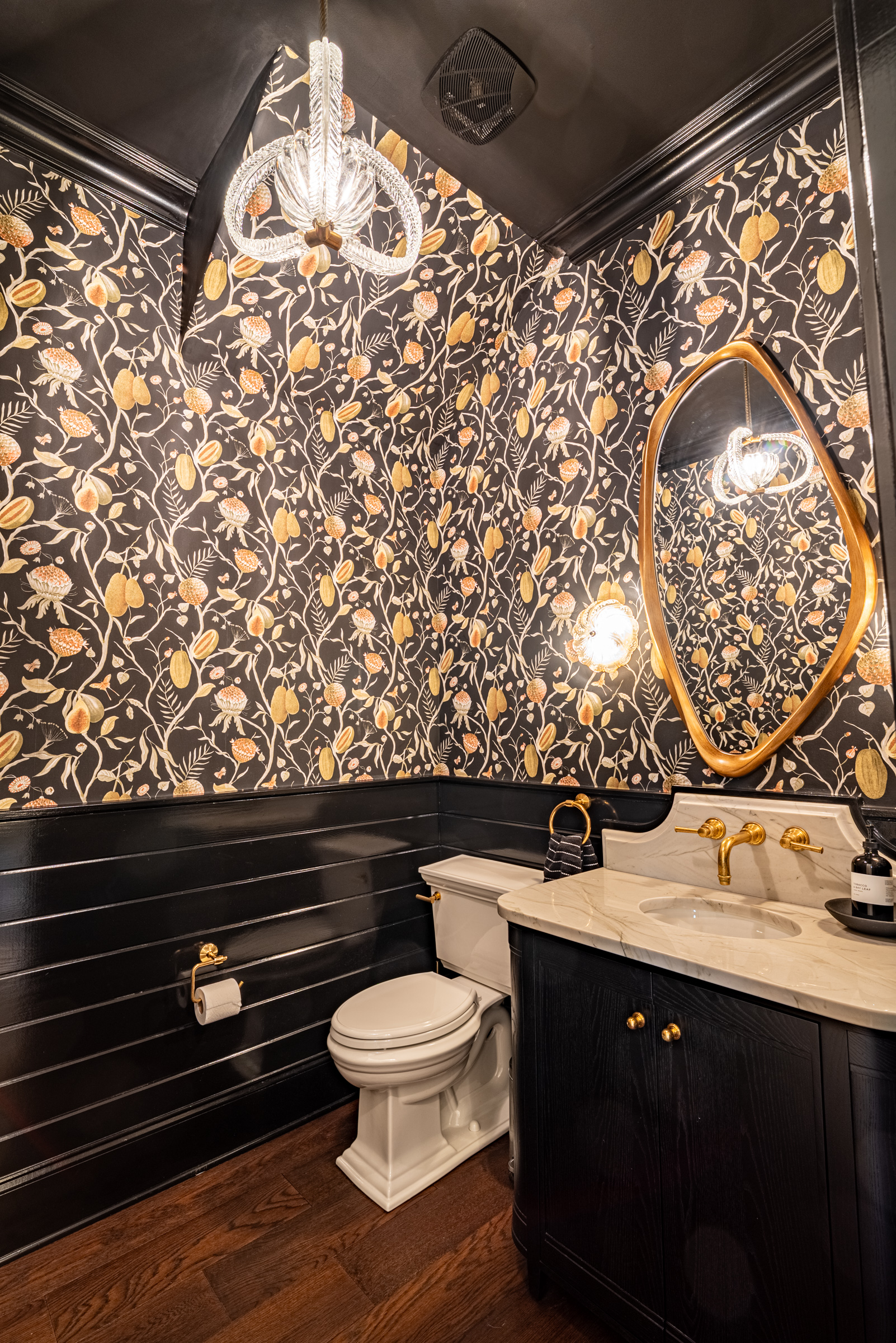
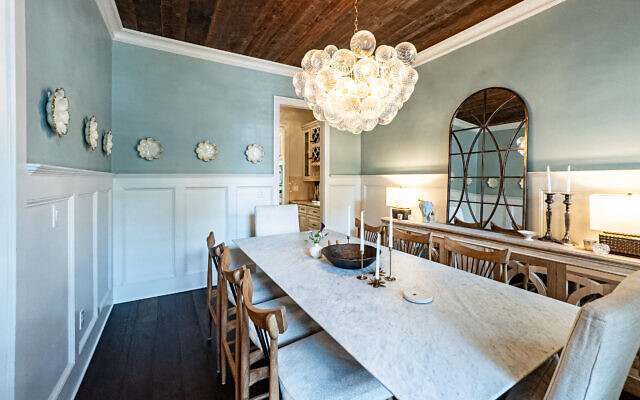
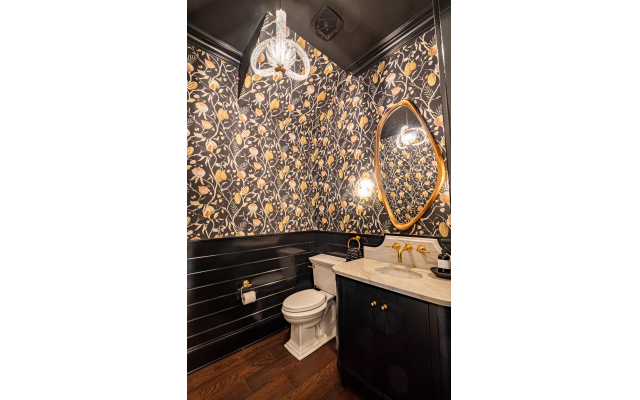
Rosenzweig: I used Benjamin Moore’s White Dove — my favorite white, Sherwin-Williams Thunderous and Silvermist, plus Tricorn Black in the powder room. I like color that feels cozy and livable.

Jaffe: The Lenox china is on the wall vs. table setting?
Rosenzweig: We use our dining room often for family dinners and hosting, but it’s not overly formal. For Shabbat, I test new recipes from a fun cookbook or something found online, but my “go-to” is roasted chicken, challah, and seasonal sides — simple but comforting. We light candles, everyone gathers, and it feels like a reset from the week.
Jaffe: Speaking of the kitchen …
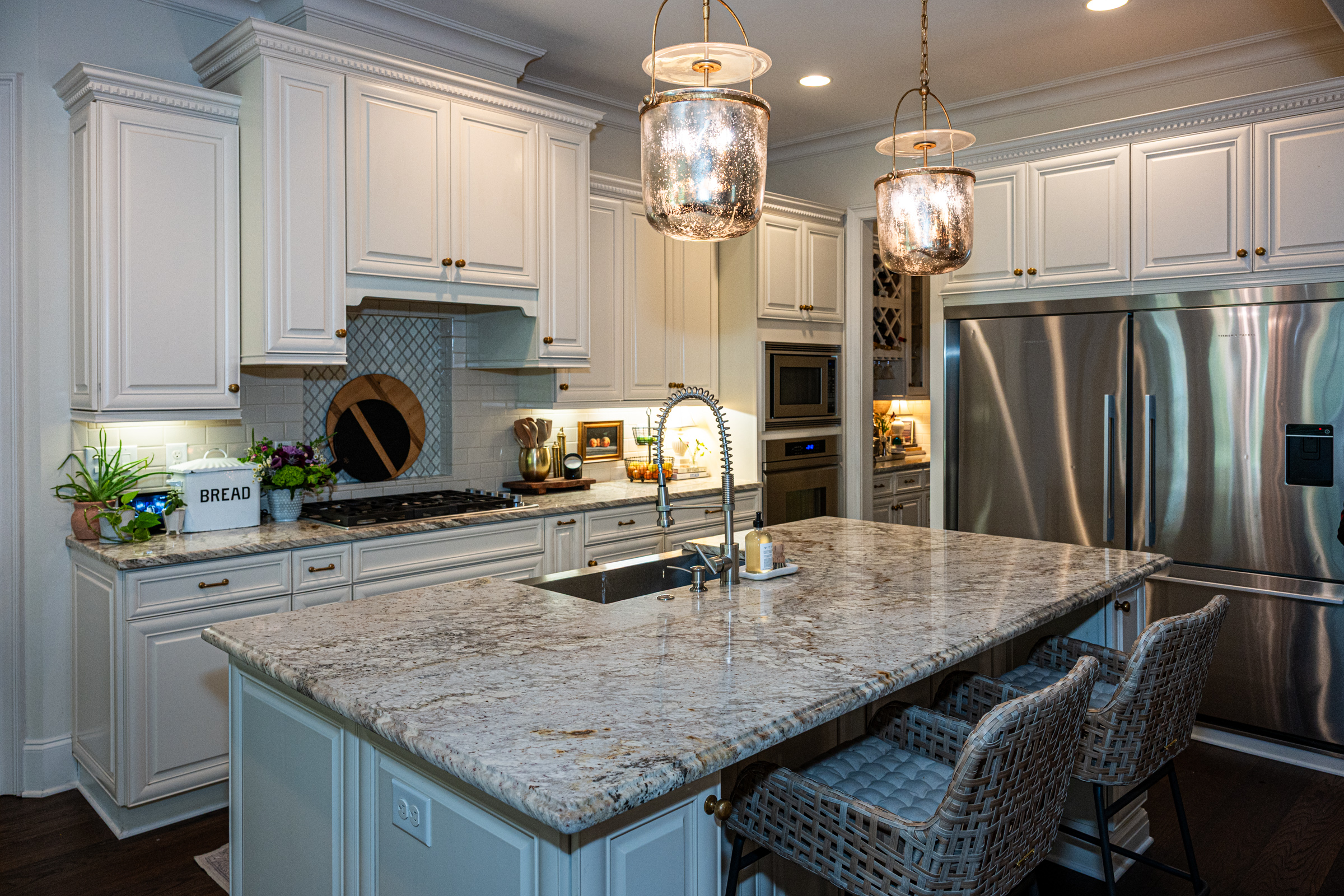
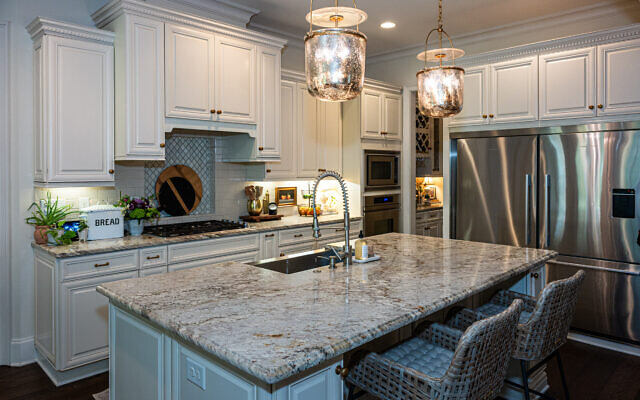
Rosenzweig: I chose deep drawers for pots and pans, a gigantic refrigerator, and a pull-out spice rack. Aesthetically, I keep a mix of vintage wood boards, ceramics, and a set of unlacquered brass salt and pepper grinders on the counters conveying warmth and function.
Jaffe: What are some whimsical elements?
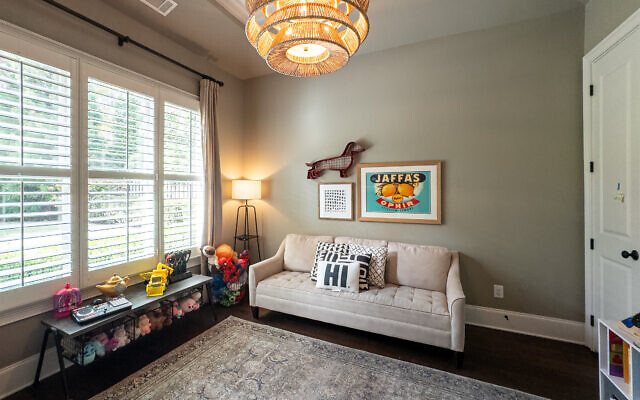
Rosenzweig: An organic-shaped mirror in the mudroom, an ochre-colored fabric with leopards on it on the mudroom bench, the vintage French chandelier in the powder room, as well as the vintage German sconces, are fun. The pink Cowtan & Tout throw pillows in my office add personality and something unexpected. I mix in quirky objects from travel or thrift shops that make the space feel less staged. The hallway is charming because of the artwork and my grandmother’s alabaster table lamps. It feels light and airy, not just a pass-through. I like when even the transitional spaces have personality.
Jaffe: Your office doubles as a mah jongg room and guest bedroom.
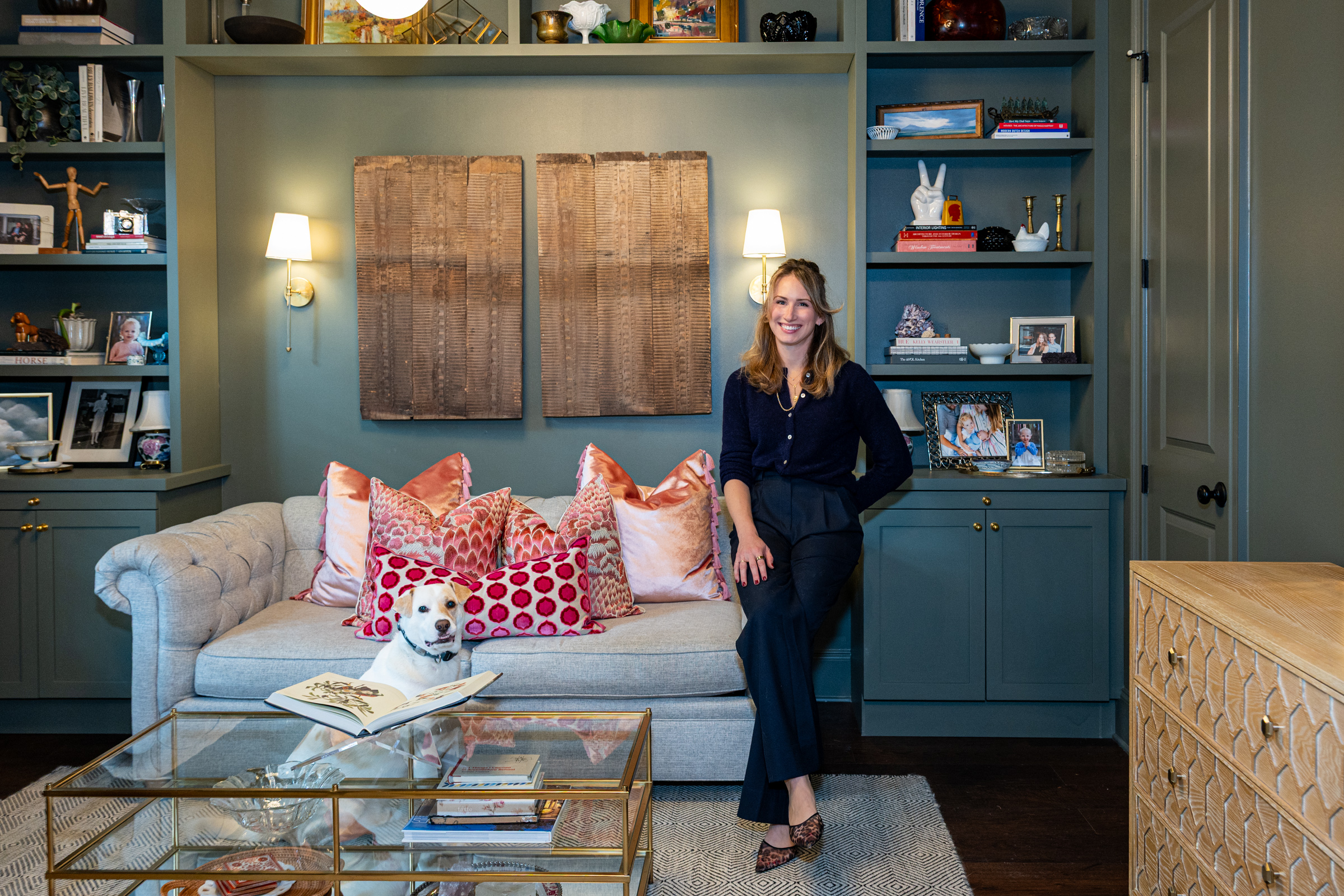
Rosenzweig: It has a light wood desk and dresser, a brass chandelier, and a gray sofa-pullout. I had it painted a dark green and added built-ins to display collections. I added sconces to flank Toraja panels. It’s definitely my cozy, creative zone.
Jaffe: What are some cool points in your kids’ rooms?
Rosenzweig: Sydney’s room has a pink desk painted by a millworker. She also has an antique wrought iron bed refinished in white with space for her dollhouse and books. For flexibility in Adrian’s room, we have open floor space for building and puzzles. His shelves hold his favorite car and book collections. Both rooms feel cheerful and personal without being overly themed.
Jaffe: The guest powder room is dramatic.
Rosenzweig: I used a black wallpaper with vines, flowers, and butterflies to pair with a curved vanity, custom marble top, backsplash, and brass fixtures. Powder rooms are my favorite spot to take a design risk.
Jaffe: What are some of the trends you’re seeing?
Rosenzweig: I’ve noticed a shift toward warmer, more personal spaces — fewer all-white kitchens, more color, texture and character. People want their homes to feel more collected and grounded. Smaller, cozier rooms are making a comeback with natural materials like plaster, stone, and wood.
Marcia: Last word.
Rosenzweig: Homes are less about perfection and more about creating spaces that feel lived-in and real.
comments