



Israel is in Midst of a Public Transit Revolution
On May 19, the new Samaria-Taybeh railway station was inaugurated by Prime Minister Benjamin Netanyahu and Transportation Minister Miri Regev.
While Atlanta Mayor Andre Dickens recently announced the construction of four new MARTA train stations at Murphy Crossing, Krog Street/Hulsey Yards, Joseph E. Boone Boulevard and Armour Yards, Israel is in the midst of a veritable public transit revolution.
On May 19, the new Samaria-Taybeh railway station was inaugurated by Prime Minister Benjamin Netanyahu and Transportation Minister Miri Regev in a festive ceremony marking the completion of years of construction work. The station, part of the 65-km-long Eastern Railway project connecting Lod to Hadera along Route 6 and bypassing Tel Aviv, is part of a vast national transportation and infrastructure program meant to modernize the country. A boon to commuters, the new line will connect communities in northern Samaria to central Israel and serve tens of thousands of passengers daily. Though not actually crossing into the West Bank, which Israel captured in the 1967 Six-Day War, the railroad will greatly improve access for many of the 500,000 Jewish residents of the disputed territory.
“There is immense news here for the citizens of Israel. First and foremost, we are reducing the traffic load on the coastal route,” declared the PM.
“We are enabling a parallel route [east of Tel Aviv]. You know exactly what this will do for the area between them and the area to their east, for all of our residents, all of our citizens – Jews and Arabs alike. This is a very significant change. It is going to bring a massive momentum of development and also separate the freight trains that are currently blocking the coastal railway. By bringing them here, you change the speed of transportation across the entire country.
“But we are also hitched, I would say, to the rail car of vision. The car of vision genuinely spans from Kiryat Shmona to Eilat. I want to add to that. There are very fast sections there, 250 [km/h], and I say: ultimately, there will be something additional. That is for down the line. First, we will handle this project; we will handle the next 10 to 20 years. But after that, an underground bullet train, from Karmiel to Be’er Sheva, in minutes. You will see what happens in this country. This country is developing tremendously. Everything we said we would do, including at the beginning of this term, and despite those who dismissed it and said, ‘It won’t happen.’ Of course, we also had a war, and we still do. We still face a very complex situation, even in these very days and hours. But we carried it out, you carried it out. And I believe the blessing and well-being this will provide to the citizens of Israel is immense.”
Transportation Minister Regev was equally ebullient: “There are those who create connections meant to divide, and there are those who create connections meant to build and advance the State of Israel. That is what you are doing, prime minister, and for that I thank you.”

Less dramatic but no less significant, on May 31, Petah Tikva’s obsolete Central Bus Station (CBS) was taken out of service after 69 years. The CBS on Ze’ev Orlov Street, which for decades served as the gateway to the city, will be demolished. Buses have been rerouted to modern terminals adjoining the city’s light rail, train, and future metro stations. The new transportation hubs replacing the old terminus were called “Suitable for the city of 2030 – and not for the 1950s.”
Not to be outdone, Jerusalem is being transformed by a visionary transportation plan including a skein of light rail lines, an extension of the high-speed railroad to Ben-Gurion Airport and Tel Aviv, new entrances to the city, integrated transportation centers, park-and-ride parking lots, a ring road, bridges, and bicycle paths. The infrastructure work is being carried out by Moriah Jerusalem Development Corporation, the municipality’s development arm established in 1987.
In a recent interview, Moriah’s CEO Gilad Bar-Adon explained the Jerusalem Municipality, the Ministry of Transportation, and the Ministry of Finance have mandated that until 2030, Moriah will serve as the construction arm of the Israeli government in the capital. With an unprecedented budget amounting to billions of shekels, and the possibility of a five-year extension, the government agency is fundamentally reshaping the face of the holy city.
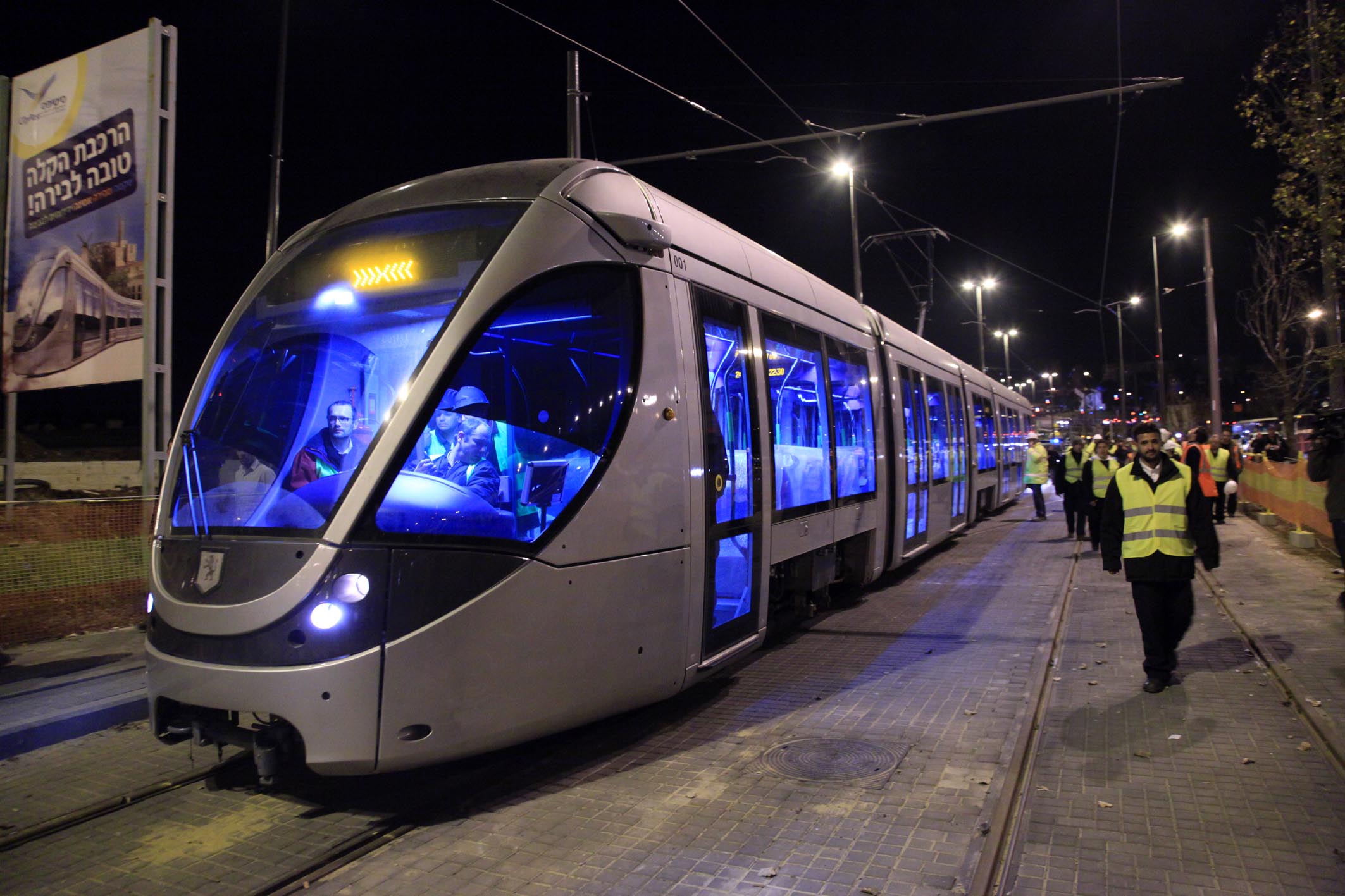
The most obvious of these achievements is the city’s Red Line light rail. The original section, measuring 13.9 kilometers (8.6 miles) long with 23 stops, went into service in 2011. Extensions to the north to Neve Yaakov and to the southwest to Hadassah Ein Kerem Hospital were completed in February 2025 extending the line’s length to 22.5 km (14.0 miles).
The second line of the network, while originally expected to begin operating in 2025 but delayed by the wars with Gaza and Iran, is now slated to begin service in phases in July. Since March, frustrated commuters have seen the shiny but empty carriages travelling on trial runs from the Navon Train Station to Teddy Stadium and the Malha Mall. The 19.6 km (12.2 mi) line, under construction since 2018, with link the two campuses of the Hebrew University of Jerusalem and will include 35 stops.
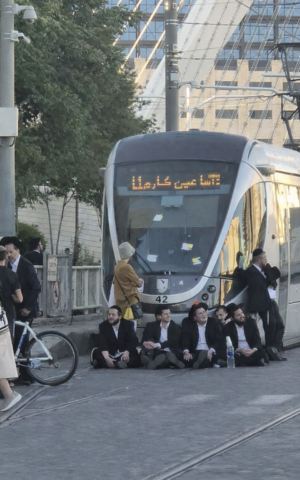
Apart from the delays caused by Mideast wars, construction of the Green Line has been plagued by violent haredi (Ultra-Orthodox) protests on Bar Ilan Street. While the light rail won’t operate on the Sabbath or Festival days, the protesters – mostly teens egged on by their rabbis – are opposed to men and women sitting together as the trams traverse their highly conservative neighborhoods. Demonstrators have caused heavy damage during the work and sabotaged construction equipment.
Compounding the construction chaos, much of key north-south streets forming the route of the Blue Line Jerusalem – including King George, Keren haYesod and Derekh Hebron – were torn up this spring as construction began in earnest on the city’s third light rail line. Traffic has been permanently rerouted in the city center; when completed sometime circa 2029, the 22 km (14 mile) route will link Gilo in the south to Ramot in the north. Downtown will largely be a pedestrian only zone.
Jerusalem’s new Central Train Station (and nuclear bomb shelter) is now under construction 90 meters below the surface at the junction of King George and Jaffa Road where the Red and Blue tram lines will cross.
Every Passover, Jews proclaim, “Next Year in Jerusalem Rebuilt.” But savvy real estate developers have put a marketing date on it – 2030.
Gil Zohar is a journalist and licensed tour guide in Jerusalem.
- Gil Zohar
- Israel
- Andre Dickens
- MARTA
- Samaria-Taybeh
- Benjamin Netanyahu
- Miri Regev
- Lod
- Hadera
- tel aviv
- Kiryat Shmona
- Eilat
- Karmiel
- Be'er Sheva
- Petah Tikva
- Ze’ev Orlov Street
- Ben Gurion Airport
- Moriah Jerusalem Development Corporation
- Gilad Bar-Adon
- Hadassah Ein Kerem Hospital
- Gaza
- Iran
- Navon Train Station
- Teddy stadium
- Malha Mall
- Hebrew University of Jerusalem
- Bar Ilan Street
- King George
- Keren Hayesod
- Derekh Hebron
- Gilo
- Ramot
- Jaffa Road
comments