



Marcus Foundation Gives Millions for Severe Autism
Multi-million-dollar grant to Atlanta’s Marcus Autism Center will support wide-ranging research into treating the condition.
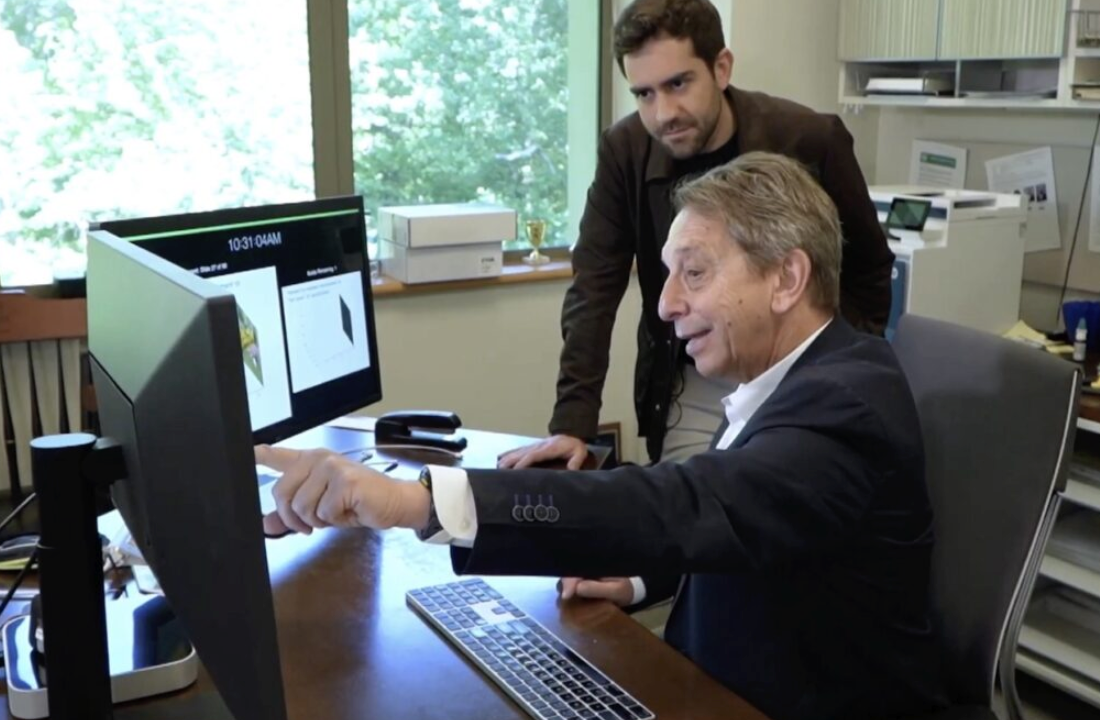
The Marcus Foundation has donated $21.9 million to the Marcus Autism Center in Atlanta to create one of the most ambitious studies ever undertaken to explore what causes severe autism in children and to help develop more effective treatment for the condition. The five-year research grant will provide treatment for 7,500 children from birth to 12 years of age.

It’s estimated that nearly 27 percent of all children diagnosed with autism spectrum disorder meet the criteria for profound autism. They may have an IQ of 50 or less, have difficulty with everyday living, like dressing and personal hygiene, and be prone to self-injury and aggression. It’s estimated that more than 600,000 children in this country have the condition, which usually means they require around-the-clock care by their family. The Marcus Center typically sees more than 5,000 children each year, making it one of the country’s largest research and treatment centers for autism.
The study is being undertaken with the support of Emory University School of Medicine’s Department of Human Genetics and the neuroimaging center established by a partnership between Georgia State University, Georgia Tech, and Emory. The research will incorporate neuroscience measuring tools to discover how to impact the key factors leading to profound autism.
The Marcus Center is a part of Children’s Healthcare of Atlanta, which will provide additional support through its mental health and neurosciences research programs.
The program is being run by Ami Klin, the Israeli-born director of the Marcus Center, whose parents survived the Holocaust before moving to Israel. He directs the work of the Marcus Center, which is one of the nation’s most important treatment centers for autism. The late Bernie Marcus, who had a deep interest in how autism could be treated, recruited Dr. Klin over 15 years ago from Yale University where he was regarded as one of the world’s leading researchers in autism. According to Dr. Klin, the large grant will have a significant effect on the expansion of his work at the autism center.
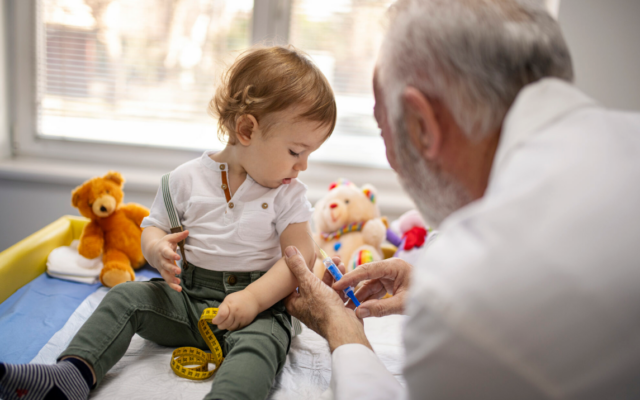
“The goal is to enable precision medicine interventions that will accelerate learning, make symptoms less severe, and improve response to treatment in children with profound autism, and possibly even prevent profound disability from emerging in the first place,” he said.

The use of precision medicine in the treatment of autism is part of the rapidly growing trend to develop treatments that are uniquely created for a specific patient, often using information developed from a child’s genetic makeup. Targeting treatments in this way helps to position this research on the cutting edge of medical science and may eventually lead to therapies that could potentially prevent profound disabilities from ever occurring.
“If successful, our research could usher in a new era of behavior-brain-genomic precision medicine,” Dr, Klin said, “to optimize outcomes of children in a community that cannot wait.”
Researchers hope to explore therapies that might be applied earlier in a child’s life, as early as six months after birth. Early diagnosis can help to improve a child’s communication skills and create better social skills that might lead great independence and self-reliance.
Children with profound autism can generally expect to have a significantly shorter life span than the general population. Some research suggests that the average life expectancy for those with severe autism, which can be accompanied by chronic health conditions such as feeding and eating problems, epilepsy, and sleep issues, mean that those with severe cases may die as early as 39 years of age.
“Most treatments we have right now are behaviorally based,” Dr. Klin said. “By studying profound autism at multiple levels — in behavior, brain networks, and basic biology — one of the key goals is to identify new biological targets for drugs and other therapies: to support learning and adaptability, to make symptoms less severe, and to promote better quality of life for children and families affected by profound autism.”
The new program is thought to be the largest scientific program ever undertaken to study profound autism in children, to predict its course in a child’s life and to develop treatments that are targeted to the individual. Led by Dr. Klin, researchers at Marcus Autism Center will study children from birth, before symptoms emerge, as well as before and after treatment is delivered.
“We hope to generate a moonshot factory of solutions for a community that carries the most severe symptoms of autism and has been underrepresented in autism research.”
comments