



Coming Off GLP-1: Does the Magic End?
Dietitian Cheryl Orlansky overviews the 10 to 20 percent weight loss medication “tool” and the possibility of moving forward on reduced dosages.
After 37 years with the Atlanta Journal-Constitution and now with the AJT, , Jaffe’s focus is lifestyle, art, dining, fashion, and community events with emphasis on Jewish movers and shakers.
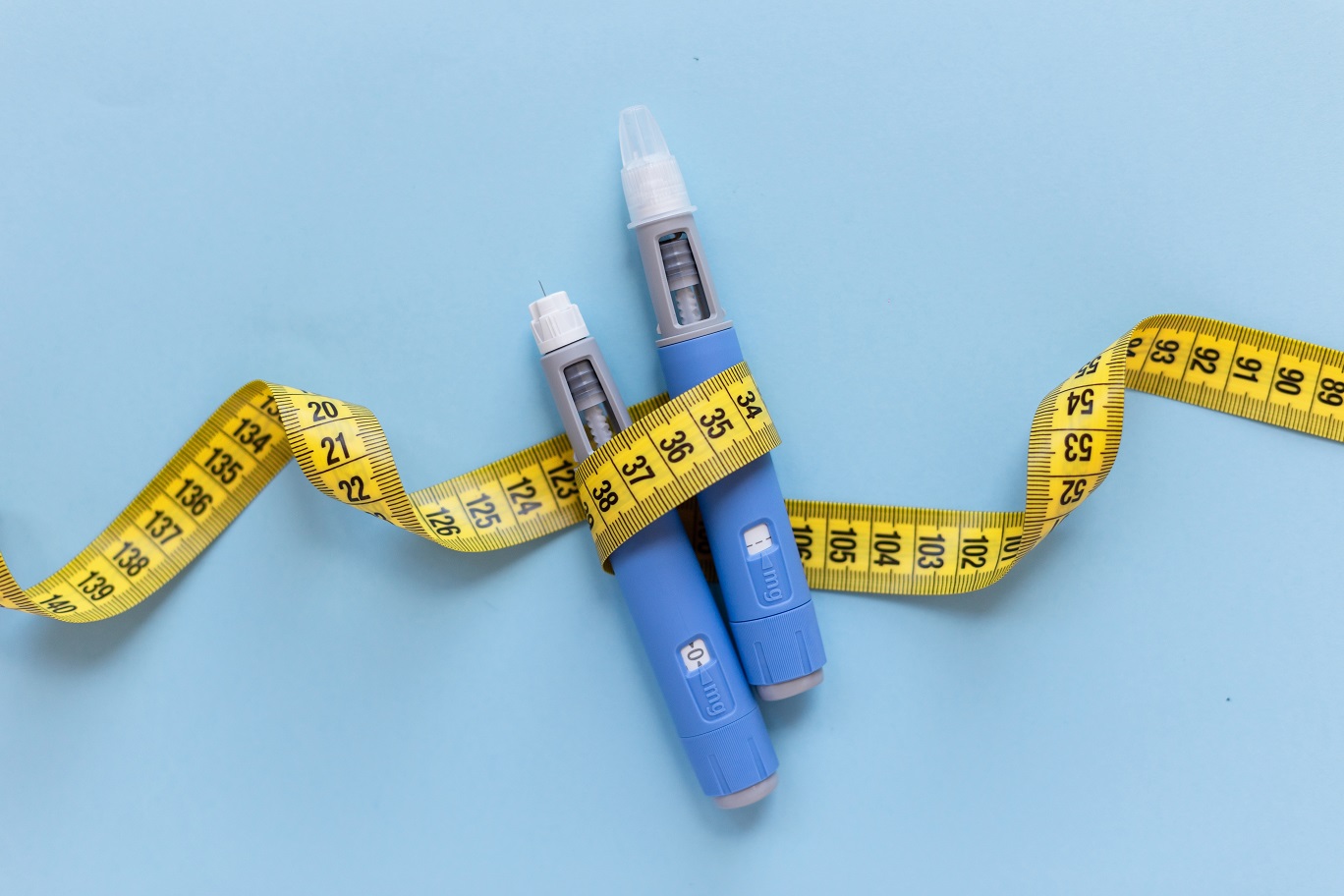
Scientists are fervently studying how the GLP-1 class of fairly well tolerated weight loss drugs has affected public health, how to stay on them, and what happens when the dosage is tapered and ultimately terminated? Dietitians concur that it is a tool and not magic. Common GLP-1 medications are Zepbound and Wegovy.
Registered dietitian Cheryl Orlansky “weighs” in on her approach to a healthy off ramp. She related, “We still have so much to learn in long-term maintenance of weight loss with GLP0-1s. We are seeing 10 to 20 percent weight loss with GLP-1s. But we’ve seen substantial weight gain when stopping the medication. There is potential for slowing the rate and amount of weight gain. We use a personalized approach to help maintain weight after stopping the medication. It may be that we use a smaller dose and less frequent timing to help people keep the weight off. Counseling remains the same, but we may need a more intensive approach.”
According to The Guardian (May 15, 2025), clinical trials and reviews show that a large fraction of weight loss tends to return within a year of cessation. Thus, what if the treatment is long term or lasts a lifetime for many to maintain results? The long-term data past two to three years is not yet documented.
Compared to meds previous to GLP-1, Orlansky said, “These agonists have been a game changer used as a tool and adjunct for lifestyle measures as they mimic a hormone naturally produced in the body called GLP-1 that slows digestion and helps regulate appetite. GLP-1/GIP agonists also mimic the hormone GIP which plays a role in insulin production and cholesterol metabolism. Overall, these medications promote weight loss by decreasing appetite and making it easier to eat a lower calorie diet (no hunger or “food noise”) for sustainable weight loss.”
Historically, GLP-1s were used in people with diabetes starting with twice daily injections of Byetta in 2005. Victoza was approved in 2010 in a once daily injection to reduce blood sugars and control A1C still in people with Type 2 diabetes.

These medications worked well to manage blood sugars and observers saw the weight loss side since many people with Type 2 diabetes may also be overweight or obese. Tirzepatide and semaglutide are now indicated for people who need to lose weight, but don’t necessarily have prediabetes or diabetes.

Orlansky sees some trends toward smaller portion sizes in restaurants, more protein-rich meals and snacks, and reduced alcohol consumption, since these medications reduce cravings for alcohol as well. Orlansky added, “We may be seeing a reduced consumption of ultra-processed snacks and sugary beverages which would be a huge win for society.”
Healthcare and public health policy is moving toward labeling obesity as a chronic disease like hypertension or hyperlipidemia. Orlansky shared, “We are not using the term ‘will power’ or ‘just cut back on calories and increase your metabolic burn.’ We know that there are many factors that play a role in overweight and obesity.”
Many health organizations recommend GLP-1s as a first-line treatment in diabetes and obesity. This could help insurers and employers with cost. Weight Watchers has added GLP-1 telehealth.
Orlansky concluded, “Stopping the medication will cause weight regain. We need a gradual approach. We are slowly moving people toward their starting dose and decreasing the frequency of the injections.”
Her counseling remains the same with individualized variations. Diets should be varied, fiber rich, with plant or animal protein at each meal, and she recommends the Mediterranean, plant forward diet as a good framework.
Orlansky is a registered, licensed dietitian nutritionist and certified diabetes care/education specialist. She worked as a contractor for Centers for Disease Control and Prevention in weight management for their employees. She then started the Nutrition and Diabetes Program at Laureate Medical Group, a multidiscipline physician practice part of the Northside Hospital Network. Currently, she counsels patients using telemed for conditions including GI, diabetes, and weight management.
For more information, please email orlanskynutrition@gmail.com.
comments