



Winship, Israel Clinicians Work Together for Research
The collaborative at Winship Cancer Institute of Emory University are researching several types of cancers.
Robyn Spizman Gerson is a New York Times best-selling author of many books, including “When Words Matter Most.” She is also a communications professional and well-known media personality, having appeared often locally on “Atlanta and Company” and nationally on NBC’s “Today” show. For more information go to www.robynspizman.com.
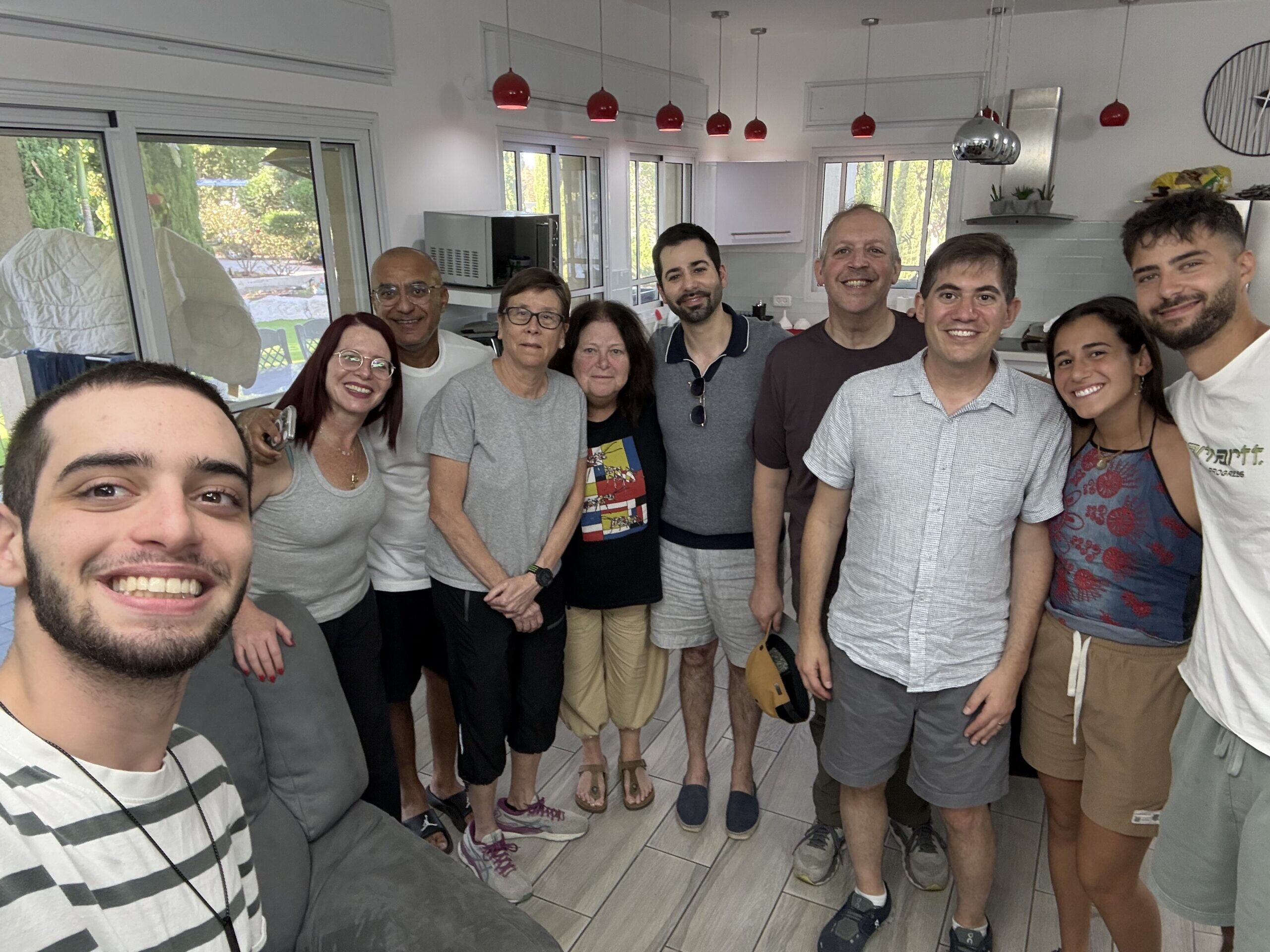
On March 18, Winship Cancer Institute of Emory University hosted a virtual update on its international collaboration between clinician researchers in Atlanta and colleagues at multiple clinical sites in Israel. This conversation, led by Dr. Jonathon Cohen, co-director of Winship’s lymphoma program and collaborative lead, was designed for valued supporters and community partners who share the commitment of advancing global cancer research.

During the update, participants heard about the progress of collaborative efforts in Israel, scientific breakthroughs emerging from these partnerships, and the meaningful impact philanthropic investment is making across borders. Program momentum has been accelerated by investment from the Arthur M. Blank Family Foundation (AMBFF) which is generously matching all individual gifts to the project.
This effort initially began in the summer of 2023, when Dr. Cohen traveled with three additional physicians to Israel and focused on hematologic cancers including lymphoma, leukemia, and myeloma. Since then, interest on both sides of the collaboration has increased. They now have multiple Winship faculty members signed up, ranging in expertise from hematology to dermatologic oncology, and solid tumor oncology. The progress is purposeful and productive for embracing the ground-breaking treatment protocols in Israel and learning from them.
According to Dr. Cohen, “One thing we can lean on … is that we expanded to include two additional sites (Hadassah and Soroka). We are growing beyond just hematology to now including skin cancers. Additionally, we are planning for this year’s trip and have a growing group. We have included Winship researchers who are Jewish and some who are not, some first-timers in Israel. This has allowed us to introduce the country to new people while expanding the overall impact of cancer research being done at Winship and in Israel. We will be hosting an Israeli researcher for two years from Hadassah starting in September to pursue specialized training in cellular therapies within a Winship laboratory.”
Dr. Cohen, added, “This grant by AMBFF matches 1:1 any funds that we raise in support of this program. Additionally, the funds are being used to support training of Israeli physicians at Winship so that they can bring these skills back to Israel and improve care there. This type of initiative would not be feasible without support of these donations and the Blank Foundation.”
Dr. Cohen continued, “In my experience in cancer research, these types of collaborations are always more fruitful than anything we can do at one center and the likelihood of significant advances in cancer care in both countries because of this work is very high.”

Regarding Winship and Israel’s researchers working together, Dr. Cohen shared how this is a natural collaboration. Much of the cellular therapy work that Winship is engaged in at present is based on technology that initiated in Israel. He added, “Israeli researchers are at the forefront of investigating newer immunotherapies that have a high likelihood of impacting cancer care in the coming years. Winship’s expertise in cellular and immunotherapy and our experience in conducting large, highly impactful clinical trials across a variety of diseases pair nicely with much of the work being done there. Personally, I have met several Israeli colleagues who share my interest in investigating new therapies and improving outcomes for patients with lymphoma, and I look forward to building upon work that has been initiated since our first visit.”
Among the many active projects, Dr. Cohen’s lymphoma team at Winship is collaborating with Israeli researchers to evaluate outcomes in lymphoma involving the central nervous system as well as peripheral T-cell lymphoma. These are two uncommon disease types where collaboration across cancer centers is critical to answering the key questions faced by physicians.
Dr. Cohen shared, “We are looking forward to bringing teams over to Atlanta and get to know the Jewish community in Atlanta and we look to the future of this collaboration on the horizon.”
Dr. Cohen added, “Cancer research requires a team approach if you are going to move the needle in a meaningful way, and anytime you can collaborate with smart, highly motivated colleagues, it benefits everyone.” As this collaboration grows, they are hoping there will be opportunities to compete for research grants, complete clinical trials of new therapies, and exchange trainees to make the most of the expertise available at both sites.”
With important matching grants like this one from the AMBFF, sharing research could impact the future of cancer and blood disorders. This meaningful alliance of experts is the key to ongoing innovation in the management of blood cancers and all cancers. For more information on how you may make a gift to support this work, please contact Jennifer Morton in Winship Cancer Institute’s development office at 404-310-8942 or jennifer.morton@emory.edu.
comments