



Are More Resources Needed for Jewish Divorces?
Lawyers, therapists, and clergy rally for positive programming to navigate divorce.
After 37 years with the Atlanta Journal-Constitution and now with the AJT, , Jaffe’s focus is lifestyle, art, dining, fashion, and community events with emphasis on Jewish movers and shakers.
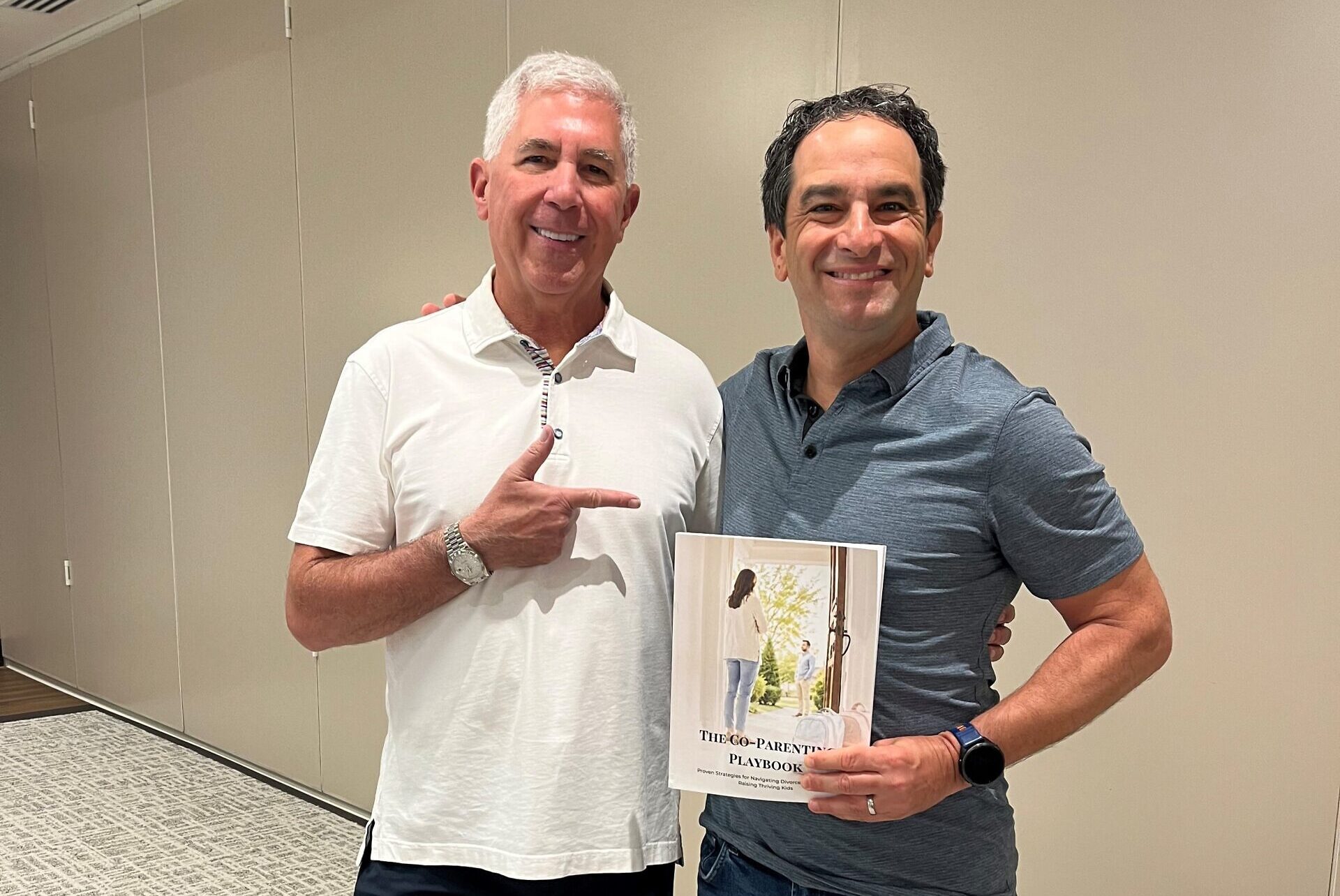
On the Friday before Yom Kippur, The Dupree was the start of safety net programming for candid conversation: could/should the Atlanta Jewish community have more resources for those navigating divorce?

The stats suggest that more than 50 percent of marriages end up “on the shelf. ”For Jewish clients, divorce can involve more than the legal dissolution. Religious practice, family dynamics, communal relationships, spirituality, and mental health all intersect with the divorce process. Under the support of the Atlanta Rabbinical Association (ARA), Aveirut sponsored a free, interactive lunch workshop for family-law attorneys, mediators, mental-health clinicians, coaches, and financial practitioners to share ways to build a multidisciplinary support team. Reconstructionist Rabbi Ezra Weinberg and therapist Batsheva Ganz led the discussion.
According to Brooke Rosenthal, ARA’s operations manager and program director, the event began with a breakfast at Berman Commons where, “a small, but mighty group … came together to hear the Areivut presentation on divorce, noting surveys show local Jewish divorce resources are lacking through phrases of the process … with the goal of surfacing tools rabbis can use to better support congregants.”
Concluding on Saturday, Temple Sinai Rabbi and ARA President Brad Levenberg and Justin Milrad, certified professional divorce coach, conducted a session after Shabbat services; some synagogues coordinated Torah study and sermons furthering dialogue.
Veteran divorce attorney Shiel Edlin told the AJT, “I’m trying to figure out how to bring divorce support to the Jewish community. I’m troubled by many of my Jewish clients who seek help, and the best I can offer are referrals to Peachtree Presbyterian Church, with its fantastic divorce support group. My goal is to make this a Jewish user-friendly group. Perhaps it’s not even just Jewish, but a resource for others. Divorce is often a hard journey, There is a crying need to reach out.”
Milrad echoed, “The process is especially difficult in Jewish circles because it can be ‘in our values’ to fight hard to save the marriage. People don’t want to experience the shame and stigma. Sometimes, divorce can be a healthy process with a positive outcome.”

Edlin added that Jewish divorce clients often need attorneys who understand religiously specific issues like from splitting b’not mitzvah costs to seeking a judge’s help compelling a spouse to grant a “get” (Jewish religious divorce document.)
The formal portion of the lunch gathered participants around the table, some of whom disclosed their own divorces. Shari Hertzberg, a divorce project manager with an MBA, described her niche role. Though not an attorney, she helps clients organize documents, complete forms, and prepare evidence for court for an hourly fee.
Weinberg recalled seeking rabbinic counseling during his divorce and found the rabbi reluctant to take sides. Ganz spoke about navigating Orthodox attitudes; her sister divorced simultaneously, and they joked about it being a “double shame” for the family.
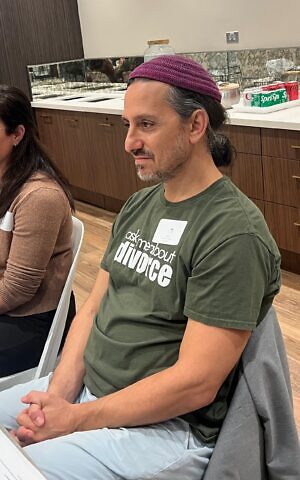
The group discussed myths about divorce: that it’s an isolated, individual failure that brings out the worst in people (drawing laughs about how divorcing spouses reflexively label each other “narcissist” or “borderline”); and that divorce is “war,” when it’s more accurately a dissolution. One of the planners, Tanya Levin, was motivated to help others as she felt the need during her divorce for more community support.
A social worker described running informal “coffeehouse counseling” and utilizing a free Fulton County program for divorcing women, noting that many hand financial decisions to a spouse during marriage, then turn to “Facebook for guidance once on their own, like going to a proctologist for brain surgery.”
Rabbi Weinberg noted that Judaism has long acknowledged that “not all unions were meant to last,” calling Jewish tradition “divorce positive” in that it doesn’t “pretend divorce away,” dating back to the Torah. Much of the conversation turned to the “get,” often costing around $700 per couple, and its positive function as formal closure. Someone joked about synagogues announcing divorces like births. Another cited a recent New York Times article touting divorce parties as trending.
Rosenthal concluded, “The hope is that these conversations will spark broader, ongoing dialogue throughout the Atlanta Jewish community about how to best support and integrate people affected by divorce.”
comments