



Why College Internships Can’t Wait Until Spring
The internship search has become an increasingly structured process with earlier timelines and higher expectations than many parents remember from their own college years.
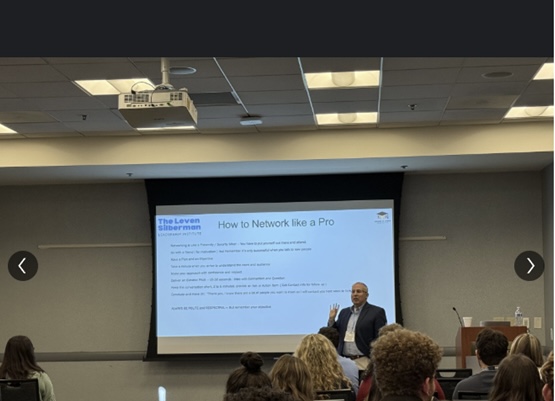
For many college students, the start of the fall semester feels like a fresh beginning. There’s excitement about new classes, reconnecting with friends, and settling into campus life. But while students are buying textbooks and figuring out their schedules, employers are already looking ahead to next summer.

It’s a reality that surprises many families. The search for summer internships often begins months before students expect, with some of the largest recruiting events taking place just weeks after classes begin. At universities such as the University of Georgia, Georgia Tech, and Kennesaw State University, major career fairs are typically held in September, giving students a narrow window to prepare.
Unfortunately, many don’t realize how early the process starts until those opportunities have already passed.
Internships have become much more than résumé builders. In many industries, they serve as extended interviews, allowing employers to evaluate students before making full-time job offers. According to the National Association of Colleges and Employers (NACE), students who complete paid internships are significantly more likely to receive job offers after graduation than those who do not.
Arthur Povlot, founder of College2Career, says many families are working from an outdated understanding of today’s hiring landscape. “There is a gap in the understanding of parents and students vs. the internship process in the current environment. What worked 30 years ago is no longer true today.”
Preparation often begins long before applications are submitted. Students benefit from having a polished résumé, a professional LinkedIn profile, and a clear understanding of how to introduce themselves to recruiters. Many also underestimate the importance of networking. Career fairs, alumni events, professors, student organizations, and even informational interviews can all open doors that online applications alone may not.

Daniel Urshansky, a junior at Georgia Tech, learned that timing is critical. “A piece of advice I’d give to a younger student is start early and don’t leave the internship search to the last minute.”
Parents can also play a valuable role. While students should take ownership of the search, parents can encourage them to begin planning early, remind them of important deadlines, and help them stay organized throughout the process.
For first-year students, the internship search can feel intimidating. Many assume employers are only interested in juniors and seniors. While some companies do target upperclassmen, there are also opportunities specifically designed for freshmen and sophomores, particularly in industries looking to build long-term talent pipelines. Even if a first internship isn’t directly related to a student’s intended career, the experience can help develop communication, teamwork, problem-solving, and professional skills that employers value.
Another common misconception is that students should wait until spring semester to begin looking for summer opportunities. By then, many of the most competitive internships have already been filled. Students who start researching opportunities during the summer or early fall often have access to a much broader range of positions.
Ben Cohen, a senior at Middle Tennessee State University, approached the process with discipline. “I made a goal for myself of applying to a minimum of 10 internships per day.”
Beyond submitting applications, students should practice interviewing, learn how to follow up professionally after meeting recruiters, and understand how applicant tracking systems screen résumés. Small details can make a meaningful difference in a competitive hiring process.
The internship search can be especially challenging for students who are the first in their family to navigate college recruiting or who simply don’t know where to begin. Fortunately, many universities offer career centers, résumé reviews, mock interviews, and networking events at no additional cost. Taking advantage of these resources early can significantly improve a student’s confidence and readiness.
Jaeger Ouanounou, a junior at the University of North Carolina at Chapel Hill, says he underestimated just how much groundwork was required before interviews even began. “What surprised me most about the search was how much preparation and networking was needed to even get a first-round interview.”
For families, the biggest takeaway is simple: don’t wait. The internship search has become an increasingly structured process with earlier timelines and higher expectations than many parents remember from their own college years. Starting early gives students more opportunities, more confidence, and ultimately a stronger foundation as they prepare to launch their careers.
For students who want additional guidance beyond what their university offers, organizations such as College2Career work one-on-one with students to help them prepare résumés, strengthen LinkedIn profiles, practice interviewing, and develop internship search strategies before recruiting season begins.
Povlot, who spent more than 25 years in enterprise technology sales before founding College2Career, says he built the program around accountability and consistent action. “Students don’t just receive advice — they execute. We focus on measurable activity, follow-through, and helping each student develop a strategy that fits their strengths.”
The results have been encouraging. During the program’s first academic year, 21 participating students received a combined 20 internship offers. Whether students seek guidance through their university career center, mentors, alumni, or programs like College2Career, the message is the same: the earlier they begin preparing, the more opportunities they’ll have when recruiting season arrives.
Parents Can Help By …
Encouraging students to start early
Asking about career fairs and application deadlines
Reviewing résumés and LinkedIn profiles
Supporting networking opportunities
Reminding students that persistence is part of the process
Internship Timeline
Summer: Update résumé and LinkedIn. Research companies
Early Fall: Attend career fairs and begin applying
Fall: Interview, network, and continue submitting applications
Spring: Follow up on applications and pursue remaining opportunities
comments