



Deck Safety: What Every Homeowner Needs to Know
The following are some helpful tips for homeowners.
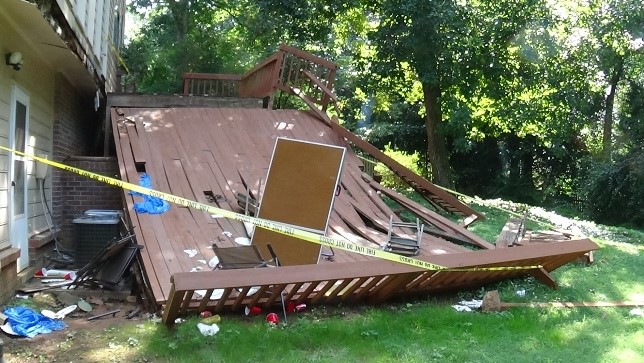
For many homeowners, the deck is one of the most overlooked — and potentially dangerous — parts of the home. Building codes have evolved significantly over the past 15 years, yet millions of older decks remain in use that were built before modern safety standards were established.

If your deck wasn’t constructed by a licensed professional or was built without a permit, the risk of failure increases dramatically. This article will explore deck safety from every angle, starting with how to spot signs of trouble before it’s too late.
How to Identify an Unsafe Deck
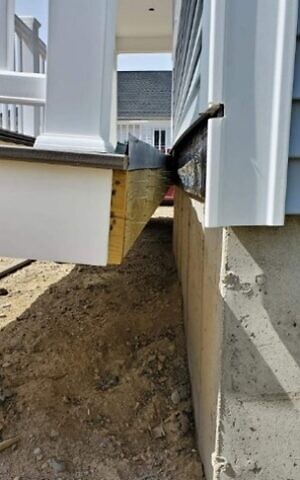
More than 50 percent of homes in Georgia feature an exterior deck. Nationally, there are more than 40 million decks, many of which are aging beyond their intended lifespan. A pressure-treated wood deck typically lasts 12 to 16 years, depending on factors such as maintenance, climate exposure, and nearby vegetation. Any deck over 20 years old should be treated with suspicion.
Because all decks will eventually degrade, professional inspections are highly recommended annually, or at the very least, every two years; it’s simply a matter of when failure will occur, not if.
The most frequent reasons decks fail include: inadequate or deteriorating fasteners (nails, screws, bolts); advanced age; wood rot and splitting; improper ledger board attachment; missing structural connections; loose or shifting components; metal corrosion; deck movement under weight; non-compliant or amateur construction.
Why Deck Safety Is Gaining National Attention
In recent years, more jurisdictions across the U.S. have adopted stricter codes for deck construction. Modern codes now address critical elements such as ledger boards, post connections, beam spans, and joist sizing. For homeowners looking to learn more, the DCA6 Prescriptive Residential Wood Deck Construction Guide is a reliable reference.

The dangers of failing structures are well-documented. From 2016 to 2019, the Consumer Product Safety Commission attributed approximately 2,900 injuries to the collapse of decks, balconies, and porches — a statistic that powerfully underscores the importance of both proactive maintenance and proper construction.
The Two Biggest Threats to Deck Safety
Homeowner Neglect: In most cases, homeowners don’t give their deck much thought until something happens — like stepping through a rotted board, grabbing a wobbly railing, or experiencing a total collapse.
Frequently, once the cost of replacement is presented, some homeowners opt for temporary fixes by hiring contractors willing to “patch” the deck — a decision that can lead to higher costs and serious safety risks down the road.
Unlicensed Contractors: Deck repairs or replacements performed without permits are rarely inspected and often violate modern codes. Cutting corners in construction not only compromises structural integrity but also endangers lives.
Deck Safety Checklist
Here are common warning signs that your deck may be unsafe:
* The deck shifts or moves when walked on
* Boards show signs of rot or decay
* Railings are loose or unstable
* Support posts are leaning or deteriorating
* Stairs feel unsteady or shake
* Floor joists are separating from the ledger board
* Support posts are not properly anchored
* Fasteners are missing, rusted, or failing
* The deck is held together primarily by nails
Stan Garnet is an ASHI and IRC code-certified inspector and a licensed Georgia state contractor. He is a deck specialist and presenter at the Atlanta Home Show. He runs seminars for inspectors and builders on deck safety and building standards. Stan can be reached at BuildersAmerica.com, 770-587-3325. He welcomes any questions you may have.
comments