



Local Israelis Vote in Nation’s Consequential Election
Dozens left jobs and paid thousands of dollars to fly home and help change the country’s direction.
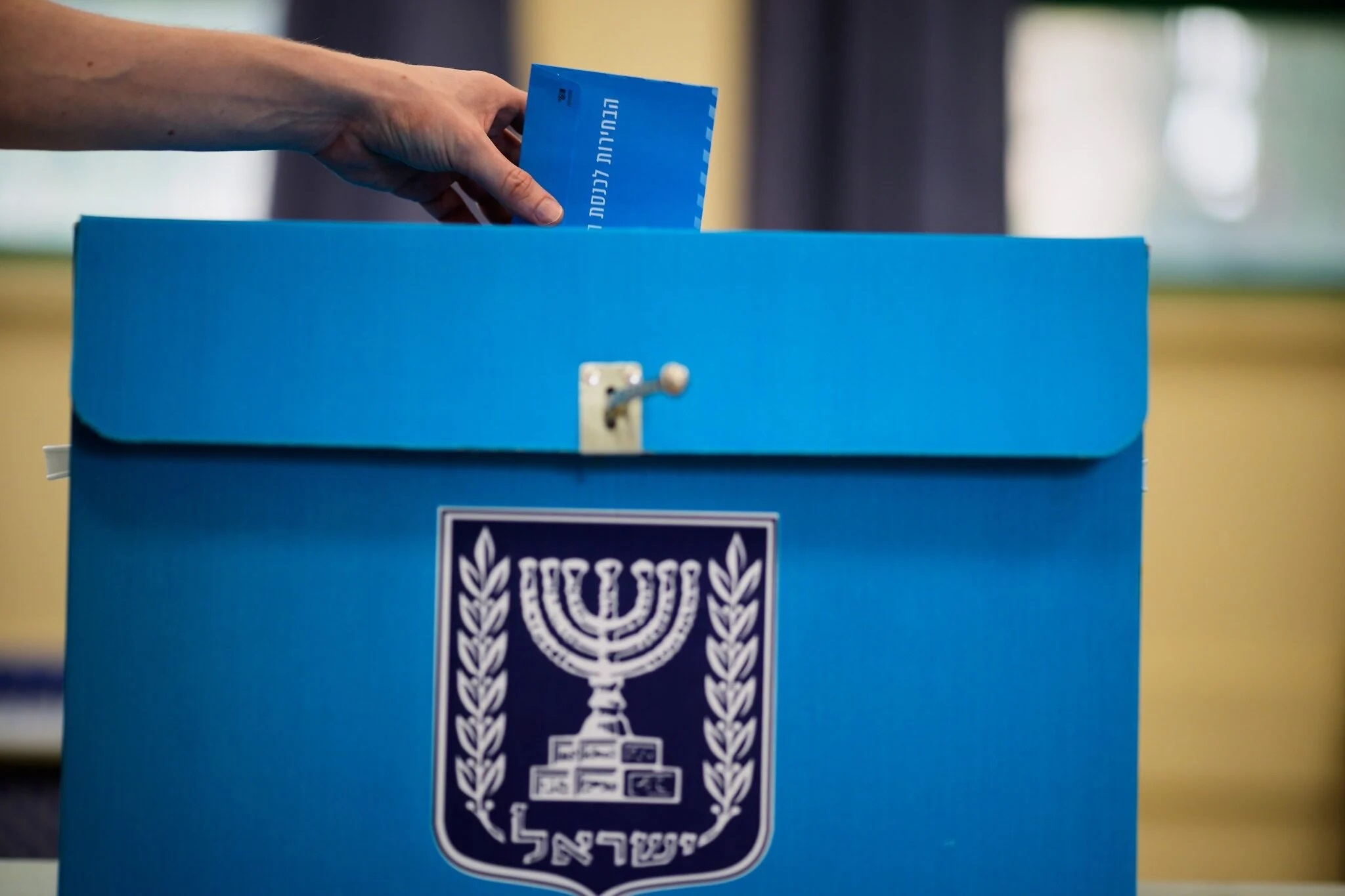
Spurred by emotion and a desire to help change the direction of their country, as many as two dozen or more Atlanta Israelis put aside jobs and spent thousands of dollars to vote in what they saw as the most important election in their lifetimes – the first election since Oct. 7, 2023. That day Hamas-led terrorists from Gaza murdered some 1,200 people, according to Israeli authorities. More than 250 were taken hostage – some not returned alive, others held captive over two years.

The local Israelis were among an estimated 67,000 Israelis who came from abroad to vote in the country which requires in-person voting with few exceptions for diplomats. Local Israeli Guy Tessler, who flew back to vote – his first since 2015 – estimated that there may have been even more than two dozen Israelis flying to Israel to vote.
Meirav Mayer said she voted in one of the last rounds of voting but “this time I felt it was an historical time to save the country.” She said she felt “very emotional” after casting her ballot.
This was the first time Dotan Harpak went back to Israel to vote. “It felt very special. As angry and sad I have been about this place for years, it will always be a place I love deeply.”
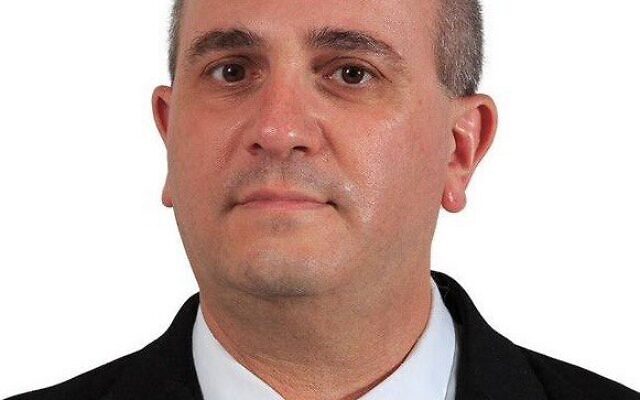
For Avishay Ben Zvi, who voted in every election except during the COVID pandemic, this election held special significance. He posted a message on Facebook prior to voting that he would be voting in memory of his father, Amit Ben Zvi. “My father was murdered in [Kibbutz] Nir Oz on Oct. 7, 2023, at the age of 80. He will not be able to vote in these elections. My wife and I will be able to vote, and we came from Atlanta, USA, to vote and are taking him with us to the polls … My ballot is dedicated to him.”
When he voted, Ben Zvi said he wore a shirt that bore a slogan of his kibbutz which saw a quarter of its 400 residents either killed or taken hostage Oct. 7. After casting his vote, he went to Nir Oz, near the Gaza border, along with his sister who had come from California and visited the cemetery. The homes that had been burnt by the terrorists had been demolished to allow for rebuilding.

Ben Zvi’s vote was not the only one cast with the traumatic memory of Oct. 7 in mind. Relatives of victims killed had held signs of their loved ones at some polling stations. Many victims’ relatives, along with a majority of Israelis, have demanded a commission of inquiry to investigate the multiple failures that allowed Oct. 7 to happen. The current government has rejected the idea of such an inquiry.
Even as they are living abroad, local Israelis also feel impacted by the policies of Prime Minister Benjamin Netanyahu – the longest serving prime minister in Israel’s history and 15 of the last 17 years.
Before the election, Mayer volunteered for the Fly & Vote organization that offered Israelis logistical support to fly back to vote. She believed in its cause. “This was important. Israelis had to come and vote. People here [she was in Israel as she was interviewed] don’t understand what happens here affects us Israelis and Jews abroad.”
According to Harpak, “Casting my vote felt that I get, with this small act, to participate to help fix the country so it’s not this heart-breaking and sad place for me. It could still be home.”
Like her husband, Israeli marriage and family therapist Shirley Shani Ben Zvi said she also voted in memory of her own father who died in 2012. “My dad saw where we [Israel] were going. He was deeply disappointed in the direction. It was not the country he fought for.” Ben Zvi said she also voted to give her teenage daughters – who flew to Israel with their parents for the election – the Israel her father wanted.
In a blog for Times of Israel, Atlanta native Avi Rubel, who made Aliyah but returned to the U.S. as the CEO of Honeymoon Israel, which he had co-founded in 2014, wrote that going back to Israel felt different this time.
“This time I came back to vote. This election is special because it will likely shape Israel itself and, to a large extent, how the world sees Israel in the years ahead. This election also feels different because an unprecedented number of Israeli citizens who live abroad have returned to cast their ballots. It feels like a real kibbutz galuyot, an ingathering of the exiles from the diaspora. This election offers a moment of hope for all Israelis: a reminder that we can control our destiny, and that we can make a difference in how Israel evolves. Coming here to vote is part of loving Israel.”
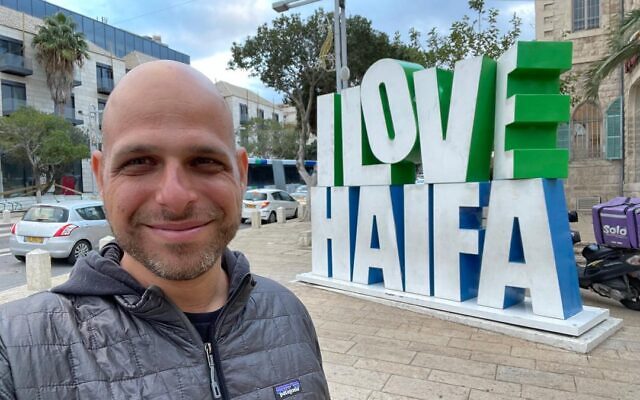
The results of the election, which were inconclusive, left some local Israelis disappointed and still worried about the country’s future. “The last four years took an emotional toll on us. It was important for us personally and collectively to come vote and get rid of Netanyahu,” said Harpak. “The election results aren’t easy for most people to handle. Everyone will need to let go of deeply held beliefs to save the country.”
Tessler expressed shock at the number of Israelis who voted for Netanyahu’s party, especially those who were particularly affected by the Oct. 7 attack on Israel’s south, including Sderot along the border with Gaza, and those evacuated in the north from cities like Kiryat Shimona due to the war with the Lebanese militia Hezbollah.
“The people of Stockholm must be upset now that the Stockholm Syndrome is called the Kiryat Shimona Syndrome,” said Tessler, referring to the psychological reaction in which a person held captive or abused develops a bond or loyalty toward their abuser. “They bought into the cult.”
In the next few weeks, the political parties will be jockeying to put together a governing coalition. The bloc of voters who supported the parties in the current government lost a lot of their mandates. To have a majority in the 120-seat legislative body, the Knesset, requires 61 mandates. The pro-Netanyahu bloc won 53, a drop from 64 in the election four years ago. Although the opposition, or “change” bloc, reached 67 mandates, the parties in this bloc include two Israeli Arab-led parties. Israeli Arabs came out to vote in higher numbers than ever and captured 19 mandates.
The last four years took an emotional toll on us. It was important for us personally and collectively to come vote and get rid of Netanyahu. The election results aren’t easy for most people to handle. Everyone will need to let go of deeply held beliefs to save the country.
Israeli Arabs account for about 20 percent of Israel’s population and have had representation in the Knesset before. But only in 2021, an Arab-led party, Ra’am, joined the government led by Naftali Bennett and Yair Lapid. In this election, Ra’am included a Jewish Israeli, Yoav Segalovitz, considered a centrist Zionist who is a former police officer. Some have speculated that if Ra’am becomes part of a governing coalition, Segalovitz could become the country’s minister of police.
Harpak believes that the opposition parties should be able to come to some agreement that allows that opposition bloc to form a governing coalition. All the parties, he said, “oppose the corruption of the outgoing government and oppose Netanyahu. I think there’s enough to agree on, to get rid of him.” Although Harpak believes that such a government could also improve Israel’s diplomatic image, “I don’t expect the new government to sign an agreement with the Palestinians.”
He added that “as an Israeli living abroad I had to suffer because of the Israeli image abroad. If Israel can show the world that it is choosing democracy and equality for Jews and Palestinians in Israel, it would be different from the last four years.” He said that if the opposition bloc prioritizes democracy, and join together in some kind of coalition, “it would show the world the Israel it was founded on.”
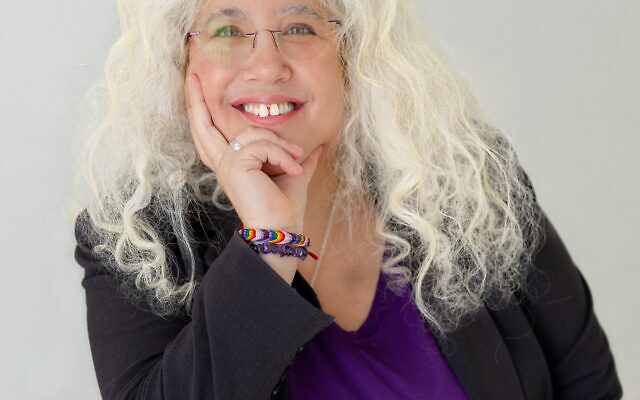
According to Harpak, people in his progressive circles in the U.S. “don’t want to see us fail. People don’t want to not like Israel; they don’t like Israel’s actions. Most people want to see Israel as a just place. If Israel gives proper representation and partnership to all citizens, it would send a different message. I’m sure of this, from people who have never even been here [in Israel]. Jews and non-Jews care.”
While some of the Atlanta Israelis expressed a let-down after the results of the election were known, others found something to feel positive about. “I think it was a good result,” said Avishay Ben Zvi. “It could have been better without having to compromise, but the fact that we made the effort to come and vote made a difference.” Every party has to compromise, but that’s always true in politics. “I’m not afraid of the Arab parties. I don’t mind if Mansour Abbas [leader of the Ra-am Party] becomes a minister in the government. In the last few years, we’ve said Israel is not an apartheid state. Now we have to walk the talk.”
His wife agreed, saying “the bloc for change is better than I expected. I would have wanted a bigger number, but I also want a unicorn.”
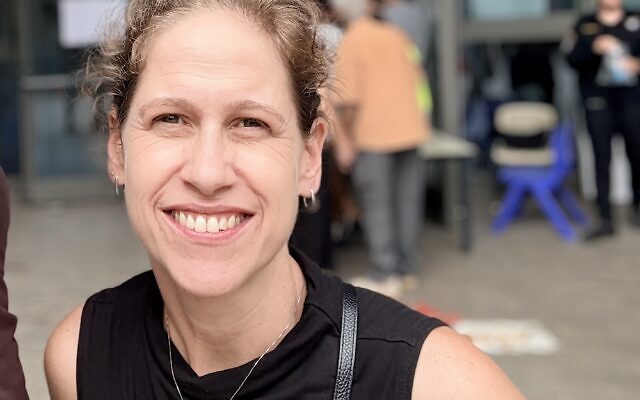
Mayer acknowledges that she was “deeply disappointed” in the election results. She had hoped that the “change” opposition bloc would capture more mandates. “I didn’t expect a landslide win. People are very divided. It was a shock to me that [Netanyahu’s party] Likud is still the largest. But now there’s an historical opportunity to join forces with the Arab citizens who exercised their right to vote.”
She said that she is trying to “maintain some optimism. The world sees us as an apartheid country. This is the time to show we’re not. Everyone [in the opposition bloc] has to be courageous. Now is the time. We can’t go back to another round of elections. We have to start healing from the last four years. I can’t be part of a coalition with the ones who governed on Oct. 7.”
She added that she hopes that a unity government composed and led by Netanyahu, with some of the opposition parties, will not be the result of this election. “We cannot give legitimacy to the government who led us to the biggest disaster [of Oct. 7]. I’d rather see a coalition with the Arab-led parties.”
As an Israeli living abroad, Mayer realizes that she’s somewhat of an ambassador, explaining the country to others. “I don’t want to be an ambassador for a country I don’t believe in.”
comments