



Expert Provides Tips on Plumbing & Water Control
Water damage is one of the most common and costly homeowner insurance claims. Many losses are preventable through routine observation and early action.
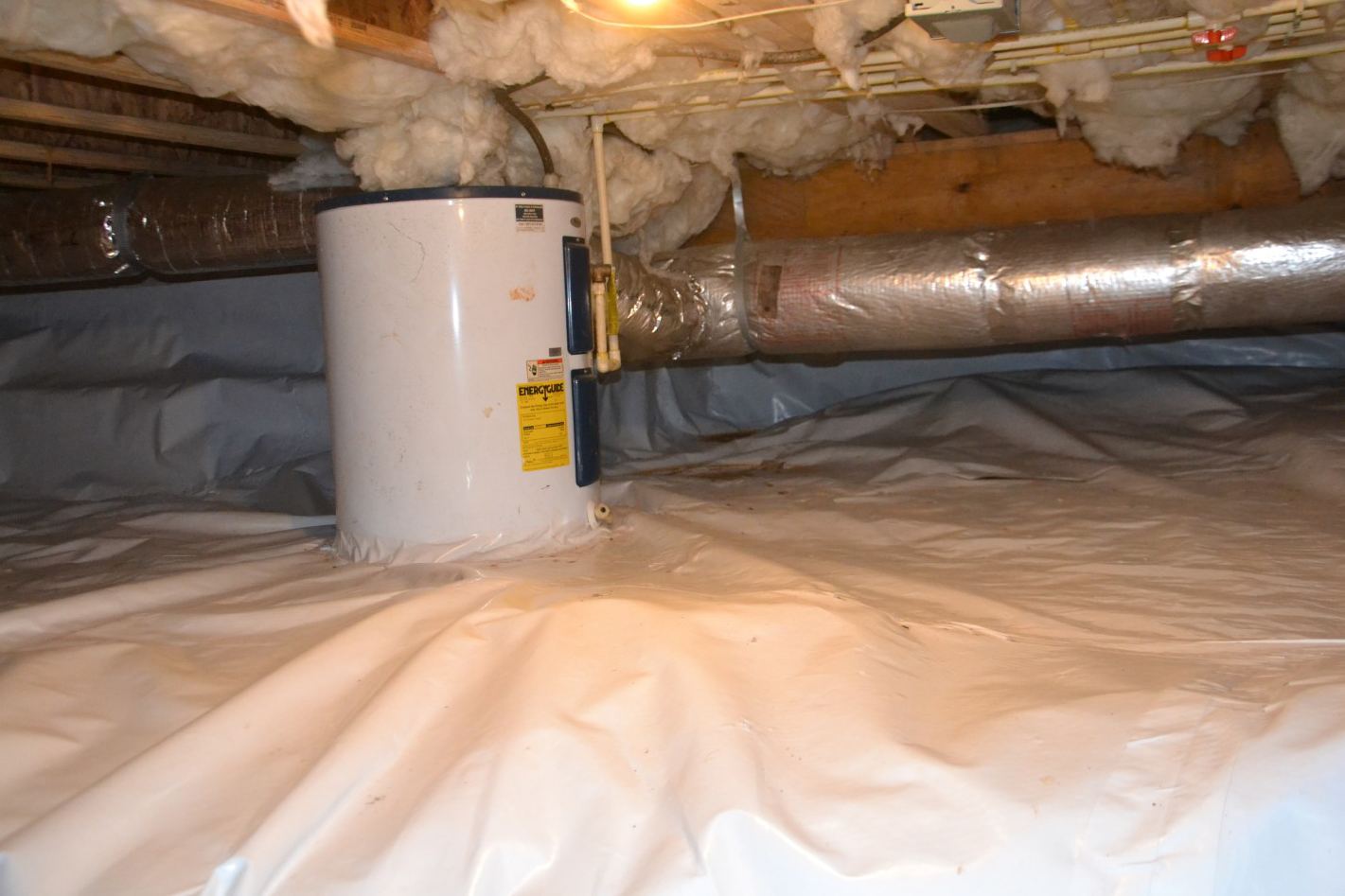
Let’s take a look at how you can protect your home from leaks, damage, and costly repairs. Water is essential in all aspects of life, but when it comes to your home, it is one of the most destructive elements, especially when not properly controlled.

Plumbing and water management systems operate quietly behind walls, under floors, and below ground. It is definitely out of mind and not seen until something goes wrong. When a plumbing problem does surface, it tends to be disruptive, expensive, damaging, and extremely stressful. You should know that paying attention and applying simple maintenance can prevent thousands of dollars in damage and extend the life of your home and systems.
Your plumbing system has three primary responsibilities. The first is to safely deliver clean water. Next is to remove wastewater, and last, to control moisture and prevent damage to the home. These functions work together to protect your home’s structure, air quality, and livability.
The supply system delivers pressurized water to fixtures such as sinks, showers, toilets, appliances, and irrigation systems. Pipes, valves, and connectors must remain sealed and corrosion-free to prevent leaks and pressure loss.
The drainpipes move wastewater away from the home through gravity and venting systems. If your drains clog, slope improperly, or vent incorrectly, water can back up into fixtures or escape into walls and floors. Plumbing interacts closely with water control systems such as sump pumps, floor drains, sewer cleanouts and exterior drainage and grading. Failure in any of these areas can lead to rot, mold growth, foundation damage, and compromised indoor air quality. Water damage is one of the most common and costly homeowner insurance claims. Many losses are preventable through routine observation and early action on your part.
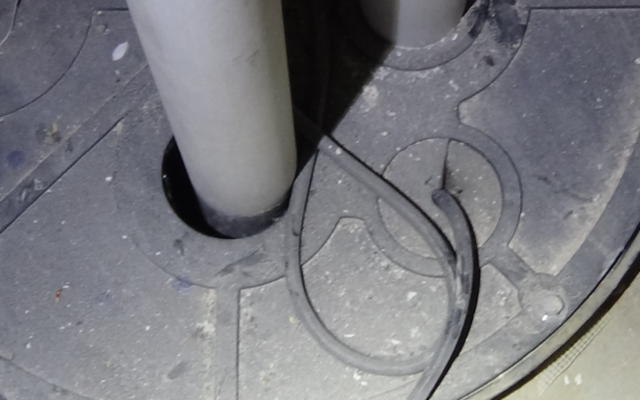
Here are some simple visual checks you can perform, and you do not need be a plumber to spot early warning signs. You just need to know what to look for.

Inspect under sinks and behind toilets. Open cabinet doors and look closely for these telltale signs. You can check for dampness, staining, or mildew odor. You can feel for soft or swollen flooring. You can look for slow drips at trap connections or around shutoff valves. Even small leaks can damage cabinetry and subflooring over time. Examine your supply lines and shutoff valves and look for corrosion.
When examining visible plumbing, look out for rust, greenish residue, or white mineral buildup. Test your shutoff valves. Are they stiff or hard-to-turn? Check your plastic or rubber supply lines to make sure they are not brittle. You should know that corroded fittings are more likely to fail and they can do so in an instant.
You can test water pressure at faucets and showers. Be aware that inconsistent pressure may indicate sediment buildup, a failing pressure regulator, or hidden leaks. High water pressure can be just as damaging as low pressure causing stress to fixtures and appliances.
Search for exposed pipes in basements and crawlspaces and look for condensation (“sweating”) on pipes, rusted or flaking metal and sagging or unsupported piping. Persistent moisture in these areas contributes to mold growth and wood decay.
You can monitor your water meter by turning off all water fixtures in your home first and then view your water meter to see if the dial or digital readout moves. If it does, then you likely have a hidden leak. This is one of the simplest ways to detect underground or slab leaks.
Plumbing systems can be affected by temperature changes. In the winter, make sure that all outdoor plumbing connections are clear and shut down or protected against freezing temperatures. Frozen pipes are one of the leading causes of catastrophic plumbing failures. In the summer, if you have an irrigation system, verify that there are no leaks in the system. If you have an indoor sprinkler, examine the sprinkler heads to see if there are any leaks.
You should know that many plumbing failures stem from aging components and neglect rather than sudden events. Consider replacing rubber supply lines with braided steel since rubber and plastic lines degrade over time. Braided stainless steel lines are more durable, resist bursting and are inexpensive to change out. This is especially important for washing machines, dishwashers, and toilets.
You should flush your water heaters annually since sediment buildup reduces efficiency and shortens the lifespan. Annual flushing will improve heating performance, reduce popping, or rumbling noises, and help to prevent premature tank failure. If you have a tankless system, servicing it periodically will help keep it functioning.
You can also install leak detection sensors under sinks, behind toilets, near water heaters and in laundry rooms. Many systems now provide phone alerts, allowing quick response even when you are away. Take the time to clean faucet aerators. Mineral deposits restrict flow and affect pressure. By cleaning aerators, you will improve water efficiency, restore spray patterns, and extend fixture life. This simple task will often resolve low pressure concerns.
Some plumbing issues will require specialized tools, experience, and code knowledge. Many are guilty of ignoring warning signs and this can lead to extensive damage. If you experience a sudden drop in water pressure, there may be a hidden pipe leaking, a failing pressure regulator, or supply line corrosion. This will be the time to hire a licensed plumber to test pressure and isolate the cause safely.
If you have recurring drain backups, it would suggest possible improper pipe slope, tree root intrusion, and possible collapsing or deteriorated drain lines. In these instances, a professional camera inspection can identify what is taking place.
If you see mold near your plumbing lines, you have a chronic moisture problem that will require more in-depth research to find hidden leaks. Mold should never be ignored. If you have a slab and you are experiencing warm spots on the floor, unexplained moisture, or rising water bills, then you may have a slab leak. These require immediate professional attention to prevent structural damage.
Water awareness is critical to home protection. Plumbing systems are not “set it and forget it.” They require periodic observation, seasonal preparation, and timely maintenance. The good news is that many issues have early warning signs and disasters can be avoided by performing regular visual checks, staying mindful of seasonal risks, and addressing small issues promptly. This way, you can avoid costly repairs, preserve your home’s value, and maintain a healthier living environment.
Water belongs inside pipes and outside the home, not in walls, floors, or foundations. Awareness is your first and most powerful tool.
Stan Garnet is an ASHI and IRC code certified inspector and is a licensed Georgia state contractor. He is a deck specialist and presenter at the Atlanta Home Show. He runs seminars for inspectors and builders on deck safety and building standards. Stan can be reached at BuildersAmerica.com 770-587-3325. He will be glad to answer any of your questions.
comments