



Prep Your Home with Furnace Inspections, Fire Safety
Get your home ready for fall and winter with these helpful tips.
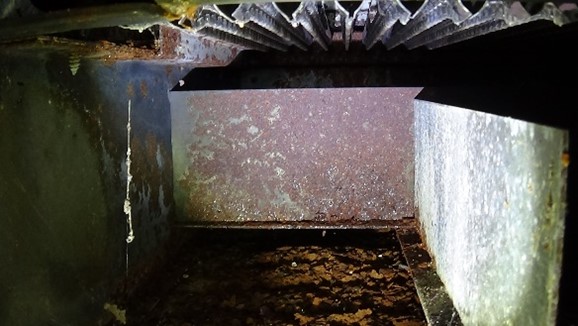
Fall is just around the corner. The drop in the blistering heat of the summer is a good indicator of our seasonal change. As homeowners, we begin to shift our focus from keeping cool to staying warm. This seasonal change is the perfect time to check off your home’s safety tasks and ensure your furnace and fire safety systems are in top shape before the cooler months approach. From furnace inspections to testing fire detectors, initiative-taking steps now can help you avoid costly repairs and dangerous situations later

Let us consider the importance of inspecting your gas furnace for potential hazards, including cracked heat exchangers, and understand the role fire sensors play in protecting your home as temperatures drop. Here are some essential seasonal safety habits that every homeowner should adopt.
With the change in temperatures as fall and winter approaches, we begin to think of sitting in front of the fireplace and adjusting the thermostat to keep the house warm. Before you turn on that furnace, it is important to verify it functions correctly. A furnace in poor condition does not just lead to inefficient heating, it can also present serious health risks, including carbon monoxide poisoning.
One of the most common yet dangerous issues with gas furnaces is a cracked heat exchanger. This critical part of the furnace transfers heat from the combustion process to the air circulating in your home. When a heat exchanger cracks, it can allow carbon monoxide to leak into your living space. Since carbon monoxide is odorless, colorless, and tasteless, it can be impossible to detect without proper sensors. Exposure to even small amounts of carbon monoxide can be fatal, which is why furnace inspection should be a priority.
If you notice any strange noises, smells, or uneven heating, your furnace could be malfunctioning.
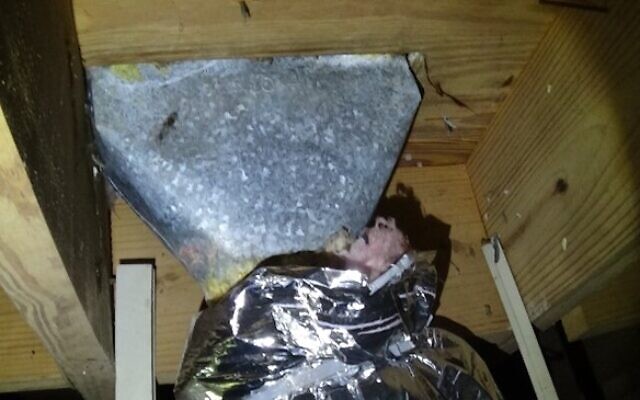
It is always best to hire a licensed HVAC technician to inspect your furnace at least once a year. They can identify cracks or other issues that may not be obvious to the untrained eye. Now is the best time for this inspection so when the cold snap arrives you are ready and safe.

By getting your furnace inspected, you are not only ensuring your home will be warm during the winter months but also protecting your family from the dangers of carbon monoxide poisoning.
It is common knowledge that most people tend to overlook their fire sensors. As the weather cools, we tend to rely more on gas appliances, space heaters, and other heating sources. With this increased use comes a greater risk of fire, so ensuring your home is equipped with working fire sensors is essential.
Smoke detectors are your first line of defense against fires. They should be installed on every level of your home, inside each bedroom, and in hallways leading to sleeping areas. To make sure they are working properly, test each detector monthly, and replace the batteries at least once a year, especially in the fall, when you are already doing other home maintenance tasks. If your smoke detectors are more than 10 years old, consider replacing them. If your smoke detectors only run off batteries, consider replacing them with hard wired detectors that communicate with each other.
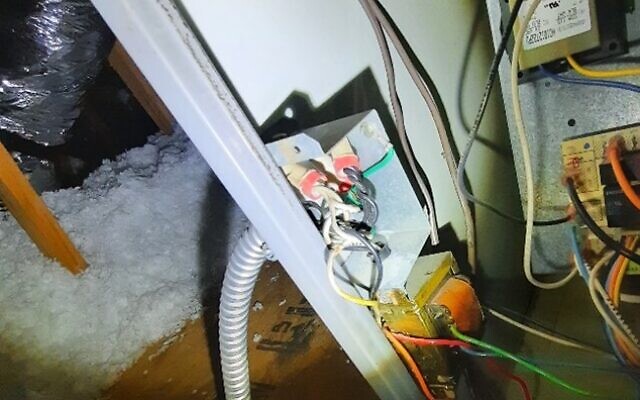
Homes with gas-powered appliances, including furnaces, need carbon monoxide detectors. Just like smoke detectors, carbon monoxide detectors should be placed near bedrooms and in hallways where the sound can be heard during the night. If you have a multi-level home, you should install one detector on each floor.
In order to stay on top of fire safety, create a routine to:
* Test your smoke and carbon monoxide detectors regularly.
* Change the batteries annually (or more often if the alarm sounds weak).
* Replace old detectors that may not function properly.
In addition to furnace inspections and fire sensor checks, there are a few more seasonal tasks that can keep your home safe during the colder months. Dirty or clogged ducts can reduce your furnace’s efficiency, making it work harder to heat your home. They can also cause a buildup of dangerous gases like carbon monoxide if the system is not properly vented. Ensure all vents and ducts are clear of debris and dust.
If your home has a fireplace, now is the time to clean and inspect the chimney. Buildup of creosote or soot can cause chimney fires. If you have not already done so, hire a professional chimney sweep to remove debris and check for any potential blockages or damage. If you notice your furnace is running irregularly or not maintaining a consistent temperature, the thermostat might be faulty. A malfunctioning thermostat can lead to an uncomfortable home and inefficient heating, which could also drive up your energy bills.
Taking the time to inspect your furnace, check fire detectors, and complete other seasonal maintenance tasks is essential for keeping your home safe and warm as the temperatures drop. With these simple steps, you can prevent potential disasters and enjoy a worry-free winter.
Now is the perfect time to prioritize your home’s safety as the fall weather settles in. Do not wait until something goes wrong, schedule a furnace inspection, test your fire sensors, service your fireplace, and take steps to ensure your home is ready for the colder months ahead. A few initiative-taking checks today can help protect your family and your property all season long.
comments