



The Importance of Interior Home Health and Safety
How to protect comfort, air quality, and the long-term durability of your home.
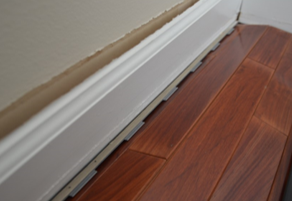
Interior health and safety are often overlooked because many problems develop slowly and quietly. Unlike a roof leak or a broken appliance, interior issues such as moisture buildup, poor ventilation, unstable flooring, or declining air quality may not cause immediate disruption. Over time, these conditions can affect comfort, occupant health, and the long-term durability of the home.

Interior health and safety encompass several interconnected factors that influence how safe, comfortable, and durable a home remains over time. These include moisture control, ventilation and airflow, structural safety of walking surfaces, indoor air quality, and safe operation of windows and doors.
Excess moisture is one of the most damaging forces inside a home. It contributes to mold growth, wood rot, peeling finishes, and weakened structural components. Poor ventilation will allow humidity, odors, and airborne contaminants to linger, while physical safety issues such as loose flooring or unstable handrails increase the risk of falls and injuries. Interior conditions also affect the building itself.
Repeated exposure to moisture and poor airflow can shorten the lifespan of finishes, framing, and subflooring. Addressing interior health concerns early protects the people living in the home and the home’s long-term value.
Many interior health and safety issues can be detected through routine observation and simple hands-on checks. Look for condensation on window glass, especially during cooler weather. This can indicate excess indoor humidity, inadequate ventilation, and temperature differences caused by poor insulation. Occasional condensation may be normal, but persistent moisture can lead to mold growth, window damage, and deteriorating trim.
Take the time to inspect bathrooms for mold or peeling paint. Bathrooms are high-moisture environments and common trouble spots. Look for dark staining on ceilings or walls, peeling or bubbling paint and soft drywall around tubs and showers. These signs often indicate poor exhaust ventilation, often times due to not turning on your vent fan or hidden leaks.

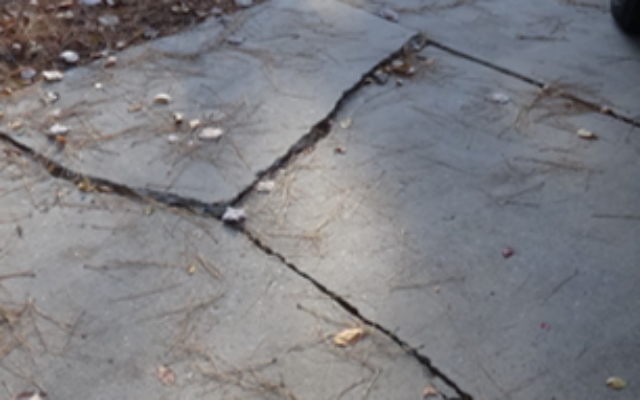
Check handrails, stair treads, and flooring for stability. Interior safety depends heavily on stable walking surfaces. Gently test handrails for looseness, stair treads for movement or squeaks, and flooring transitions between rooms. Even minor instability can worsen over time and increase fall risk.
Windows and doors should open and close smoothly, latch securely, and seal properly when closed. Sticking or difficult operation may signal moisture damage, shifting framing, or worn hardware. A good idea is to walk rooms barefoot because that will help you to detect soft spots in flooring, uneven areas, and temperature differences caused by moisture below. Soft or spongy flooring can indicate subfloor deterioration or leaks that require further evaluation.
Interior conditions will change with the seasons, and periodic checks help prevent predictable issues. In the spring, you may need to improve ventilation. As outdoor temperatures moderate, open windows periodically to allow fresh air circulation. This helps reduce indoor pollutants and excess humidity that may have built up over winter.
In the summer, it is highly recommended to use dehumidifiers in damp areas. Basements, crawlspaces, and laundry rooms often experience elevated humidity in the summer. Dehumidifiers help to prevent mold growth, protect finishes and furnishings, and improve comfort. Maintaining indoor humidity below recommended levels supports both health and durability.
In the fall, as temperatures drop, inspect weatherstripping around windows and doors. Worn or missing seals allow drafts, moisture infiltration, and energy loss.
Watch for condensation as winter approaches. The cold outdoor air, combined with warm indoor temperatures, increases condensation risk. Persistent condensation may indicate inadequate airflow, high indoor humidity, and insulation gaps.
Addressing airflow issues helps prevent moisture damage during winter months.
Routine maintenance plays a significant role in maintaining interior health and safety. Run exhaust fans during and after showers. Bathroom exhaust fans remove moisture at the source. Fans should be used during showers and baths. They should continue running for at least 15 to 20 minutes afterward and it is important that all venting goes out to the exterior and not into attics or wall cavities. Proper ventilation is essential for preventing mold and paint damage.
Loose or damaged flooring should be repaired as soon as possible. Delayed repairs can increase trip hazards, allow moisture intrusion, and worsen underlying structural damage. Early intervention keeps repairs simpler and less expensive.
A healthy interior supports a healthy home. Interior health and safety are the foundation of comfortable living and long-term home performance. Small signs of condensation, peeling paint, and uneven floors will often appear well before serious damage occurs. Paying attention to these indicators allows you to take corrective action early. By performing routine visual checks, following seasonal reminders, and knowing when to bring in qualified professionals, you can protect indoor air quality, reduce safety risks, and preserve the integrity of your home.
A healthy interior environment does not happen by accident; it results from awareness, maintenance, and timely response to warning signs.
Stan Garnet is an ASHI and IRC code certified inspector and is a licensed Georgia state contractor. He is a deck specialist and presenter at the Atlanta Home Show. He runs seminars for inspectors and builders on deck safety and building standards. Stan can be reached at BuildersAmerica.com 770-587-3325. He will be glad to answer any of your questions.
comments