



Knesset Elections Loom on the Horizon
Will Israel’s 10.25 million citizens reward Benjamin Netanyahu’s Likud party and the PM’s haredi (Ultra-Orthodox) with another term?
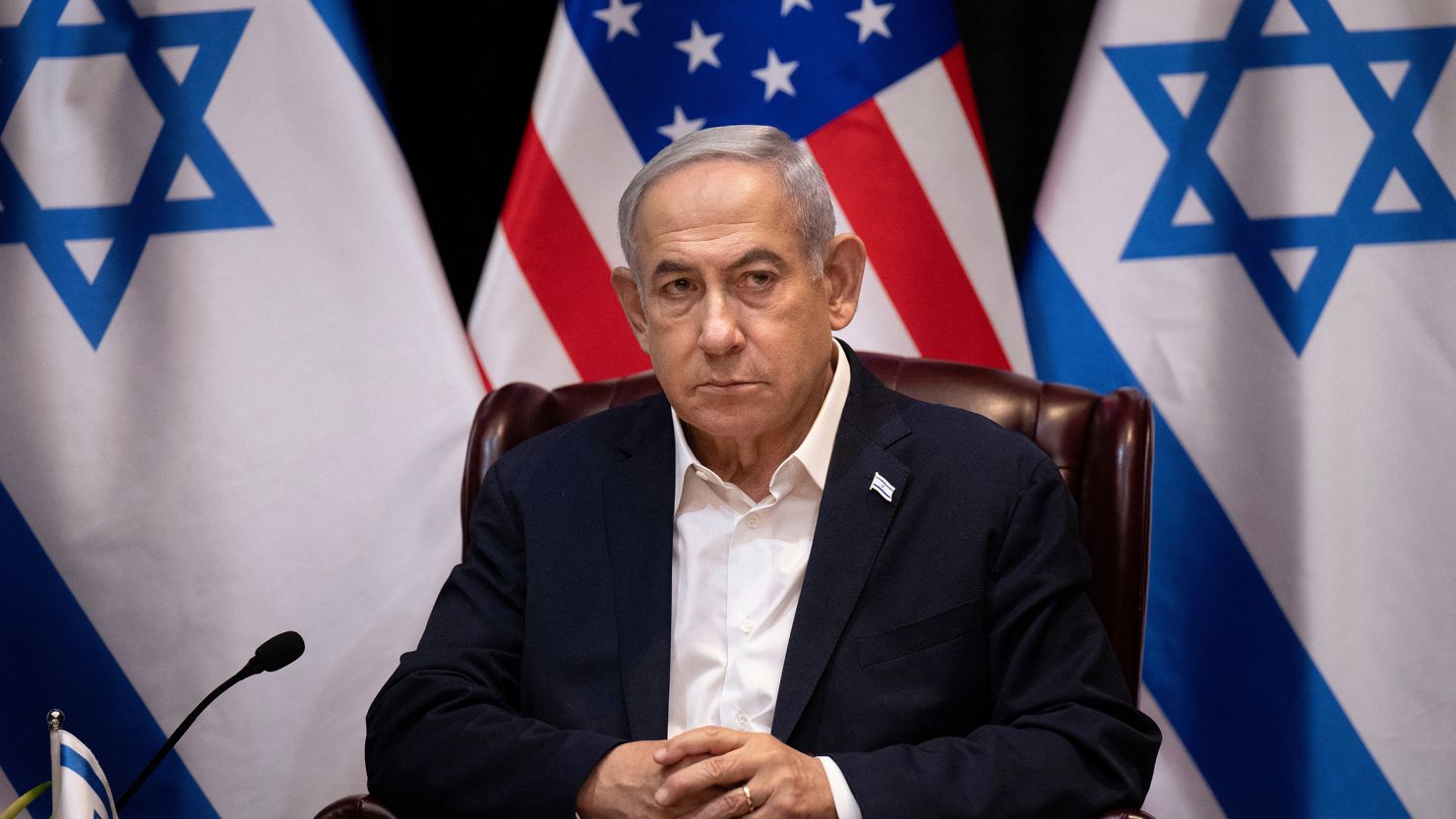
Israelis are going to the ballot box Oct. 27 to pick the members of the 120-seat 26th Knesset. But the date on voters’ minds is Oct. 7, 2023. This fall’s election will be a referendum on the government’s woeful lack of preparation for the Hamas massacre that devastated Gaza Strip border cities and kibbutzim that day – and traumatized the country till the present.
Will Israel’s 10.25 million citizens reward Benjamin Netanyahu’s Likud party and the PM’s haredi (Ultra-Orthodox) with another term?
Many voters who faithfully serve in the IDF and repeatedly show up for miluim (reserve duty) are outraged that their Ultra-Orthodox brothers “hide behind the shield of the Torah” to shirk army duty. While the economy and security matzav (situation) remain perennial concerns for voters, the key issue this fall is increasingly focusing on Likud’s alliance with the black-frocked draft-dodgers.
While the country has weathered wars in Gaza, Lebanon, Yemen, and Iran – and remains under attack in the global media by rabid Jew haters posing as anti-Zionists, ironically Israel has made massive strides in improving its physical security, albeit at high price.
Will voters view this as an achievement of the government, or an accomplishment paid for in blood in spite of it?
PM Netanyahu’s political base is wobbly. He has been abandoned by his erstwhile haredi allies who were outraged by his failure to enshrine a stretch in the yeshiva study halls as equal to time on the battlefield. But politics in Israel remains a notoriously fickle and dirty business. The haredi parties – Shas and United Torah Judaism – are likely to keep their Knesset seats, respectively 11 and seven, since the Ultra-Orthodox vote as a bloc as directed by their rabbis.

But the ultra-nationalist parties – Bezalel Smotrich’s seven-seat Religious Zionist Party and the equally fringe six-seat Otzma Yehudit party led by Itamar Ben-Gvir – face the prospect of oblivion. Voters may decide enough is enough with their anti-Arab provocations and antics.
Under Israel’s arcane electoral system of proportional representation, a party must obtain 3.25 percent of the vote to enter the parliament with four seats. Votes for a party which do not pass the electoral threshold are not counted. Until the elections for the 13th Knesset in 1992, a party had to receive at least 1 percent of the votes in order to secure representation in parliament. Leading up to those elections, the electoral threshold was raised to 1.5 percent. In 2004 (16th Knesset), the electoral threshold was raised to 2 percent, and in 2014 (19th Knesset), the threshold was increased to 3.25 percent.
The key questions then are will the “anyone but Bibi” factions be able to cobble together a 61-seat coalition? And if they do, who would lead such a fragmented government?
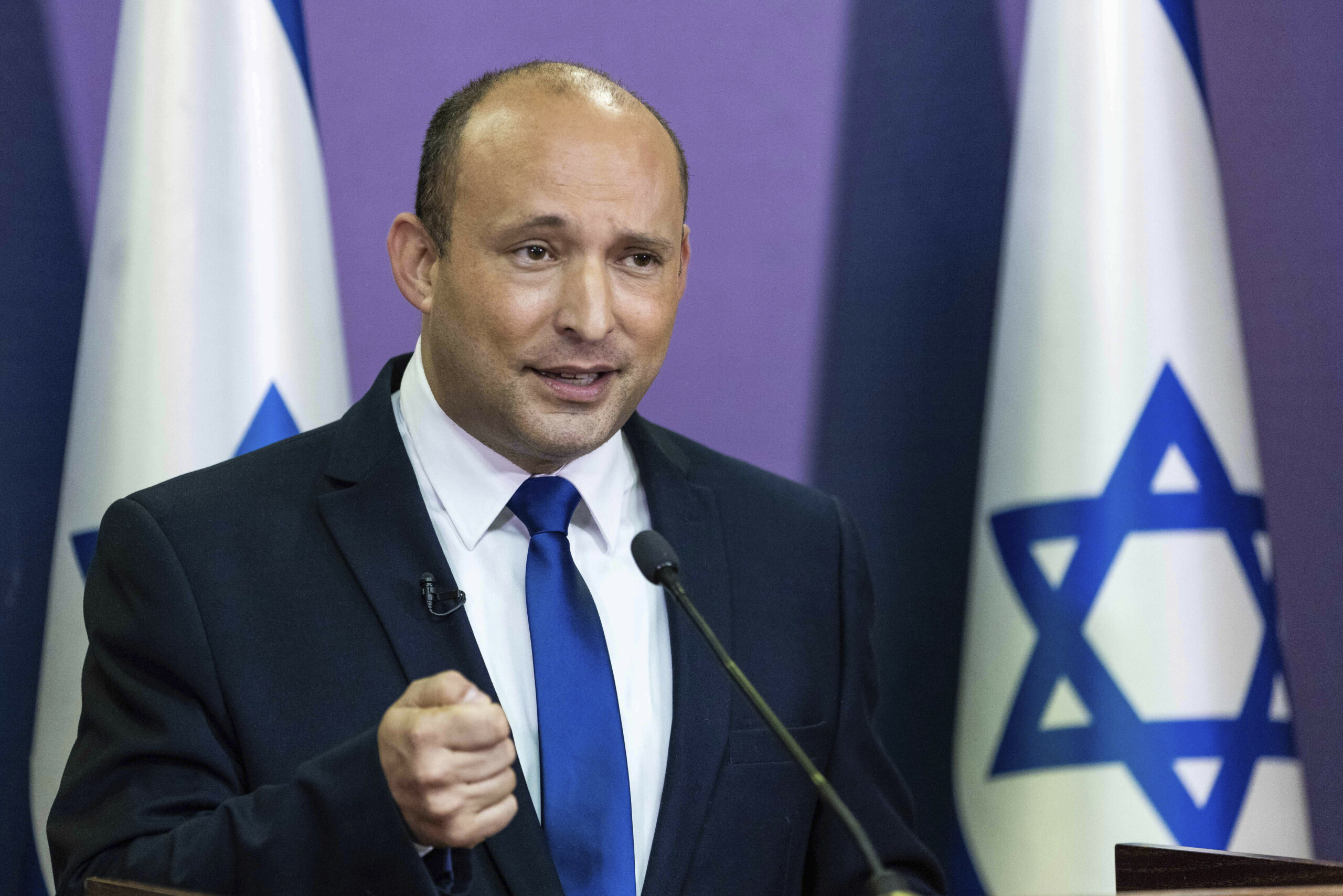
Parties likely to join such an awkward framework include Yachad led by Naftali Bennett, Yashar led by his rival, Gadi Eisenkot, and Yisrael Beitenu led by Bibi’s estranged ally, Avigdor Lieberman. Lists including Oz led by Einat Wilf, Reservists led by Yoav Handel, and Noam led by Avi Maoz may fail to cross the electoral threshold. Or they may merge with a bigger party.
Until the present, Arab parties have hesitated to join a coalition. Mansour Abbas’s United Arab List, which currently has five seats, may do so. Less likely to embrace this Jewish mainstream is Ayman Odeh’s Hadash-Ta’al, which also holds five seats in today’s 25th Knesset.
Opinion polls are poor guides at best. What makes them even less reliable today are the fluid geopolitical events.
Compounding all of the above is President Donald Trump. Israel risks being degraded from a U.S. ally to a proxy. Will voters endorse or reject Trump’s controversial on/off deal with the mullah regime in Iran? Having bought Teheran to the brink of collapse, the U.S. president is blinking. His “deal” conveniently let the price of gasoline drop just as Americans were beginning their summer vacation. But it left the IRGC strong enough to prepare to fight the next round.
Israelis cannot view with equanimity this agreement with terrorist theocratic thugs who have rained down ballistic missiles on Tel Aviv and Jerusalem. A vote against Netanyahu may be interpreted as a rejection of Trump and the value of the special relationship between the two leaders.
With the haredim having a combined built-in constituency of about 15 percent of the Knesset, currently 18 seats, and with the Arab parties likely to secure 10 seats as they currently have but unlikely to join a coalition, it will be mathematically impossible to forge a stable government. (No party has ever achieved a parliamentary majority in Israel’s 78-year history.)
Another election looms on the horizon early in 2027. But first, the Likud party will finally have to dump Netanyahu – the aging warhorse turning 77 on Oct. 21, whose long tenure has led Israel into an ungovernable mess.
- Gil Zohar
- Israel
- Oct. 7
- Knesset
- hamas
- Gaza Strip
- Benjamin Netanyahu
- Likud
- Haredi
- Lebanon
- Yemen
- Iran
- Shas
- UTJ
- Bezalel Smotrich
- Religious Zionist Party
- Otzma Yehudit party
- Itamar Ben-Gvir
- Yachad
- naftali bennett
- Yashar
- Gadi Eisenkot
- Yisrael Beitenu
- Avigdor Lieberman
- Oz
- Einat Wilf
- reservists
- Yoav Handel
- Noam
- Avi Maoz
- Mansour Abbas
- (United Arab List)
- Ayman Odeh
- Hadash-Ta’al
- Donald Trump
comments