



Koren & Horev Present Immersive Oct. 7 Exhibit
Award-winning photojournalist, Ziv Koren, and acclaimed poet and songwriter, Noam Horev, teamed up for this emotional installation.
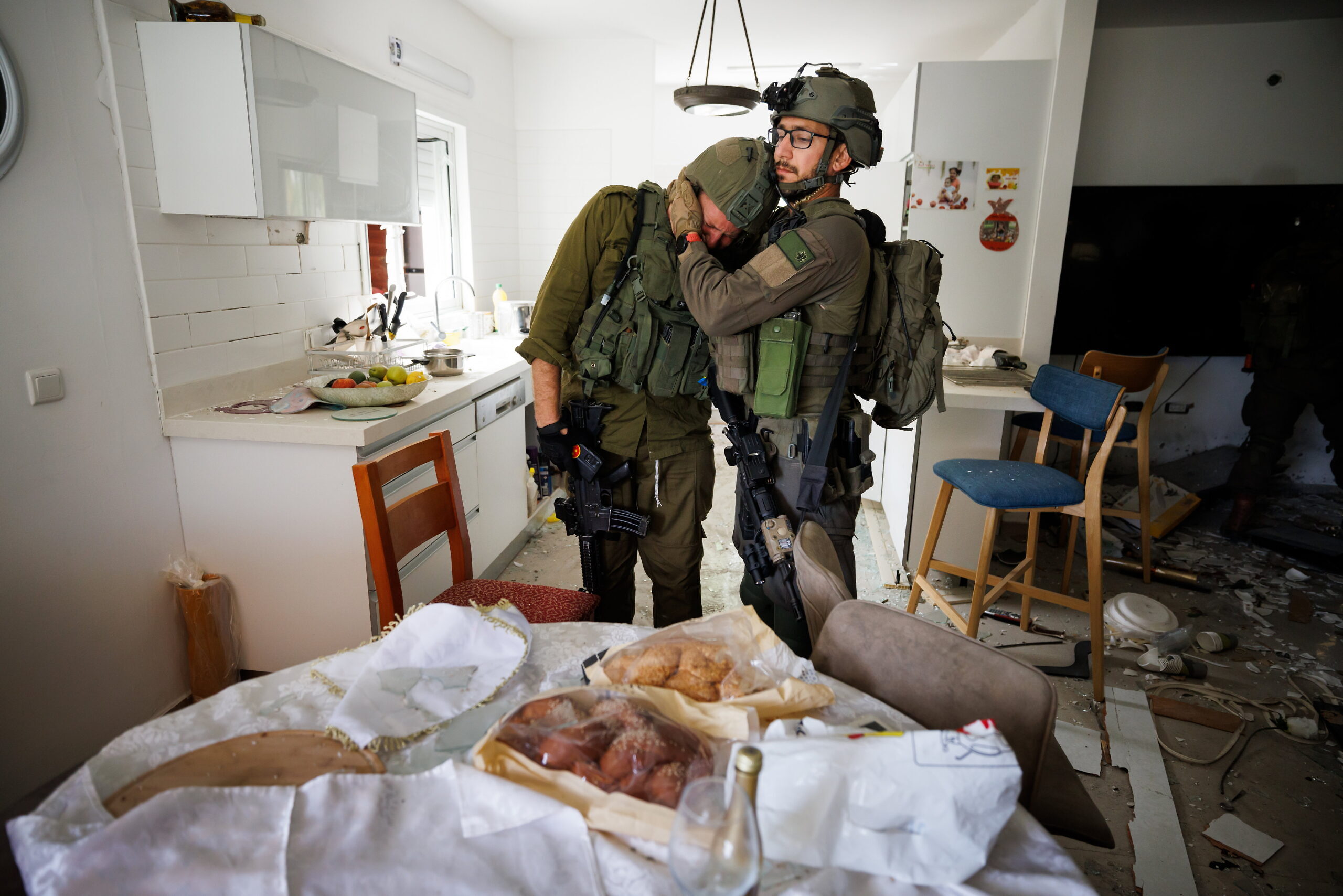
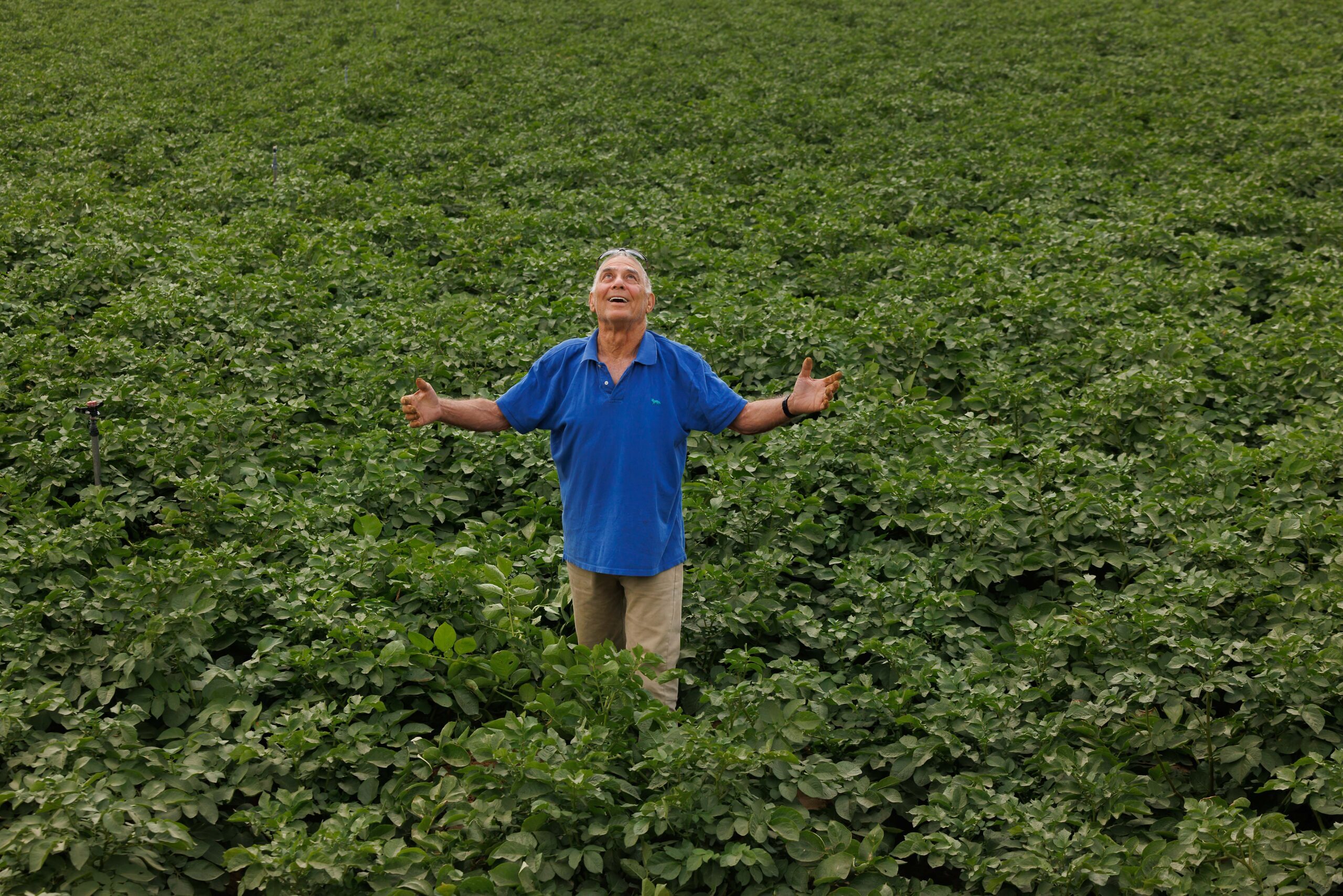
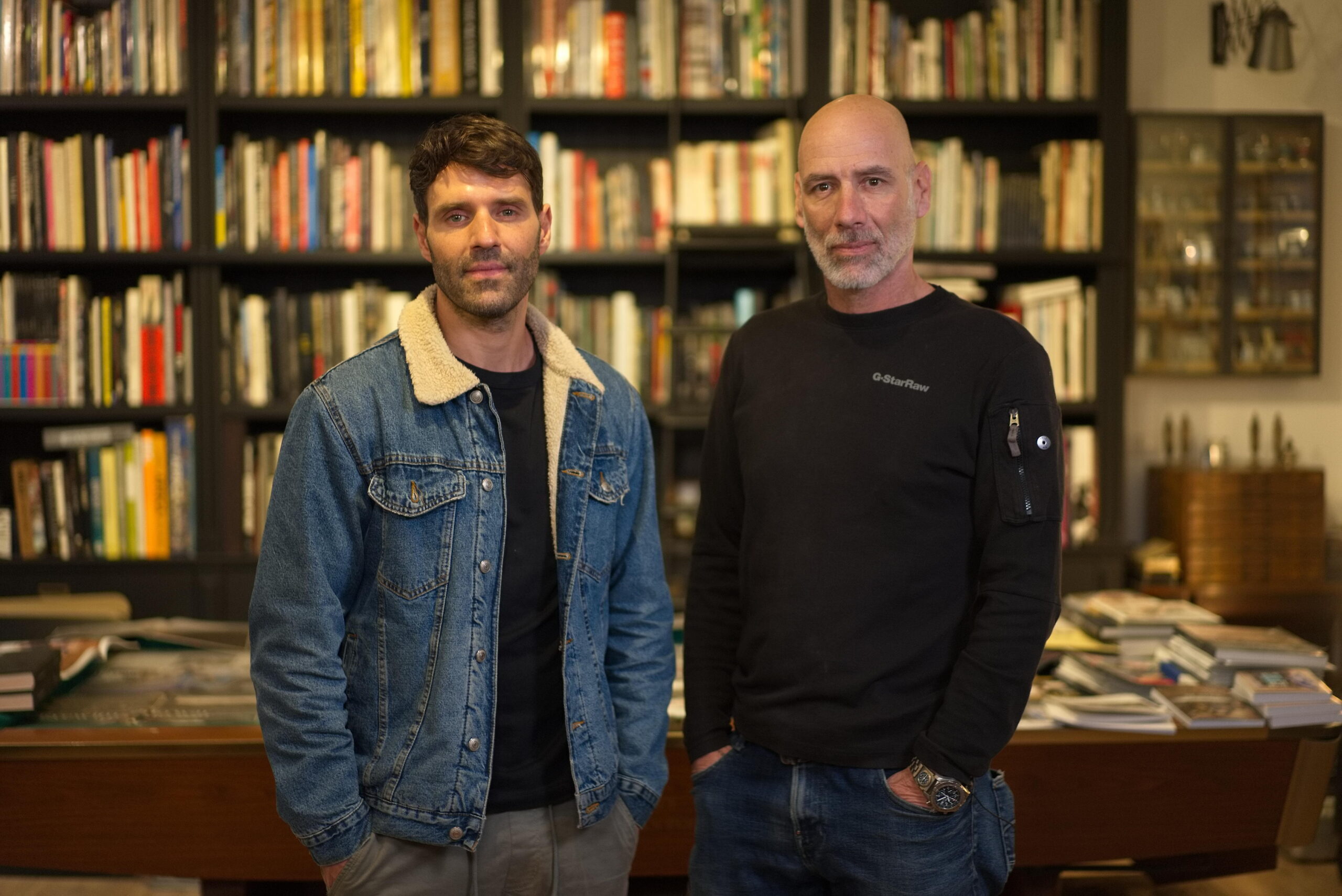
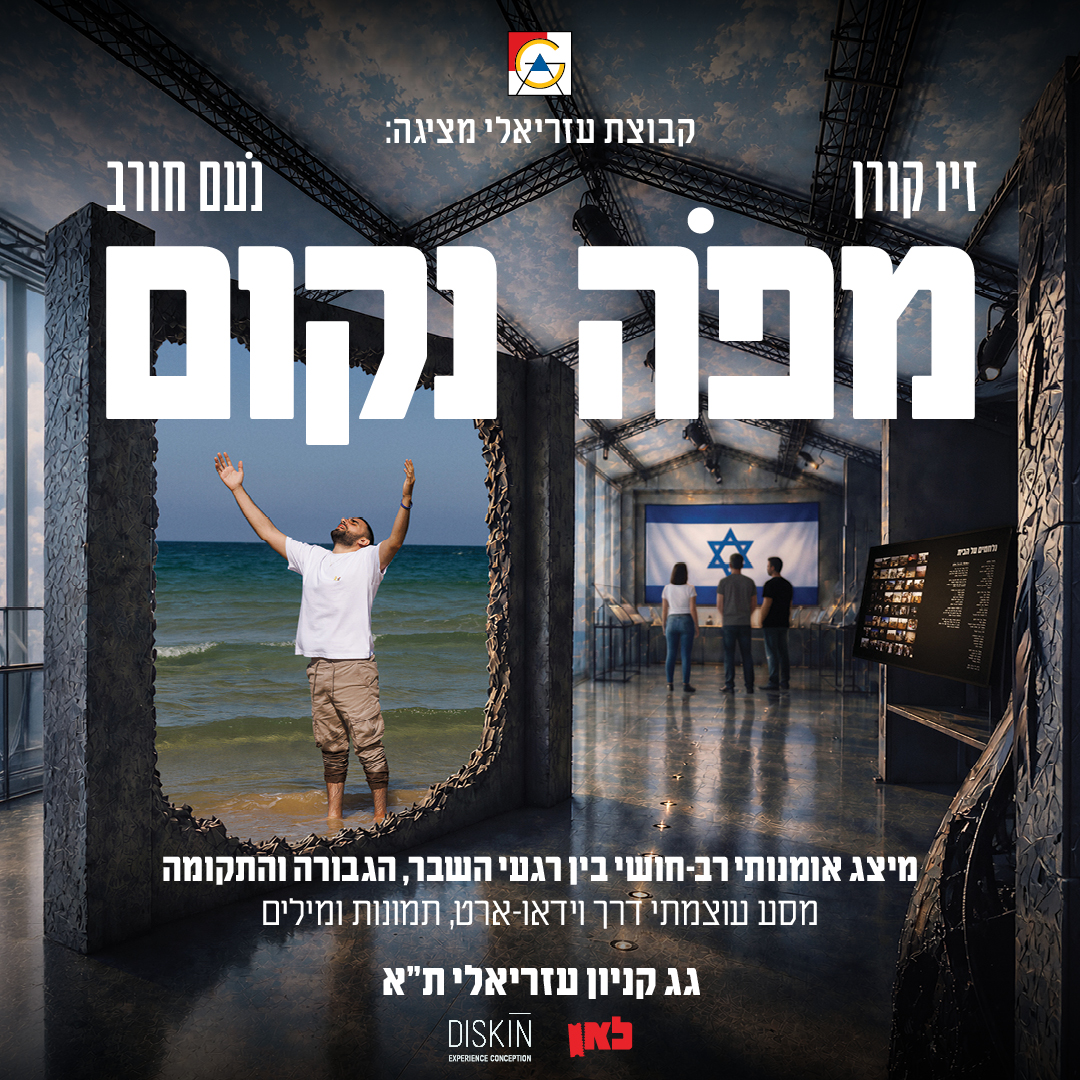
Israel’s renowned award-winning photojournalist Ziv Koren, together with acclaimed poet and songwriter Noam Horev, have conceived a new immersive, multimedia experience that weaves and captures powerful stories with unforgettable images, music, and words, entitled, “We Shall Rise.”

Through carefully crafted interplay, viewers are left with indelible and lasting emotions, at times overwhelmed by the memorable fusion of photography and storytelling from the events of Oct 7, 2023, until today.

Since Oct. 7, Koren has captured more than 750,000 images, but only a thousand images or less were used in the installation. He tells the story through the images of the past three years in an interactive exhibit that includes sound, video, pictures, and text — something that has never been done before in Israel or abroad.
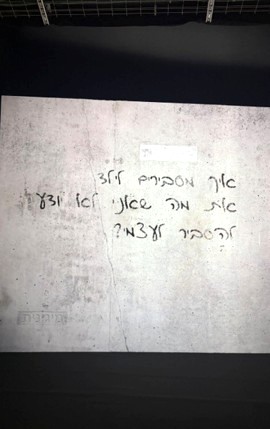
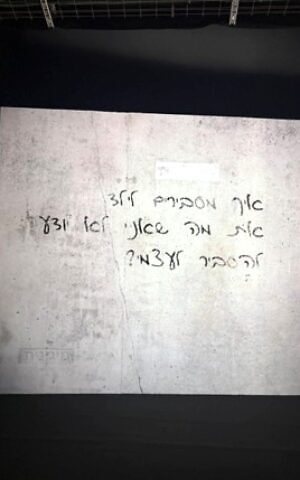
It’s important to note that Koren’s and Horev’s works were created separately, in their own artistic ways, to preserve the horrors we all witnessed on Oct. 7. Horev had already written all the text to reflect his feelings about his own personal journey. On Oct. 7, Haim Yaniv, Horev’s life partner, was called to the IDF Reserves. Left alone, Horev stayed behind without knowing all the facts and details of that horrific day. His writing was a shelter from all the chaos, fear, and agony that came with it. Afterward, he felt a responsibility to capture the mood and spirit of Israel. Horev’s words throughout the installation are presented in his own personal handwriting, accompanied by rhyming texts.
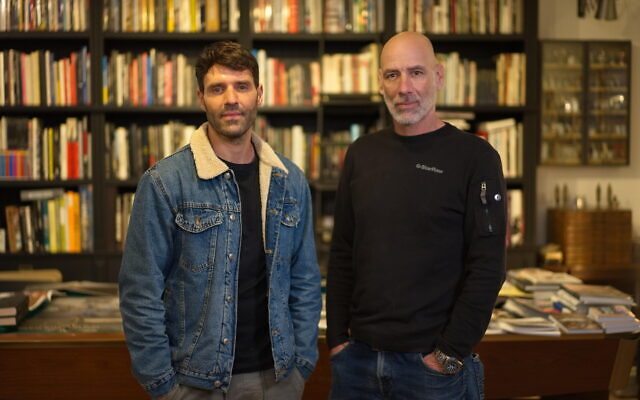
When Koren came across Horev’s work, he immediately saw something special. He knew that Horev’s writing, combined with his photos, had the potential to create something truly unique and powerful.
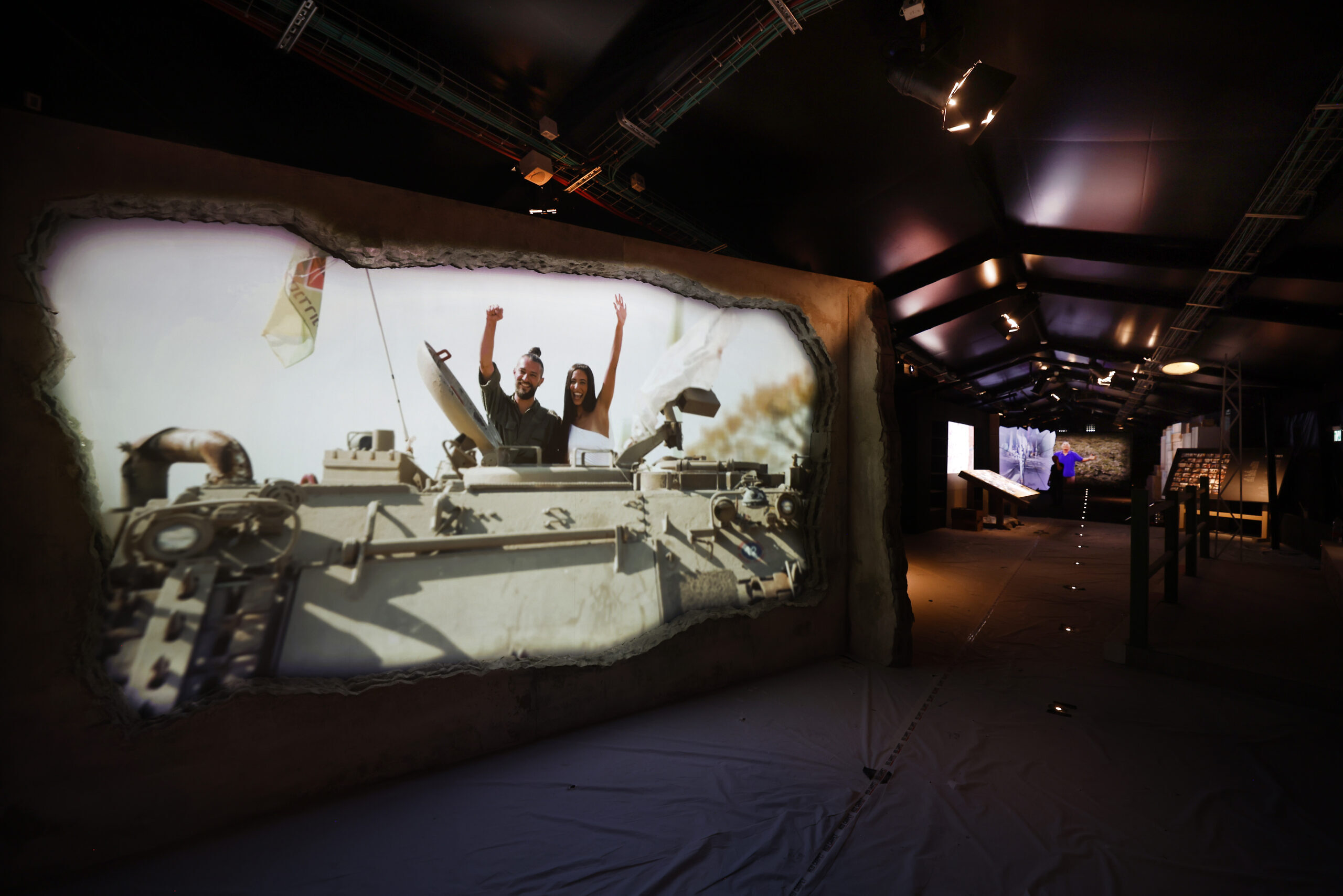
The exhibit consists of 10 installations, each one covering a different theme. The music was composed by Aviv Yani specifically for the exhibit, complete with video art. The project took over two years to complete and involved a team of multimedia specialists. The exhibit was made possible by the generosity and support of the Azrieli Foundation, led by their owner and CEO, Dana Azrieli.

Azrieli was deeply involved at every step of the way, donating — providing more than 4 million shekels — as well as the space on the roof of one of Azrieli’s shopping centers, the Azrieli Tel Aviv Mall. Dana also translated and narrated the headphone’s audio from Hebrew to English, trying to captivate Horev’s beautiful poetic text.
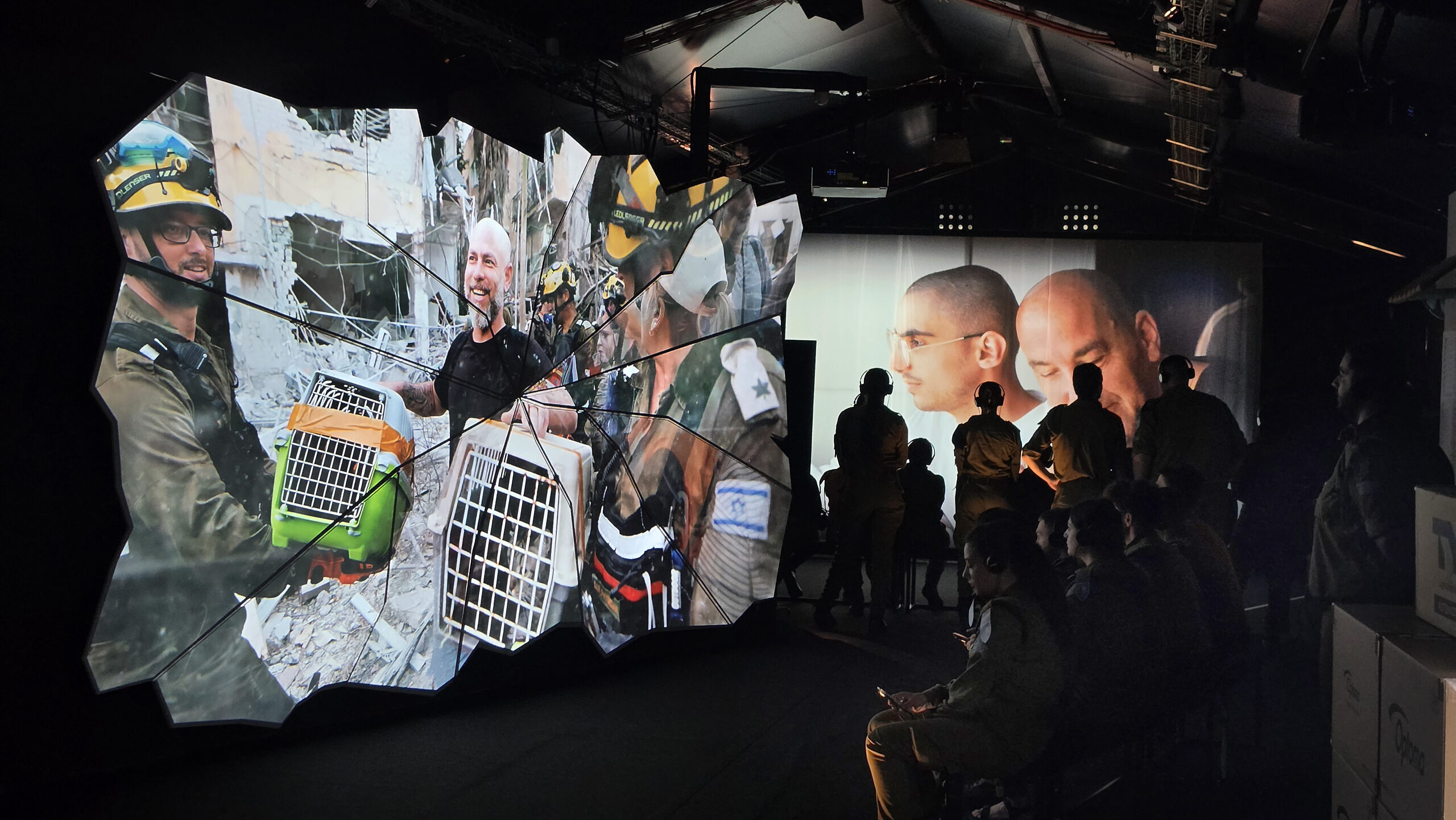
One of the installations is dedicated to Oct. 7, showing the destruction, burned-out cars, bodies on the road, the devastated Nova festival site, and the horrific results of that Black Saturday. Others highlight the bravery of soldiers and citizens heading south to help the victims, displaying Israel’s spirit and its selfless volunteers. Despite differing beliefs, everyone united for a greater cause in solidarity. Others focus on the hostages and the ongoing struggle to bring them home. Through raw imagery and evocative elements, it honors the captives and the enduring strength of the families fighting for their return.
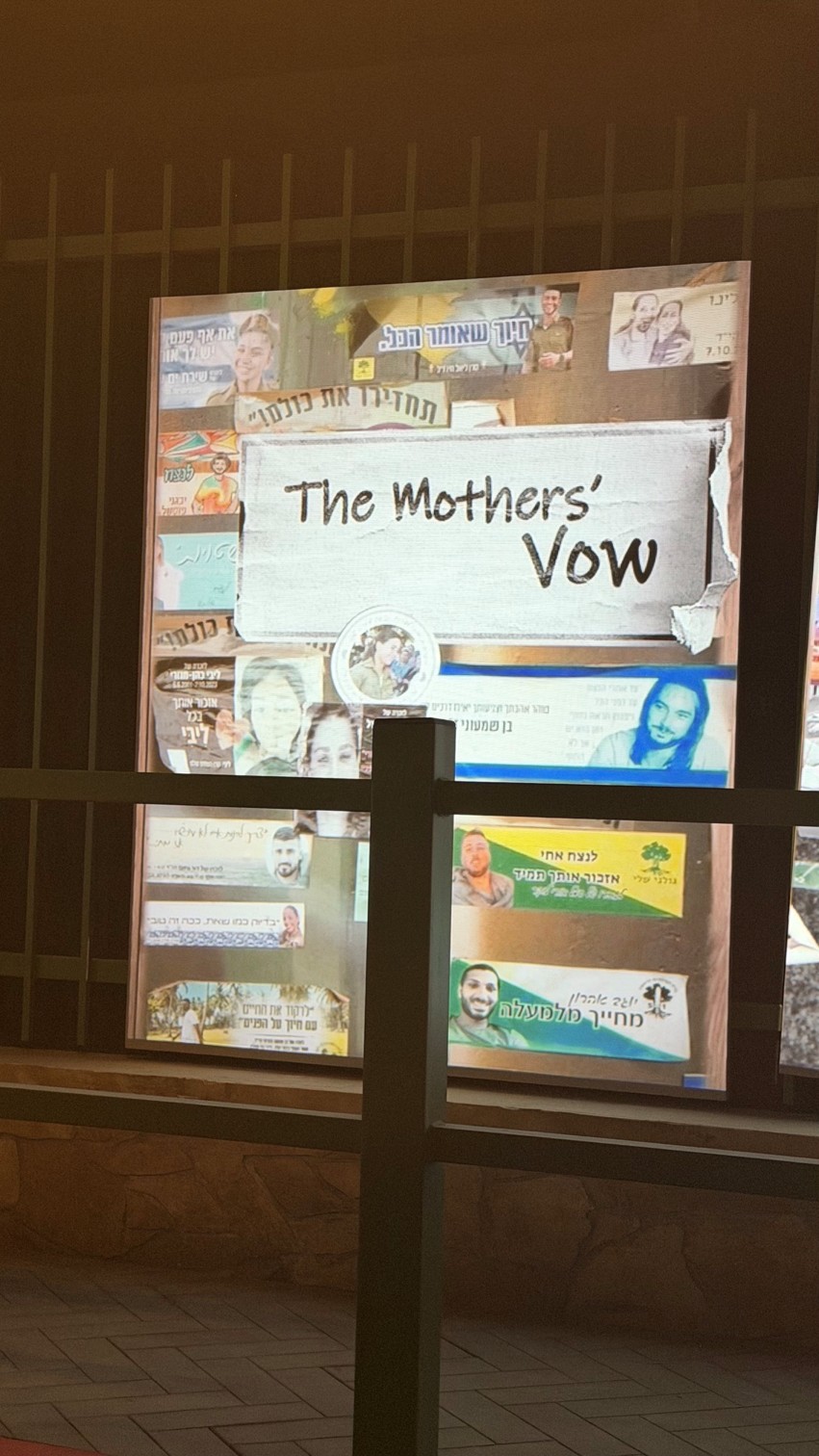
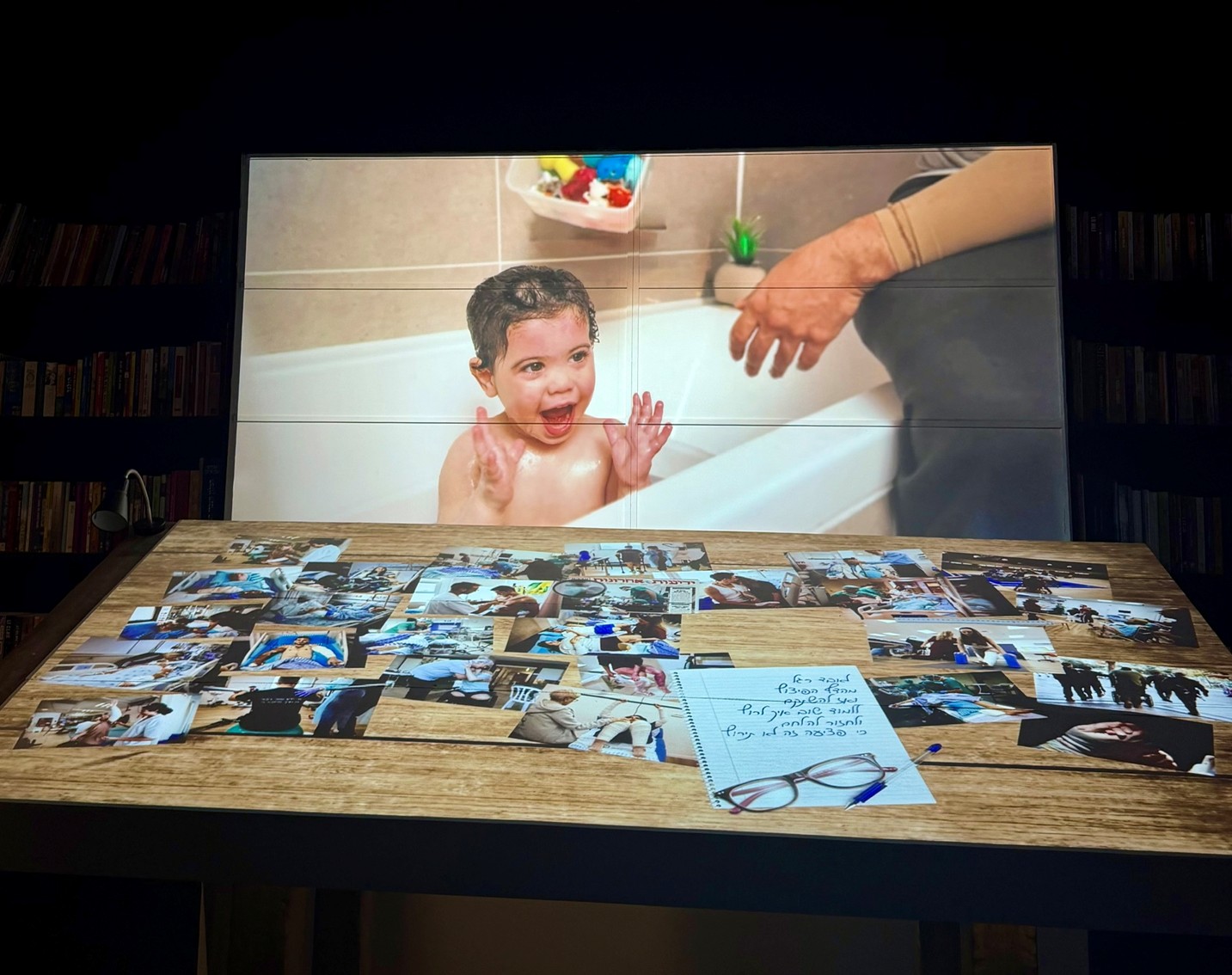
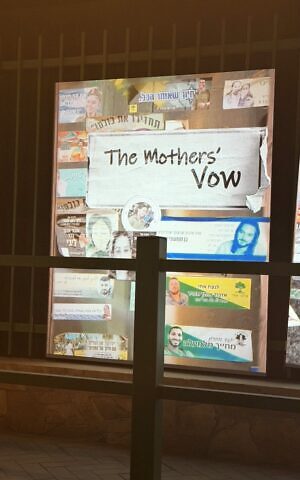
This AJT writer resonated most with the exhibit on motherhood — mothers in Israel whose children faced Oct. 7 and its aftermath. These mothers weren’t born fighters or lions ready to attack, but everyday these women were forced to protect their children with claws exposed.
Viewers will witness in the next installation the war, when Iran launched missiles, children had to learn to live, study, and survive under fire. Horev’s quote explained it perfectly, “If I can’t explain to myself, how can I explain to my child?” The installations are like a journey from Oct. 7 until today leading towards a rebuilding and a silver lining of hope. Their paramount mission is that this will be shown in other parts of the world and in different locations to educate people everywhere.
Many soldiers, students, and freed hostages have visited the exhibit multiple times, leaving with a sense of grief yet a strong hope for the future. Some, including former hostage Eli Sharabi, were overwhelmed to learn about the efforts to free him and the events that unfolded during captivity. Horev shared that Eli was a key inspiration for his texts of hope because, despite losing four family members, he chose life and hope.
There are no mentions of politics or placing blame, as Koren noted that the visual facts speak for themselves, leaving viewers to draw their own conclusions. Top Israeli leaders — including President Isaac Herzog, Naftali Bennett, Benny Gantz, Yair Lapid and Gadi Eisenkot — have all visited.
As viewers exit the exhibit, they see the rebuilding of the destroyed kibbutzim and homes in the Gaza envelope that were invaded by terrorists.
They literally see a light at the end of the tunnel, symbolizing hope and a brighter future for Israel.
The poet concludes with a final message of hope: “After everything is done, after the gray smoke dissipates, we will rebuild what remains.
comments