


Neranenah Announces Schedule for Upcoming Concerts
The Jewish music series has planned three unique presentations at three different venues for rest of year.
Neranenah, which has evolved into an impressive year-round showcase for Jewish music and talented Jewish musical performers in Atlanta, has scheduled three performances before year’s end.

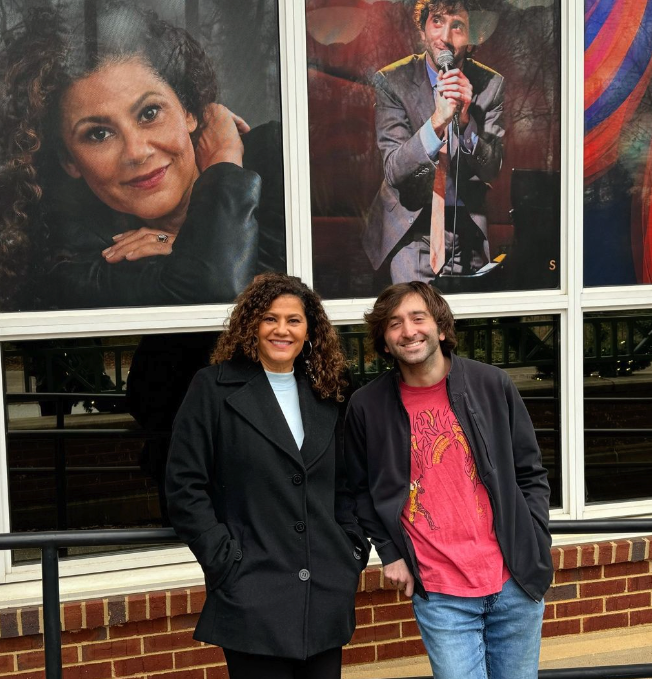
In the first of the three events, Neranenah’s artistic director and executive director, Joe Alterman, has put together a program that examines how Jewish performers and composers absorbed the influence of Black music over the last hundred years.
The program, which is titled, “When Rivers Meet: The Black and Jewish Origins of America’s Sound,” is scheduled for 4 p.m., Sunday, Aug. 30, in the Studio Theater of the Roswell Cultural Arts Center.
Atlanta vocalist Karla Harris joins Joe Alterman and his trio to discuss the often unlikely partnership that evolved when two of America’s most influential minority communities found one another in music.
“It’s basically a show that walks the audience through the history of the Black-Jewish relationship in American music with singer Karla Harris,” Alterman comments. “She’s not Jewish but she’s become passionate about the story of how these two peoples came together to create something great. It’s a message that needs to be heard more often these days.”
They’ll be performing and commenting about such standards as Jerome Kern’s, “Can’t Help Lovin’ That Man of Mine,” from his landmark musical in 1927, “Showboat.” It was said to be the first Broadway show that featured white and Black performers together on the same Broadway stage.

There will also be music that traces the journey of song writers from Tin Pan Alley to New York’s Brill Building and later as popular music was transformed by technology and social changes, like America’s Civil Rights Movement. They’ll touch on the contributions of such diverse performers as Chuck Berry, Aretha Franklin, Dionne Warwick, and Bob Dylan.
“There are no songs that we’re playing simply because we like how they sound,” Alterman said. “They all have some sort of story that will tie back into the overarching theme of how it shaped the Black-Jewish partnership and what it means to be an American.”
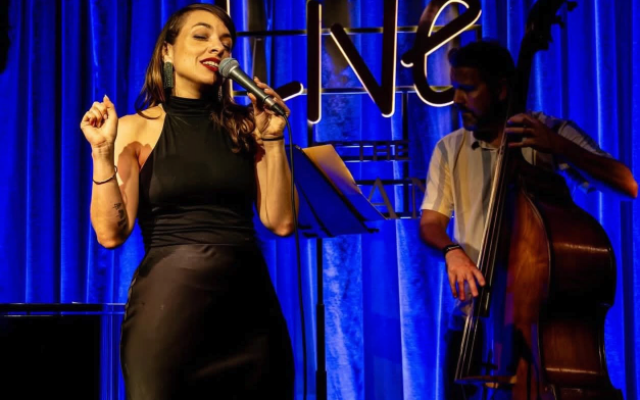
Less than a week later, on Thursday, Sept. 3, Alterman returns to the piano with his trio to accompany the Israeli-born vocalist, Naama Gheber, who now lives in New York City. She first began studying music seriously during her senior year of high school in Israel.
“I used my grandparent’s graduation gift to pay for lessons with the famous Israeli singer, Ricki Gal,” Gheber says. “It was such a big deal for me, a young girl from Be’er Shiva in the south, taking weekly trips to Tel Aviv to study with a master! I can recall the day she said, ‘You know, you should really be singing jazz.’”
For her evening of music at Decatur’s Eddie’s Attic, she’s put together selections from the Great American Songbook. She will be singing numbers by such greats as Rodgers and Hart, Cole Porter, Dorothy Fields, and Jimmy McHugh that highlight an elegant and urbane style that Alterman believes her Atlanta audience will find appealing.
For Naranenah’s final concert of 2026, they are bringing Texas-born singer and songwriter, Joe Buchanan, to The Weber School’s Tzadik Theater just before Chanukah on Dec. 3.
Buchanan, who became a Jew after learning about his wife’s Jewish heritage, has since created a unique body of work that blends his Texas country music roots with his Jewish faith. He has discussed his spiritual journey on the podcast series, “The Pulse: Moments That Matter,” which Neranenah’s Alterman hosted with Moment Magazine, an independent bi-monthly magazine, founded in New York City by the late Elie Weisel and Leonard Fein. His latest album, “Heaven and Earth,” explores his interest in bringing what he describes as Jewish joy to music.
Alterman has kept up a busy schedule of live performances around the country, and he was named Downbeat Magazine Critic’s Choice rising artist for 2026. In addition to writing a regular column about music and Jewish life for this newspaper, he’s also a consultant and producer for Resonance Records, which has released a series of live, historic jazz recordings by a long list of jazz greats. His weekly series about jazz for WABE, public radio in Atlanta, which he writes for and produces, has given him what he describes as some extraordinary opportunities.
“I interviewed Sonny Rollins, the great jazz tenor saxophonist in what turned out to be the last interview before he died earlier this year at the age of 96. The other day, I had a three-hour long conversation with the comedian and actor, Robert Klein. I just love getting to know these people. I’ve learned so much from them.”
comments