


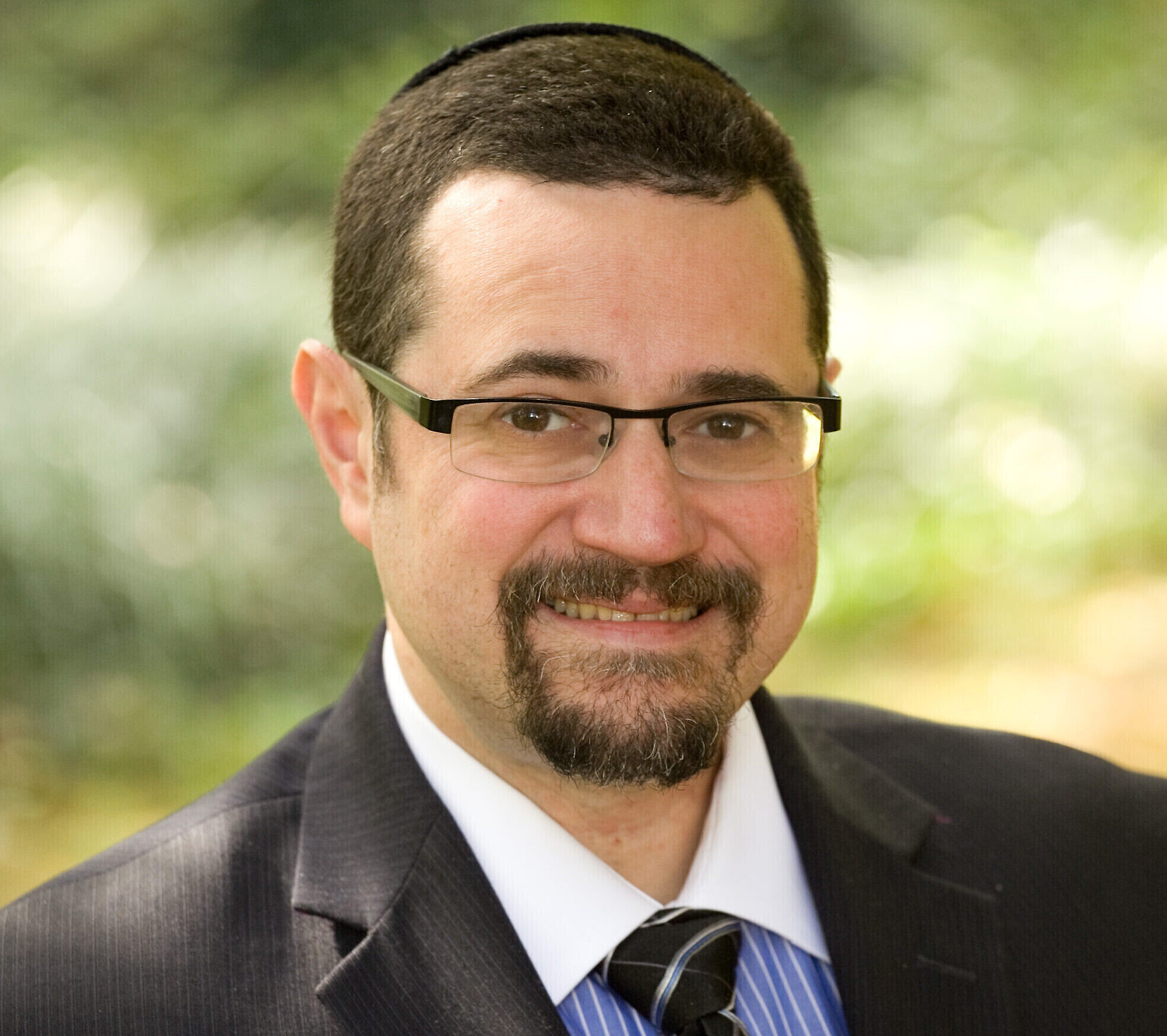
Rabbi Joshua Heller’s Chanukah Message for 2025
Rabbi Joshua Heller shares his thoughts and inspiration for Chanukah this year.
Rabbi Joshua Heller is the senior rabbi at Congregation B’nai Torah.
In American society, Hanukkah is often portrayed as a holiday of religious freedom and coexistence. Its observance is frequently blended into a generic, homogenized “winter holiday” season, where all religions mean more or less the same thing, or perhaps nothing at all.

However, the core theme of Hanukkah is actually the opposite, standing up and standing out. The Hellenist Greeks desired a world where Judaism was just like every other faith. e would have idols that stand in peaceful coexistence with those of every other belief, in a harmonious pantheon. Any distinctive observances of Judaism, starting with kosher, shabbat and circumcision, would be eroded away.
The Maccabees rose up in rebellion against that idea. They argued that Judaism was meant to be distinctive, and could not coexist with the paganism of its day. The sight of a menorah in the town square next to a Christmas tree would probably have led Judah and his brothers to raise their hackles, and their swords as well!
They wanted to protect their people not only from the coercive policies of Antiochus, but even from the temptations of the gymnasium. They were victorious, and established the Hasmonean dynasty, but within a few decades attitudes had changed to that of accommodation. Hasmoneans maintained faithfulness to Jewish practices and traditions, but took on Greek names, held elections in the Greek style, and adopted other aspects of Hellenistic culture. The new society spawned competing visions of Judaism, like the Pharisees, Sadducees and Essenes, living side by side.
In that sense the Maccabees were not so different from America’s earliest founders. The Puritans came to the New World fleeing persecution in England, and sought to create a society where there was freedom of religion, in the sense that there was freedom to worship in the Puritan way. Only the course of the next century did the idea emerge that different faith traditions could live in harmony (though to be fair that only extended as far as different flavors of Protestantism).
As we light our Hanukkah candles this year, we understand there is a natural desire to fit in, but there is a limit to how far we can stretch and still remain true to who we are. To the extent that the Maccabee vision allows for harmony, it comes not from homogeneity, but from an understanding that our identity, and our ability to relate to others, comes from our distinctiveness.

Rabbi Joshua Heller is the Senior Rabbi of Congregation B’nai Torah in Sandy Springs.
comments