



Is Not Dying an Option?
A Netflix documentary explores, or at least asks the question, how far could one go with their lifestyle to increase life span?
After 37 years with the Atlanta Journal-Constitution and now with the AJT, , Jaffe’s focus is lifestyle, art, dining, fashion, and community events with emphasis on Jewish movers and shakers.
This writer’s paternal grandfather used to say, “We have to do but two things in this life: die and pay taxes.”

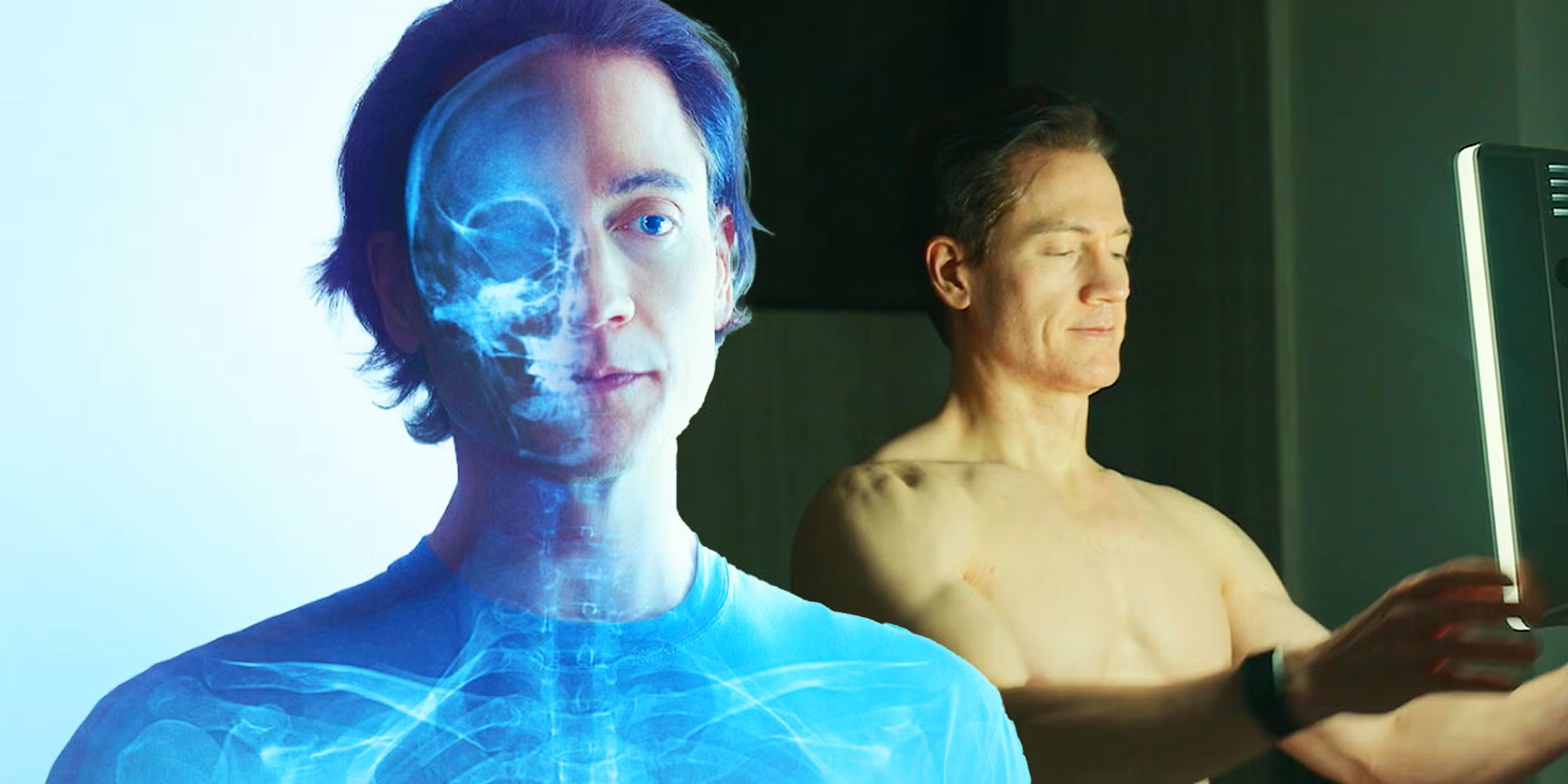
But not so fast. A new Netflix documentary, “Don’t Die: The Man Who Wants to Live Forever,” is a mindboggling examination of what we potentially can and cannot control in determining our lifespan. I have a physician friend who eats Popeye’s chicken and donuts and derides my healthy diet and lifestyle with, “What you are doing is buying six more months in a nursing home. Not worth the sacrifice.”
Just suppose one could live by some often-extreme activities that could reverse the speed of aging. Retired high tech entrepreneur Bryan Johnson sets out to do just that. His documentary, condensed to 88 minutes, follows him in his human experimentation in doing everything “just right,” far beyond the traditional work outs, vitamins, and statins.
After settling his millions from his interest in mobile payment platform Braintree, Johnson taps into his fortune at about $2 million annually to live in California and go 100 percent into the health journey. Note that he is considered a business genius in understanding credit/payments and not receiving any outside capital.

In the show, we see him rise at 4:30 a.m., synthesize natural sunlight, take pills and his temperature, do HRV therapy to stimulate his nervous system, wear a hat to stimulate hair growth, do a one hour work out, light therapy, and audio therapy to culminate in eating pounds of vegetables, finishing his last meal at 11 a.m., then taking 34 more pills. According to his (not exactly scientific) metrics, for every 12 months we humans age (his term, “speed of aging”), Johnson only ages eight months. Sound meshugana? John became a viral overnight sensation with teams of folks wearing black T-shirts in his movement, “Don’t Die.”
Johnson, born in 1977, was raised as a Mormon, and is married with a wife and three kids, whom he abandoned to head west to live this human experiment in a groovy, modern light-filled house with computers and equipment. Johnson reconciled with one son, Talmadge, who is featured in the show, as going “all in” on the lifestyle for a father-son visit. They also exchange blood plasma as part of the health plan. Is Bryan an Adonis? His physique is certainly trim and buff, but his fake hair dye does not contrast well with his scary sallow complexion. Just this writer’s opinion.

Not suggesting anyone do this, as he was under a doctor’s care, but Johnson takes an experimental drug – Rapamycin — used to suppress immune systems before transplants. Well, it had been tried on mice. The risk is in potentially developing infections. Also on the outer edge, Johnson goes to Honduras for a particular type of gene therapy, Mini Circle, that does not integrate into the DNA, but purports to changing muscle mass.
So, what is the takeaway? Doctors from Singapore to Harvard were studying his data. The message is that it’s not real science in that he’s doing so many different things; there are no control groups set to see what works vs. what doesn’t. A stronger scientific suggestion was that he should expend his substantial resources on true research samples of multiple people, some given blind systems or even placebos, tracking who gets what, and what works on whom.
One physician commented, “This whole experiment is worthless.” The riveting denouement unfolds in perspective, when a Gen-Xer states, “In past generations, no one believed that antibiotics could cure infections from which thousands died. Or even the promise of anesthesia before its creation and its effect on medicine. My generation will look at you and say, ‘How foolish you were to JUST die and accept it, versus treating all the organs with these new remedies.’”
Johnson said, “After all, I don’t listen to my brain, I listen to my organs.”
Bottom line: The show is fascinating and poses some good questions about the nature of our body’s’ systems. As we bite into a deep dish pizza and skip exercising, is it worth it?
comments