



Jewish Fertility Foundation Gets $3M From Marcus Foundation
Grant from the Marcus Foundation is for the next three years.
The Atlanta-based Jewish Fertility Foundation (JFF) has received a $3 million grant from the Marcus Foundation. The grant, which is the largest single gift the organization has received, will be spread over the next three years.

It will also qualify them to receive an additional grant of $300,000 from another foundation to expand the organization’s work nationally. The announcement of the new funding initiative was made at JFF’s recent annual meeting.
In addition to the new grant, the organization is initiating a program for prospective parents in Atlanta and in South Florida who are working with pregnancy surrogates.
Elana Frank, who founded the organization after experiencing fertility treatments in the birth of her own children, and serves as CEO, described the series of $20,000 surrogacy grants as an important step forward.
“We recognize $20,000 is not everything, but our hope is that together with this additional support and wrap-around discounts, it’s going to feel like a big hug from the Jewish community at one of the most important moments in our life. This is a big, big moment for our organization.”
JFF has experienced rapid growth since 2019 when it established its first office outside Atlanta. The organization now operates in 10 cities around the country, with another 16 cities on the drawing board. Included in that expansion are four locations in California and several in the New York and New England area. By 2030, they expect to serve 10,000 new clients and raise more than $18 million to fund that growth.

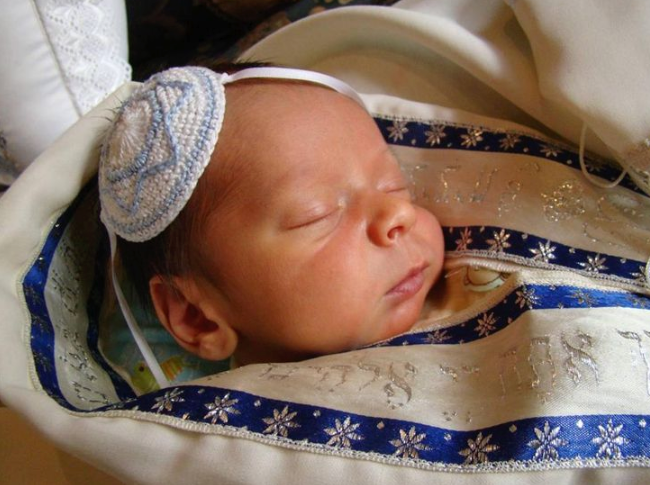
Last year, JFF helped in the birth of 101 babies and provided more than $500,000 to fund individual fertility treatments.
Among those was Judith Rapport, who, with her husband, Aaron, received grants that resulted in the birth of their son, Alvin. She is now pregnant again. Rapport expressed her gratitude at the annual meeting for the IVF treatment provided with the help of the foundation.
“We found through this process that IVF was not just a medical procedure. It was an emotional journey filled with hope and grief and a lot of uncertainty; but it was thanks to the support of Jewish Fertility Foundation, we were able to keep going. Your support didn’t just help fund treatment for us. It gave us hope.”
The foundation’s work, in particular IVF and surrogacy, have become hot-button political issues.
In 2024, the Alabama Supreme Court decided that embryos that are often a part of fertility treatments are “persons,” and have the same legal rights as human children. While the ruling did not include IVF specifically, the practical effect was to expose all those who provide fertility services using embryos to possible legal action.
The immediate result was the shuttering of fertility clinics at the University of Alabama-Birmingham hospital and a number of other fertility clinics in the state. In July 2025, the Trump Administration’s “Big Beautiful” financial legislation blocked funding by Medicaid for organizations providing tax exempt reproductive services if they provide abortions and received more than $800,000 in Medicaid funding during fiscal year 2023. In addition to clinics closing, an exodus of obstetricians and gynecologists has been reported, particularly in the south.
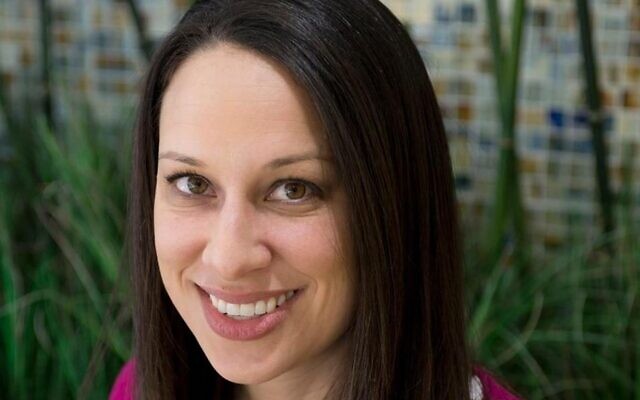
The organization’s experience over the last several years has been an important impetus for its growth, according to Joey Hurd, JFF board chair.
“JFF has been intentionally building and refining a scalable model since 2018, learning what it takes to replicate our work beyond Atlanta and be able to reach more people across the country,” Hurd said. “In 2019, Cincinnati was actually our first expansion site, making our transition from a single market organization to a multi-community model. It helped us test the assumptions around staffing, volunteer leadership, community buy in, fundraising capacity, and what should really live locally vs. nationally.”
Near the top of the priorities for expansion is Los Angeles and San Diego in southern California. Working with the Jewish Federation of Los Angeles, JFF is said to have raised significant capital to start an office there and has recently installed a new West Coast Development manager.
One of those participating in the annual meeting was San Diego Rabbi Yael Ridberg, who has had personal experience with fertility issues. Her words of support at the annual meeting underlined the importance of JFF’s work.
“We can all be the messengers of hope, strength, courage, support, and care, that can encircle and embrace families who dream of building their own family and remind them that their longing need not be done alone.”
- Bob Bahr
- Health and Wellness
- Jewish Fertility Foundation (JFF)
- Marcus Foundation
- surrogacy
- Elana Frank
- California
- New York
- New England
- Judith Rapport
- Aaron Rapport
- Alvin Rapport
- IVF
- Alabama Supreme Court
- University of Alabama-Birmingham
- the "Big Beautiful Bill"
- Medicaid
- Joey Hurd
- Cincinnati
- Rabbi Yael Ridberg
comments