


Okefenokee Named UNESCO World Heritage Site
It is already listed as one of Georgia’s seven natural wonders.
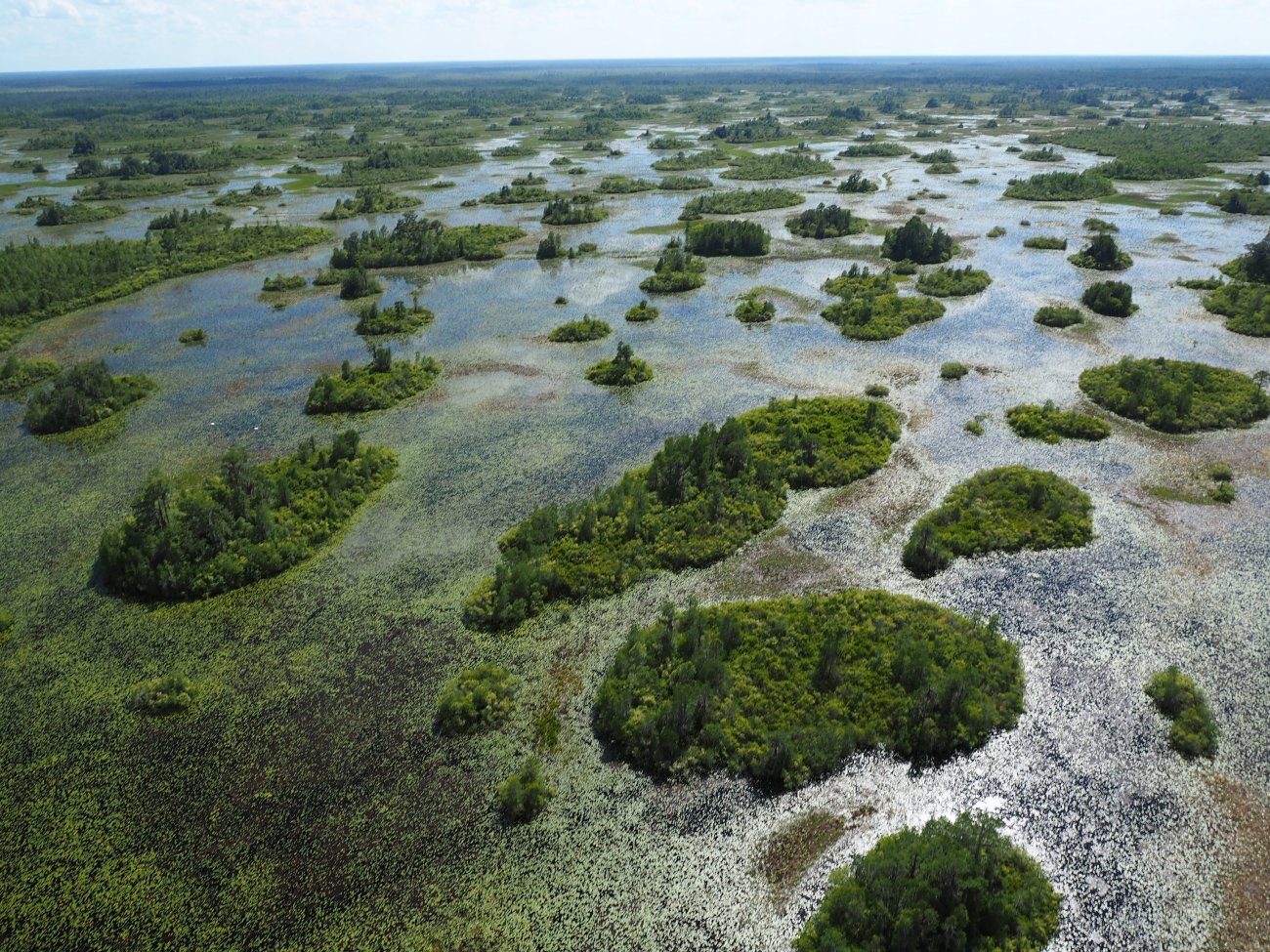
On July 25, the Okefenokee National Wildlife Refuge was named to the UNESCO World Heritage Sites list during the World Heritage Committee’s annual meeting in Busan, South Korea. It is the first-ever site from Georgia to make the list, and the 27th from the United States. The Okefenokee joins a list that also includes Yellowstone National Park, Grand Canyon, Yosemite National Park, the Everglades, and Great Smoky Mountains. For a place that has long been regarded simply as a regional swamp, it’s a big deal to have international recognition.

It is already listed as one of Georgia’s seven natural wonders.
It qualified for recognition under UNESCO natural criteria IX and X. Criterion IX recognizes exceptional examples of continuing ecological and biological processes, while Criterion X recognizes exceptionally important habitats for conserving biodiversity and threatened species.
The Okefenokee had been discussed as a potential World Heritage property for decades. It was placed on the U.S. tentative list in 2008, and the Department of the Interior formally announced the U.S. nomination in December 2024. After international review, the World Heritage Committee finally approved the inscription in July 2026.
The Okefenokee National Wildlife Refuge is located on the Georgia/Florida border, and about one hour away from the Georgia coast. Established in 1937, the refuge is 407,000 acres (out of a total 438,000) and protects about 92 percent of the geographical area of the Okefenokee Swamp. The Okefenokee Swamp serves as the headwaters of two major rivers: the St. Mary’s River, which reaches the Atlantic Ocean, and Suwannee River, which reaches the Gulf of Mexico.
UNESCO describes the Okefenokee as the “largest lowland freshwater peatland in the world’s subtropical zone” and as one of the largest and most intact ecosystems remaining within the North American Coastal Plain.

As the largest blackwater swamp in North America, it is an interconnected system of nature and wildlife, including wetlands, various species of plants, birds, reptiles, and amphibians, and is also home to several black bears and about 15,000 alligators.
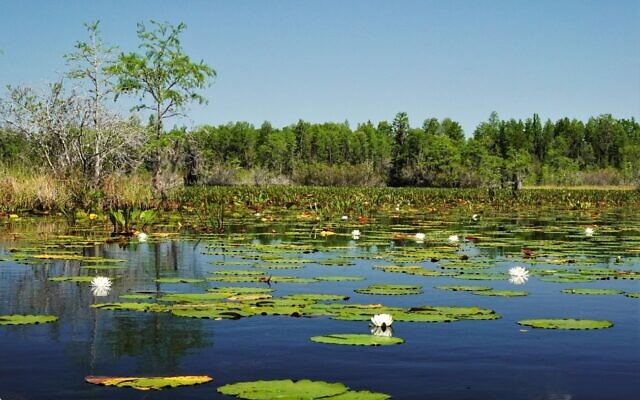
Underneath much of the Okefenokee are enormous peat deposits created by thousands of years of partially decomposed vegetation. Those peat layers store carbon and preserve a kind of environmental record of past conditions. The U.S. Department of the Interior says undisturbed Okefenokee peat contains information covering roughly the past 5,000 years, making the swamp valuable not just for wildlife but for studying environmental and climatic change.
UNESCO lists at least 856 plant species, 48 mammal species, 238 bird species, 39 fish species, and 90 reptile and amphibian species within the World Heritage property. The refuge also supports threatened species including red-cockaded woodpeckers, wood storks, and eastern indigo snakes.
The recognition of the Okefenokee swamp comes amid a growing advancement for the Ocmulgee Mounds to be redesignated from a national historic park to Georgia’s first national park. The Ocmulgee Mounds are located in Macon and feature 12,000 years of continuous indigenous history, including massive ceremonial earth mounds built by the Mississippian culture.
- Perri Schwartz
- Okefenokee National Wildlife Refuge
- UNESCO World Heritage Sites
- World Heritage Committee
- Busan
- South Korea
- Yellowstone National Park
- Grand Canyon
- Yosemite National Park
- the Everglades
- Great Smoky Mountains
- Department of the Interior
- the Okefenokee Swamp
- St. Mary’s River
- Atlantic Ocean
- Suwannee River
- Gulf of Mexico
- North American Coastal Plain
- The Ocmulgee Mounds
- Macon
comments