



World Aphasia Shabbat Raises Awareness
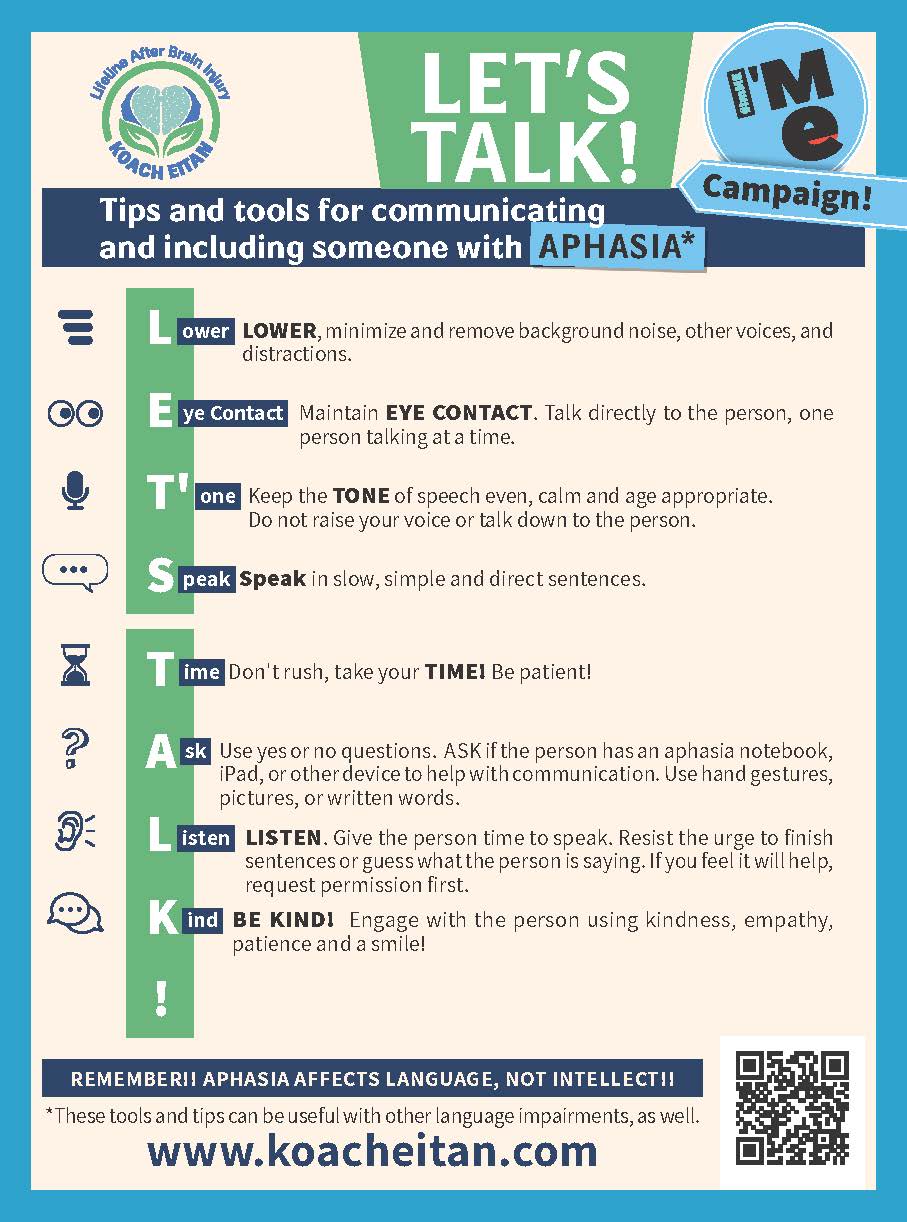
The communication disorder is typically caused by a brain injury and can affect speech, reading, writing, and comprehension.
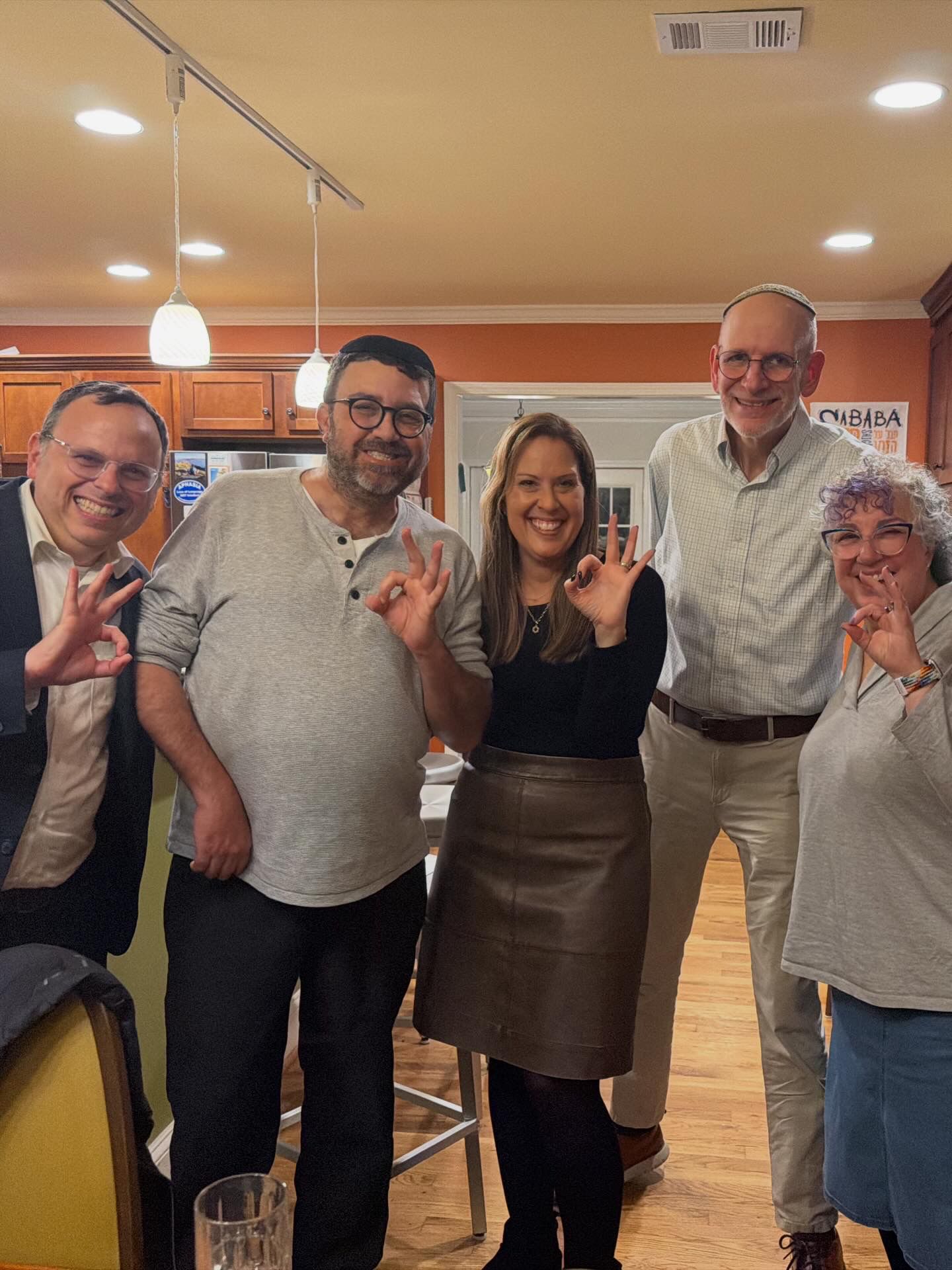
At the beginning of the year, a special event was held at Ohr Hatorah and dozens of other synagogues across the world. World Aphasia Shabbat, a day dedicated to people in the Jewish community with aphasia, helps inform people about the communication disorder, typically caused by a brain injury that can affect speech, reading, writing, and comprehension.

“We didn’t know what aphasia was, we didn’t know a lot of anything at the time,” said Leora Ashman, co-founder of Koach Eitan, an Israel-based charity dedicated to assisting those with aphasia and their families. “We basically had to learn it by living it.”
The organization is named after her husband, Eitan, who had a stroke at the age of 42 and was diagnosed with aphasia. Eitan, who has a specific form called Broca’s aphasia, has unique difficulties with speech.
“He has words, but he can’t always get those words out,” said Ashman. “At the beginning, he had one word, which was ‘savta,’ his mom, and that word was everything. Everything he wanted to say came out as ‘savta.’”
The biggest difficulty, however, came after returning from the hospital, and into a world where no one knew how to interact with Eitan.
“When you can’t express, or even you say things that are funny, some people may view you as … not competent,” said Ashman. “But aphasia does not affect intellect.”

“When we came home, we had to then teach our community about aphasia because nobody knew what it was,” said Ashman, who discussed beginning Koach Eitan originally as a Facebook page. “I would explain more about what Eitan has, about aphasia, about stroke, and one thing led to another when then people would start reaching out to me.”
Shortly after the organization’s more formal founding in 2022, Atlantan Jeff Weener got in touch with her, and asked if they could teach his community about stroke and aphasia. Weener had himself been diagnosed with aphasia after a stroke during the COVID pandemic.
“I had nine words, basically,” said Weener. “I physically could understand where I was but I couldn’t have the ability to talk about it.”
“That’s aphasia. Everything’s in there, but it’s challenging to retrieve and to articulate words,” said Rabbi Adam Starr, the rabbi of congregation Ohr Hatorah, where Weener is an active member.
Weener and Rabbi Starr were deeply involved in the first World Aphasia Shabbat over three years ago, originally held in June to coincide with Aphasia Awareness Month.
“We had about 20 shuls, 25 shuls the first year – shuls in Israel and abroad,” said Ashman. “We would send them materials, even got a D’var Torah for the rabbi to say that was connected to the parasha.”
Since then, the amount of participating shuls has grown to more than 40, and the date has been moved to coincide with Parshat Shemot, which mentions Moshe’s speech difficulties.
“Our greatest leader in Jewish history, Moshe Rabbeinu, one of the first things we hear about him – the Torah uses different language to refer to it – but it’s his difficulty of speech,” said Rabbi Starr. “One of the terms is k’vad peh – a heaviness of the lips. There were multiple interpretations about what this was – was this a lisp, was this lack of confidence, or was this something more similar to aphasia, a challenge of articulating what was inside and having those words expressed clearly?”
This was also the first year that Eitan Ashman was cleared to travel by plane since his stroke, coming to the United States to visit his hometown in Boston, and of course, visit Ohr Hatorah for World Aphasia Shabbat.
“It felt like the fulfillment of a dream […] to see him here and introduce him to our community, and to see Jeff and Eitan interact,” said Rabbi Starr. “Saturday night after Shabbat, they were up talking to each other until one in the morning – in ways that they can understand each other like no one else.”
Still, there’s more work to be done. Ashman noted hearing people who had known Weener for years still surprised at so many aspects of Aphasia.
“We need the leaders to know, we need our people to know what these people are going through,” said Ashman. “We need them to know that just because they came back from the hospital, it doesn’t mean that they’re fine. It means that that family needs support. They need encouragement, they need connection.”
“I think it’s a constant learning process,” said Rabbi Starr. “I think we’re all growing in this regard to better understand and communicate and respect how to make Jeff and people like him feel most welcome.”
comments