



Applying the Wisdom of Mussar to Address Addiction
JF&CS and The Temple hosted a special event on Oct. 28 to celebrate a new book on recovery from a pair of Atlantans.
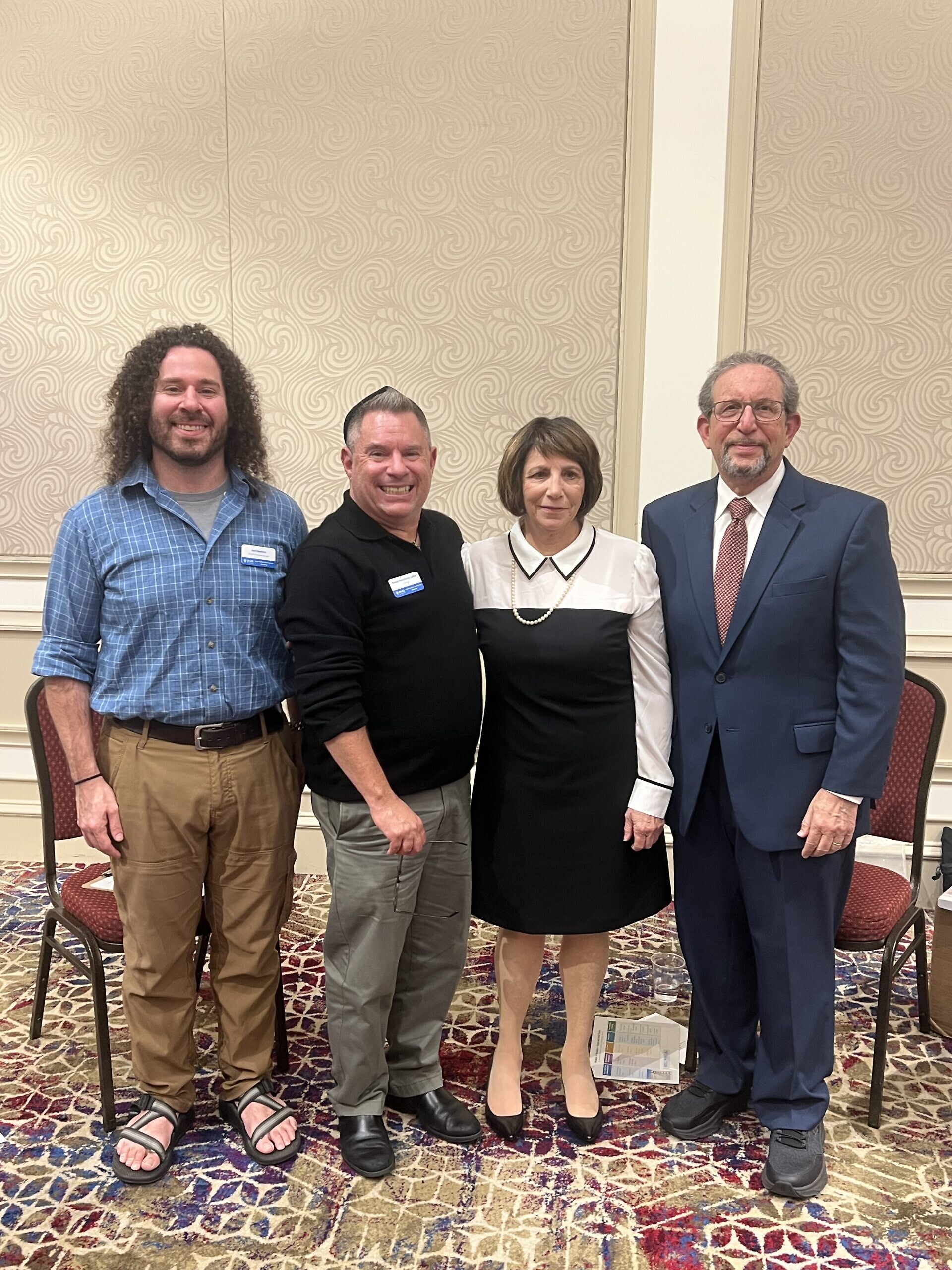
Jewish Family & Career Services of Atlanta (JF&CS) and The Temple recently joined forces to wed the enduring Jewish wisdom of Mussar with the challenging work of recovery and becoming one’s best self.

The organizations co-hosted a special event Oct. 28 to celebrate the publication of “Mussar in Recovery: A Jewish Spiritual Path to Serenity & Joy,” a new book by two Atlantans, Hannah L. with Rabbi Harvey Winokur. The book deftly synthesizes the Twelve Steps with the centuries-old Jewish wisdom of Mussar, which focuses on lived values and spiritual growth, and which is today practiced by Jews of all backgrounds.
The gathering was a moment of awareness and inspiration, illuminating both the profound impact of addiction within the Jewish community and the promise of Mussar as a spiritual path to healing, wholeness, and recovery. The well-attended event also sought to dispel the stigma that surrounds addiction in the Jewish community as well as provide hope to all those touched by addiction.
In addition, beginning in January 2026, The Temple and JF&CS will further amplify the book’s teachings through va’ads, small groups of participants who will journey together along a Mussar-inspired path of reflection and renewal. These groups will explore teachings on spiritual development, personal growth, and ethical behavior as they move toward healing, recovery, serenity and joy.
Emotional Heart of the Book
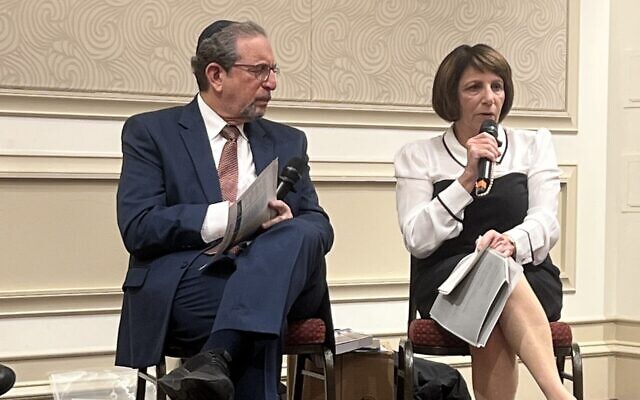
Hannah L., who has 22 years in recovery and a decade of Mussar study, shared her story of loving addicts, her own addiction, and her recovery journey, which forms the emotional heart of the book.
“Addiction starts with the use of something outside of you to make yourself feel better,” Hannah L. said, offering the examples of substances, food, gambling, work, technology, or control of others. “And the more of it you get, the more of it you need. You chase it and you become trapped in ‘never-ending seeking.’”

When Hannah L. first sought help from her community (not Atlanta) with addiction-related challenges such as physical illness and emotional and financial distress, she encountered judgment, rejection, and shame. When she turned to her rabbi and synagogue for help, she was told that because she was behind on her dues, assistance was not available.
“I was met with a brick wall,” she said of that time.
Finding Mussar
Hannah encountered Rabbi Winokur and Mussar when she was leading an advisory committee for the JF&CS HAMSA program. Rabbi Winokur, who began his rabbinic journey at The Temple and later served for 36 years at Temple Kehillat Chaim, was himself exploring Mussar for his community. Now retired and Rabbi Emeritus, he is active as a facilitator of Mussar learning and practice with students across the U.S.
As Hannah L. became more steeped in Mussar, she discovered a “doorway” to self-refinement and a changed future in the book, “Everyday Holiness, The Jewish Spiritual Path of Mussar,” by Alan Morinis. “I couldn’t put it down,” she said. “It felt like I was reading all about myself and sensed that there might be hope.”
She soon realized that the structure of Mussar practice mirrored the 12-step recovery model and Mussar wisdom informed step work. Combining these, eventually she found self-acceptance and a revitalized love of Judaism, and she offers her personal insights in her new book, which complements traditional recovery programs. The book brings a Jewish voice to recovery and provides supportive daily practices such as reminders, intentions, and personal reflections.
Persistent Misconception of Addiction
The authors were joined at the event by Joel Dworkin, Helping Atlantans Manage Substance Abuse (HAMSA) program manager at JF&CS, Danny Hirschhorn, JF&CS clinician, and Rabbi Loren Lapidus, senior associate rabbi at The Temple.
Hirschhorn, who moderated the discussion, said that one of the most persistent misconceptions about addiction is that it does not affect the Jewish community.
“There are people in our community who are directly and indirectly impacted by addiction who are currently struggling and in crisis,” he said. He added that the book event represents the start of a connection between “Mussar in Recovery” and JF&CS “in terms of support and assistance for these individuals and their families.”
With va’ads starting in January, he said he anticipates the transformation that can occur when the wisdom of Mussar is applied to the present day.
To learn more about va’ads, contact Joel Dworkin, HAMSA program manager, at jdworkin@jfcsatl.org.
comments